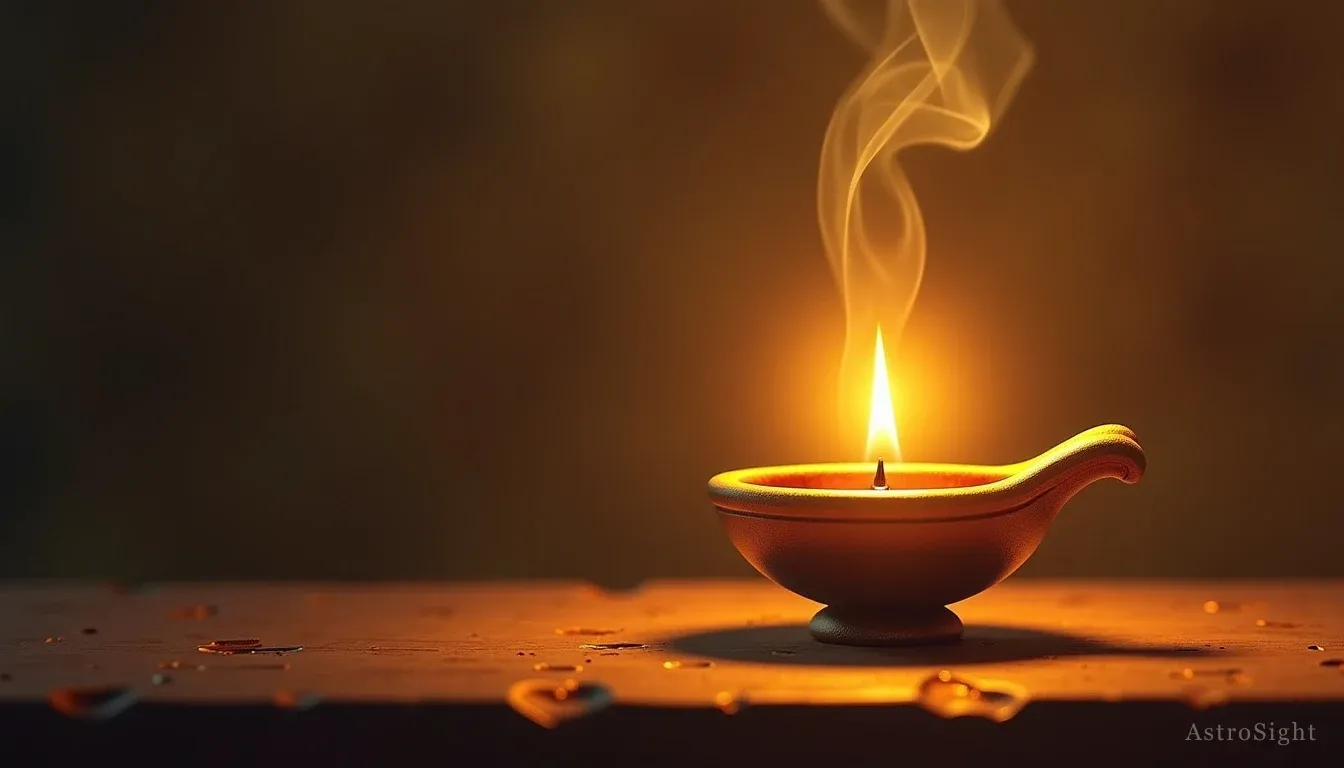
Nirjala Ekadashi 2026: Date, Vrat Katha & Benefits
Nirjala Ekadashi 2026 falls on June 25, 2026 (Jyeshtha Shukla Ekadashi). It is the most severe Ekadashi fast — Nirjala means "without water" — and the Mahabharata (specifically the Vishnu Parva) identifies it as the single Ekadashi whose merit equals observing all 24 Ekadashis combined across the ye
Nirjala Ekadashi 2026 falls on June 25, 2026 (Jyeshtha Shukla Ekadashi). It is the most severe Ekadashi fast — Nirjala means "without water" — and the Mahabharata (specifically the Vishnu Parva) identifies it as the single Ekadashi whose merit equals observing all 24 Ekadashis combined across the year. A person who cannot fast on all Ekadashis due to health, work, or circumstance can observe only Nirjala Ekadashi and attain the complete Ekadashi merit for the year. The Padma Purana states: "There is no more powerful fast in all of the Vedic tradition than this one waterless Ekadashi."
Reviewed by Dr. Meenakshi Sharma, M.A. Sanskrit & Vedic Studies, Varanasi — as of May 2026.
Nirjala Ekadashi falls in Jyeshtha (May-June) — the hottest month of the North Indian summer. A 24-hour waterless fast during this month represents the most demanding physical austerity in the annual Vedic calendar. This combination of devotional merit and physical severity explains why the Padma Purana grants it supreme status. Check your Sun and Moon positions — the signs indicate which aspects of this Ekadashi's energy are most relevant for you — with the free birth chart calculator.
What Is the Nirjala Ekadashi Vrat Katha?
The Nirjala Ekadashi Katha comes from the Mahabharata (Anushasana Parva): Bhima (the second Pandava, famous for his enormous appetite and physical strength) approached the sage Vyasa and said: "My brothers observe all Ekadashis, but I cannot — I cannot control my hunger for a full day. Is there a way to obtain the merit of all Ekadashis without fasting on each one?" Vyasa replied that the only method is Nirjala Ekadashi — a single waterless fast on Jyeshtha Shukla Ekadashi. Even Bhima's legendary physical capacity was strained by this one waterless day. Vyasa instructed: complete fast from Dashami (previous day) sunset to Dwadashi sunrise, without even sipping water. By observing this one fast with complete devotion, Bhima would receive the merit of all 24 Ekadashis. This is why Nirjala Ekadashi is also called Bhimseni Ekadashi or Pandava Nirjala Ekadashi.
When Is Nirjala Ekadashi 2026?
Date: June 25, 2026 (Thursday)
Fast begins: Dashami sunset, June 24, 2026 (approximately 7:00 PM, varies by city)
Ekadashi tithi: June 25, 2026 — verify exact start time in your city's Panchang
Parana (fast-breaking) window: June 26, 2026, morning — verify exact window in your city's Panchang
The fast spans from Dashami sunset on June 24 to Dwadashi Parana time on June 26 — approximately 36-38 hours total, including the Ekadashi day and a portion of Dwadashi.
How to Observe Nirjala Ekadashi Fast
The Nirjala Ekadashi method from the Mahabharata:
June 24 (Dashami): 1. Eat a light meal before sunset 2. No food or water after sunset 3. Evening Vishnu prayer and preparation
June 25 (Nirjala Ekadashi): 1. Wake before sunrise, perform Achaman (ritual water sipping for purification — this is the only water contact permitted) 2. Bathe 3. Light lamp and incense before Vishnu image 4. State Sankalp: "On this Nirjala Ekadashi, I observe the waterless fast seeking liberation/specific boon]" 5. No food, no water throughout the day 6. Chant Om Namo Bhagavate Vasudevaya continuously or in counted repetitions 7. Read the Nirjala Ekadashi Katha (Bhima's story from the Mahabharata) 8. Perform Vishnu Puja: offer Tulsi, white flowers, sandalwood paste, ghee lamp 9. Night vigil: stay awake with Vishnu Bhajans, scripture reading 10. If unable to maintain the waterless fast due to health conditions: transition to Phalahar (fruit and milk only) — this is permitted for the elderly, ill, and those in extreme conditions
June 26 (Dwadashi — Parana day): 1. Check Panchang for exact Parana window for your city 2. Break fast within the window: water first, then Tulsi leaves, then light food 3. Offer charity on this day — the Padma Purana specifies that giving copper vessels filled with water (jal daan) and clay pots of water on Dwadashi after Nirjala Ekadashi multiplies the merit
What Are the Special Rituals of Nirjala Ekadashi?
Three specific rituals distinguish Nirjala Ekadashi from other Ekadashis. Jal Daan (water charity): on the Parana day (Dwadashi), give copper pots filled with water to Brahmins or at temples — symbolically completing the water fast by sharing water with others first. Vastradaan (clothing charity): gifting white or yellow cloth on Dwadashi is specifically prescribed for Nirjala Ekadashi. Annadaan (food charity): feeding people on Dwadashi after the fast — having denied yourself food and water for a day, the first act of receiving nourishment is preceded by giving nourishment to others.
What Are the Benefits of Nirjala Ekadashi?
The Padma Purana states five specific benefits: liberation (Moksha) is guaranteed for the practitioner who observes this fast sincerely, even once. All 24 Ekadashi merits for the year are obtained from this single fast. Sins accumulated over millions of births are destroyed. The practitioner is protected from all planetary afflictions for the remainder of the year. At death, the practitioner is received by Vishnu's attendants (Vishnu Dutas) rather than Yama's messengers.
The astrological perspective: Nirjala Ekadashi in Jyeshtha corresponds to the Sun in Gemini (Mercury's sign) and is the peak solar intensity of the year. The fast on this day is a direct physiological confrontation with solar energy (heat, dryness) — the practitioner who withstands this confrontation demonstrates mastery over the body's dependency on comfort. This quality — resilience over comfort — is what the Padma Purana calls the essence of Nirjala.
Can People with Health Conditions Observe Nirjala Ekadashi?
The Padma Purana provides clear guidance: the complete waterless fast is for healthy adults. For the elderly, pregnant women, those with diabetes or kidney disease, those with fever or acute illness: a Phalahar (fruit and milk only) fast, or even just avoiding grains while maintaining normal fluid intake, is a valid Nirjala Ekadashi observance. The Bhagavata Purana states that Vishnu weighs intention and capacity together — a sincere partial fast from someone in poor health carries equal merit to a complete fast from a healthy person.
Align Your Spiritual Path with Your Purpose
Your birth chart reveals your dharma — the path aligned with your soul purpose. Get expert analysis connecting spiritual direction with practical life choices.
Explore Our Reports
Dr. Meenakshi Sharma
PhD in Vedic Astrology, 20+ Years Experience
Dr. Meenakshi Sharma is a distinguished Vedic astrologer with a PhD in Vedic Astrology and over 20 years of professional experience in the ancient science of Jyotisha. Her extensive practice encompasses thousands of chart readings, predictive analyses, and remedial consultations, making her uniquely qualified to bridge traditional Vedic wisdom with contemporary applications. As a contributing writer for AstroSight, Dr. Sharma specializes in natal chart analysis, predictive astrology, and Vedic remedial measures, sharing her deep knowledge through insightful articles that make complex astrological concepts accessible to practitioners at all levels. Her approach combines rigorous academic training with ethical consultation standards, empowering clients through education and practical guidance while maintaining authentic adherence to classical Vedic principles.