Choti Holi & Dhulandi 2026: Date & Traditions
_Reviewed by Shri Ankit Bansal, Vedic Astrology Consultant with 15+ years of experience. As of 2026._
_Reviewed by Shri Ankit Bansal, Vedic Astrology Consultant with 15+ years of experience. As of 2026._
---
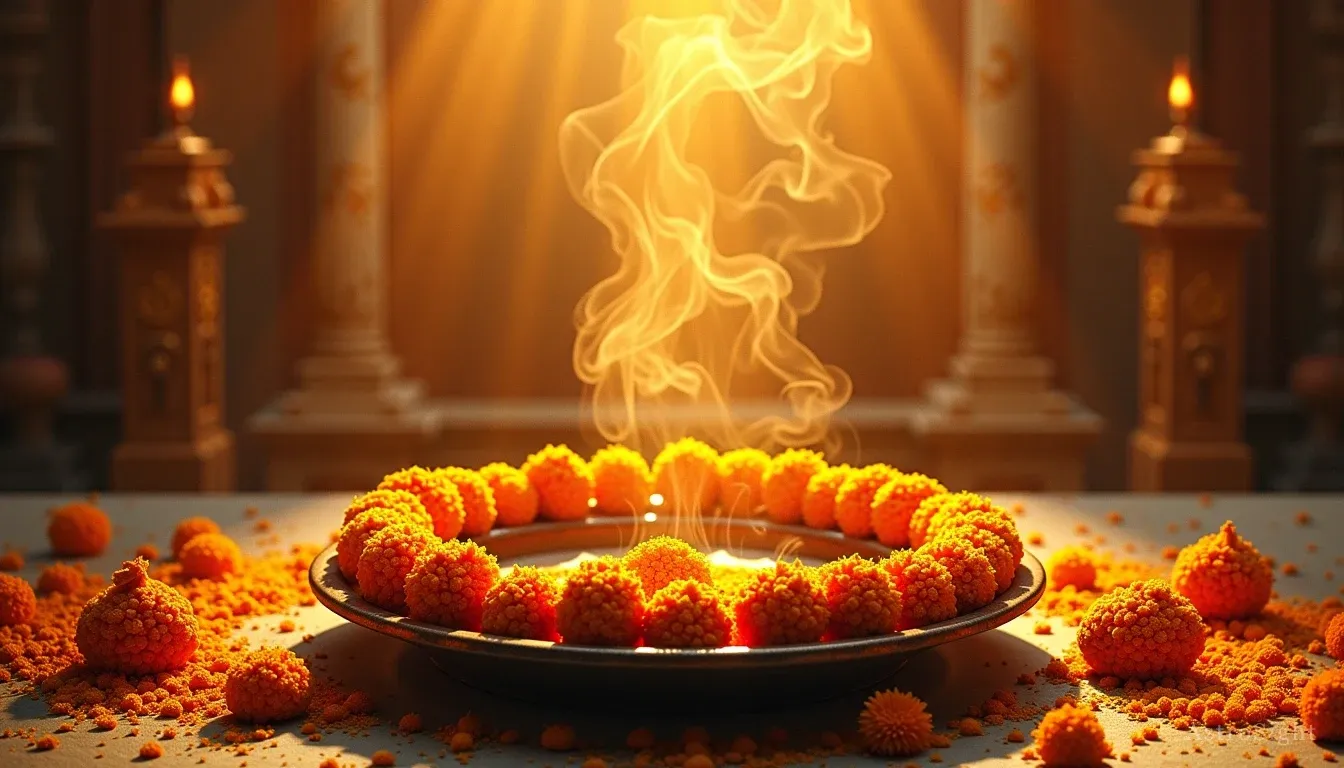
Choti Holi 2026 (Holika Dahan) falls on Saturday, March 21 — the evening of Phalgun Purnima (the full moon in the month of Phalgun). Dhulandi (Rang Wali Holi, the festival of colors) is celebrated the following morning, Sunday, March 22. These two consecutive days together constitute the complete Holi festival, with Holika Dahan marking the triumph of devotion over ego-driven power, and Dhulandi marking the pure celebration of life, color, and spring.
As of 2026, Holi falls in its traditional Phalgun Purnima slot: the full moon of the last month of the Hindu lunisolar year (Phalgun). The Sun is in Pisces (its last zodiac sign position before entering Aries on March 14–15) and the Moon opposes it from Virgo at the full moon. This Pisces Sun – Virgo Moon opposition carries the energy of endings, release, and transition — the perfect astrological container for a festival that burns the old (Holika Dahan) and greets the new with color (Dhulandi).
Holi falls just 2 days after Gudi Padwa (March 19, 2026) — meaning the Holi weekend and the New Year weekend are consecutive. The 2 days of Holi (March 21–22) complete the old year's ending, and Gudi Padwa (March 19) begins the new year. However, in the Panchang sequence, Gudi Padwa (Chaitra Pratipada) falls AFTER Holika Dahan because the new month of Chaitra begins after the full moon. The sequence is: Phalgun Purnima (March 21) → Holika Dahan → Dhulandi (March 22) → Pratipad (first day of Chaitra) → Gudi Padwa (March 19 is actually based on the next Pratipada after the sun enters Aries, which in 2026 falls before the Phalgun Purnima due to calendar convergence).
For the astrological Panchang details for March 21, 2026 including the exact Pradosh timing for your city, use the birth chart calculator.
What Is the Story of Holika and Prahlad?
The Holika-Prahlad story is told in the Bhagavata Purana, Book 7, Chapters 4-10. It is the foundational narrative of the Holi festival.
Hiranyakashipu was a powerful demon king who had obtained a boon from Brahma that made him nearly indestructible: he could not be killed by man or animal, inside or outside, during the day or at night, by any weapon created or held. Drunk on this invincibility, Hiranyakashipu declared himself god and commanded all his kingdom to worship him — not Vishnu.
His own son, Prahlad, refused. Prahlad was a devotee of Vishnu from birth and would not worship his father as a god. Hiranyakashipu attempted to kill Prahlad 5 times: by throwing him off a cliff, by having him trampled by elephants, by poisoning him, by having him bitten by snakes, and finally by asking his sister Holika to take care of him.
Holika had received a divine boon: she could sit in fire without being burned. Hiranyakashipu ordered Holika to sit in a bonfire with Prahlad in her lap — the fire would destroy Prahlad while leaving Holika unharmed. Holika agreed.
The fire was lit. But Holika's boon had a condition she had ignored: it only protected her from fire when she entered willingly for a righteous purpose — not when she entered to kill an innocent devotee. Holika was consumed by the fire. Prahlad, sustained by his devotion to Vishnu, emerged unharmed.
The theological message: the boon of invincibility (ego-power, material protection) fails when it is used against innocence and devotion. Holika represents the ego's belief that it can do anything with impunity. Prahlad represents the soul's alignment with the divine that no external force can destroy.
Holika Dahan — the burning of Holika's effigy — annually reenacts this truth: ego, arrogance, and the misuse of power are what burn. Devotion survives.
What Is the Holika Dahan Muhurat for 2026?
The Holika Dahan must be performed during the Pradosh Kala (the twilight period, approximately 90 minutes after sunset) on March 21, 2026. Classical texts from Dharmashastra are specific: Holika Dahan during Bhadra (a particular inauspicious period in Tithi calculation) is strictly prohibited, as is Holika Dahan before Pradosh Kala.
For March 21, 2026, in most of India: sunset occurs around 6:15–6:30 PM (varies by city). Pradosh Kala begins approximately 90 minutes after sunset — approximately 7:45 PM to 8:00 PM.
The Purnima tithi on March 21, 2026 is active throughout the day and evening. As long as Bhadra has passed (Bhadra is the first 1.5 hours of the Chaturdashi-to-Purnima transition and ends well before Pradosh in 2026), the Holika Dahan can be performed in the Pradosh window (approximately 7:45 PM to 9:45 PM).
The ideal time is the Nishita Kala (midnight) Purnima — if the Purnima extends past midnight, Holika Dahan performed at midnight carries the maximum auspiciousness. However, Pradosh Kala is the most practical and widely observed window.
Always confirm the Bhadra timing for your specific city from a local Panchang, as the Bhadra period's end time varies by location.
How Do You Perform the Holika Puja Before Dahan?
The Holika Puja is performed before the bonfire is lit. It is a brief but specific ritual that honors the fire itself and the mythological event.
Step 1: Collect the bonfire materials in advance — a central wooden post (typically from a Sami or Arandi/castor tree), dry wood, dried cow dung cakes (Upla), and straw. The central post represents Holika; the surrounding combustible material represents all accumulated negativity.
Step 2: Surround the central post with the dry wood and cow dung cakes. Place a small effigy of Holika (made of dry grass and straw) on the top of the bonfire arrangement.
Step 3: Before lighting, perform the Holika puja: offer water (Arghya) to the arrangement with the right hand, place raw cotton thread (Sutra) — white thread representing the protective cord of Prahlad's devotion — and wind it around the bonfire arrangement 7 times while walking clockwise. These 7 circles represent 7 forms of obstacles being bound and burned.
Step 4: Offer flowers, kumkum, and raw coconut to the bonfire. The raw coconut (Naariyal) represents the ego — the green outer shell must be burned away to reveal the pure water within.
Step 5: Light the bonfire at the prescribed Pradosh Muhurta, ideally with a cow dung cake fire starter (not synthetic lighter fluid). Recite: "Asrikpabhas Chakasad Diptyagnastejasa Vritha / Agnim Suvarna-Shikha Holika Nasyate."
Step 6: After the fire is established, perform 7 Parikrama (clockwise circumambulations) around the burning fire while chanting the Vishnu Sahasranama or simply "Om Namo Bhagavate Vasudevaya."
What Are the Natural vs Synthetic Colors for Dhulandi?
Dhulandi (March 22, 2026) is the morning of playing with colors — Rang Wali Holi. The colors used on Dhulandi carry both festive joy and astrological significance.
Auspicious natural colors and their planetary connections:
| Color | Planetary Connection | Natural Source | Significance |
|---|---|---|---|
| Red (Gulal) | Mars / Sun | Dried madder root, rose petals | Strength, vitality, new beginning |
| Yellow | Jupiter / Sun | Turmeric (Haldi), marigold | Wisdom, prosperity, auspiciousness |
| Green | Mercury / Venus | Spinach paste, neem leaves | Growth, fertility, new life |
| Orange/Saffron | Sun | Saffron, dried marigold | Solar energy, courage, spirituality |
| Pink/Rose | Venus / Moon | Dried rose petals | Love, harmony, feminine energy |
| Blue | Saturn / Vishnu | Indigo, blue morning glory | Divine protection, sky, infinity |
| White | Moon | Rice flour, chalk powder | Purity, peace, lunar energy |
Synthetic colors to avoid: Many commercially available Holi colors contain lead oxide (in silver/grey colors), copper sulfate (in green powders), and industrial dyes that are chemically corrosive to skin and eyes. The bright purple, toxic silver, and deep black colors in particular contain heavy metals. Classical tradition always used natural colors — the tradition of toxic synthetic colors is entirely modern.
Applying Gulal (dry red color powder made from dried flowers) is the most auspicious beginning for Dhulandi. The first Gulal is applied to the elders and the household deity image before playing with others.
What Is the Significance of Phalgun Purnima Astrologically?
Phalgun Purnima (March 21, 2026) is one of the most astrologically significant full moons of the year. The Sun is in Pisces and the Moon opposes it from Virgo — this full moon occurs in the Uttara Phalguni Nakshatra (or nearby, depending on the Moon's exact degree).
Uttara Phalguni Nakshatra is ruled by Aryaman (the god of contracts, friendship, and hospitality). Its deity energy is that of the benevolent protector who ensures social bonds. The full moon in this Nakshatra during the festival of social bonding (Holi is fundamentally about dissolving social barriers through color) creates a powerful alignment.
The Phalgun month's full moon is also the most auspicious for ancestor worship (Pitru Tarpan). Some classical texts prescribe a water offering (Tarpan) to ancestors on Phalgun Purnima morning, before the Holika Dahan. This practice treats Phalgun Purnima as a day of completion — honoring those who came before while preparing to burn the old and step into the new.
The Phalgun Purnima remedies for malefic planets: Saturn-afflicted individuals perform sesame oil donation at a Shani temple on this day; Rahu-afflicted individuals donate black sesame and blue cloth; Venus-afflicted individuals offer white flowers at Lakshmi temples. These planetary remedies on the full moon day are amplified because the full moon's intensity activates planetary energies to their maximum expression — making remedies both more necessary and more effective.
What Is Braj Holi and Lathmar Holi?
Braj Holi refers to the entire month-long Holi celebration that begins in Vrindavan 40 days before the main Holi — making Braj's Holi the longest celebration of any festival in India. The sequence in Braj:
Vasant Panchami (January 29, 2026): The formal start of Holi season in Braj. Gulal is first offered to Radha-Krishna in the temples.
Phool Wali Holi: Flower-petal Holi at Vrindavan's Banke Bihari temple (approximately 15 days before Holi) — only flower petals are thrown, no powder.
Lathmar Holi at Barsana and Nandgaon: Observed on the day before Holi week in Barsana (Radha's village) and Nandgaon (Krishna's village). Men from Nandgaon visit Barsana; the women of Barsana beat the men with lathis (sticks) while the men defend themselves with shields. This reenacts the playful combative relationship of Radha and Krishna. The Lathmar Holi in 2026 falls approximately on March 15-16 (10 days before Dhulandi).
Holi at Vrindavan's Banke Bihari temple: The most ecstatic Holi celebration in North India, where all social distinction dissolves in a sea of colored powder under the temple's silver ornate ceiling.
The Braj Holi traditions preserve the most ancient layer of the festival — its origin not in the Holika-Prahlad mythology but in the playful, joyful love of Radha and Krishna. Both mythological layers (Vishnu's protection through devotion; Krishna's play and love) are present in the complete Holi tradition.
What Are the Phalgun Purnima Remedies?
Phalgun Purnima is the optimal day for several classical Vedic remedies, given the moon's full potency and the day's transitional energy between the old year and new.
For all planets: Performing the Satyanarayan Puja on Phalgun Purnima is a comprehensive remedy that addresses all planetary challenges simultaneously. Lord Vishnu (Satyanarayan) is the ultimate protective deity, and his puja on the year's last full moon completes the year with divine protection.
For Moon-related challenges (emotional instability, depression, relationship difficulties): The full moon is the Moon's peak day — performing Moon Mantra ("Om Chandraya Namah") 108 times at moonrise on March 21, facing east, with milk offering to the Moon, is the most potent Moon remedy of the year.
For Sun-related challenges (authority, father, career, government): At sunrise on March 22 (Dhulandi morning), offer water mixed with red powder (Gulal) to the rising Sun while reciting "Om Suryaya Namah" 7 times. The spring sunrise on Holi morning is considered an intensely powerful Sun remedy.
For Jupiter challenges (knowledge, wisdom, children, dharma): Yellow Gulal applied to a Vishnu or Brihaspati image on Dhulandi morning, with chanting of "Om Gurave Namah" 108 times, addresses Jupiter's weak placement in the birth chart.
For personalized remedies based on your birth chart positions and current Dasha period, use the birth chart calculator and the companion article at Gudi Padwa 2026 which covers the following New Year's astrological significance.
What Is the Astrological Significance of Burning the Old at Holika Dahan?
Holika Dahan is not merely a mythological commemoration — it is a powerful ritual technology for releasing accumulated Karma, psychological patterns, and planetary afflictions.
The fire element (Agni) in Vedic tradition is the universal transformer. What enters fire exits as a different substance — smoke, ash, light, and heat. The bonfire on Holika Dahan, performed during the Pradosh window (the transition between day and night, light and darkness), creates a liminal space in which the old can be genuinely dissolved.
Classical practitioners write their obstacles, fears, or specific challenges on a piece of paper and place it in the bonfire — a physical act of handing the problem over to Agni (fire deity) for transformation. This is prescribed in multiple regional Shastra traditions as a method of "Karma Shodhana" (purification of karma) through fire.
Astrologically, the Saturn transit's accumulated pressure over any natal house can be symbolically released through this practice: writing "Saturn's obstacles" or the name of the specific house area being challenged, and surrendering it to the fire, is a conscious cooperation with the Holika Dahan mythology.
The new morning — Dhulandi — begins with color, play, sweetness (Gujiya sweets), and the embrace of all people regardless of social status. The social egalitarianism of Holi (anyone can throw color at anyone, master and servant become equals for a morning) is the post-fire state: after burning the old hierarchy and the old patterns, everyone meets on equal ground.
Align Your Spiritual Path with Your Purpose
Your birth chart reveals your dharma — the path aligned with your soul purpose. Get expert analysis connecting spiritual direction with practical life choices.
Get Your Career Report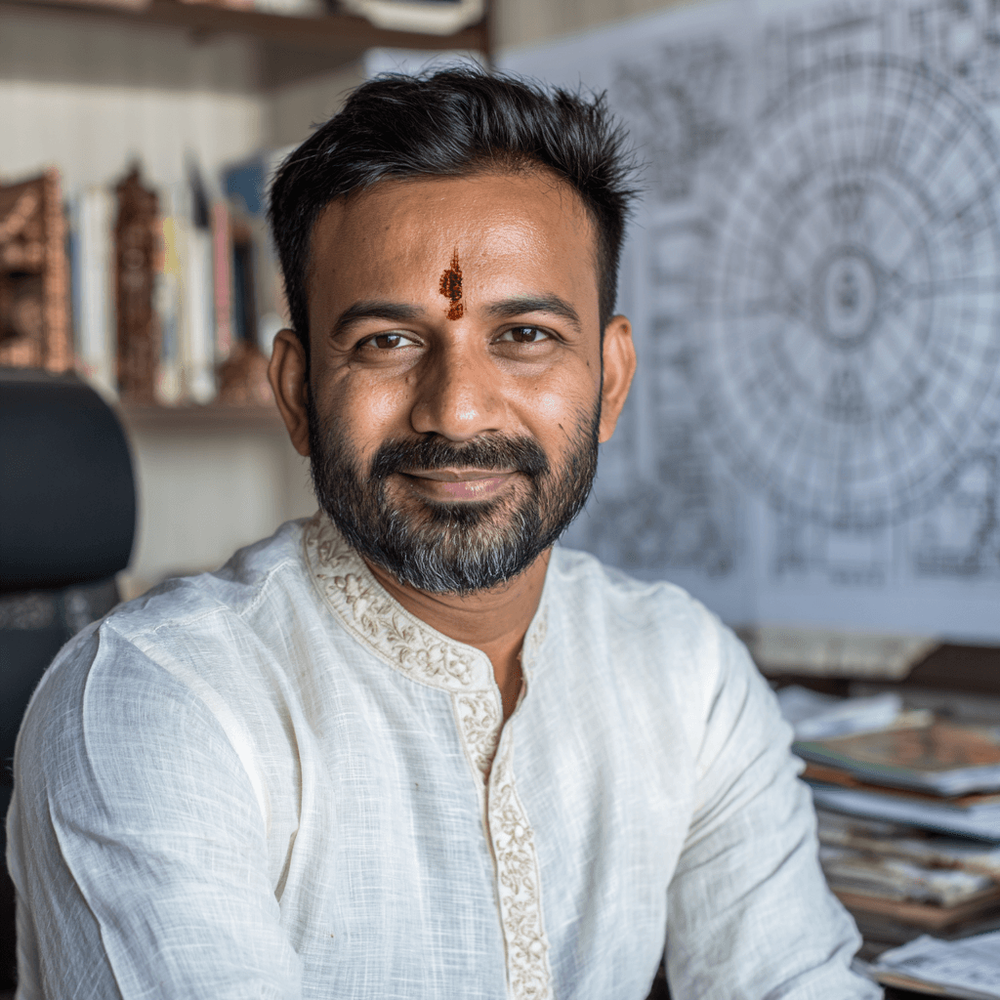
Shri Ankit Bansal
Vedic Astrologer · Numerology and Vastu Expert, 15+ Years
Shri Ankit Bansal is a renowned numerology and Vastu expert with over 15 years of specialized experience in these ancient Indian sciences. His extensive practice encompasses thousands of consultations in numerological analysis, name corrections, business numerology, and comprehensive Vastu assessments for residential and commercial properties. As a contributing writer for AstroSight, Shri Bansal combines his deep understanding of numerical vibrations with practical Vastu principles to provide holistic solutions that harmonize living and working spaces with cosmic energies. His expertise spans personal numerology charts, business name analysis, property Vastu audits, and remedial measures that blend traditional wisdom with modern lifestyle requirements. Through his methodical approach and proven track record, Shri Bansal has established himself as a trusted authority in helping clients optimize their environment and numerical influences for enhanced prosperity, health, and overall well-being.