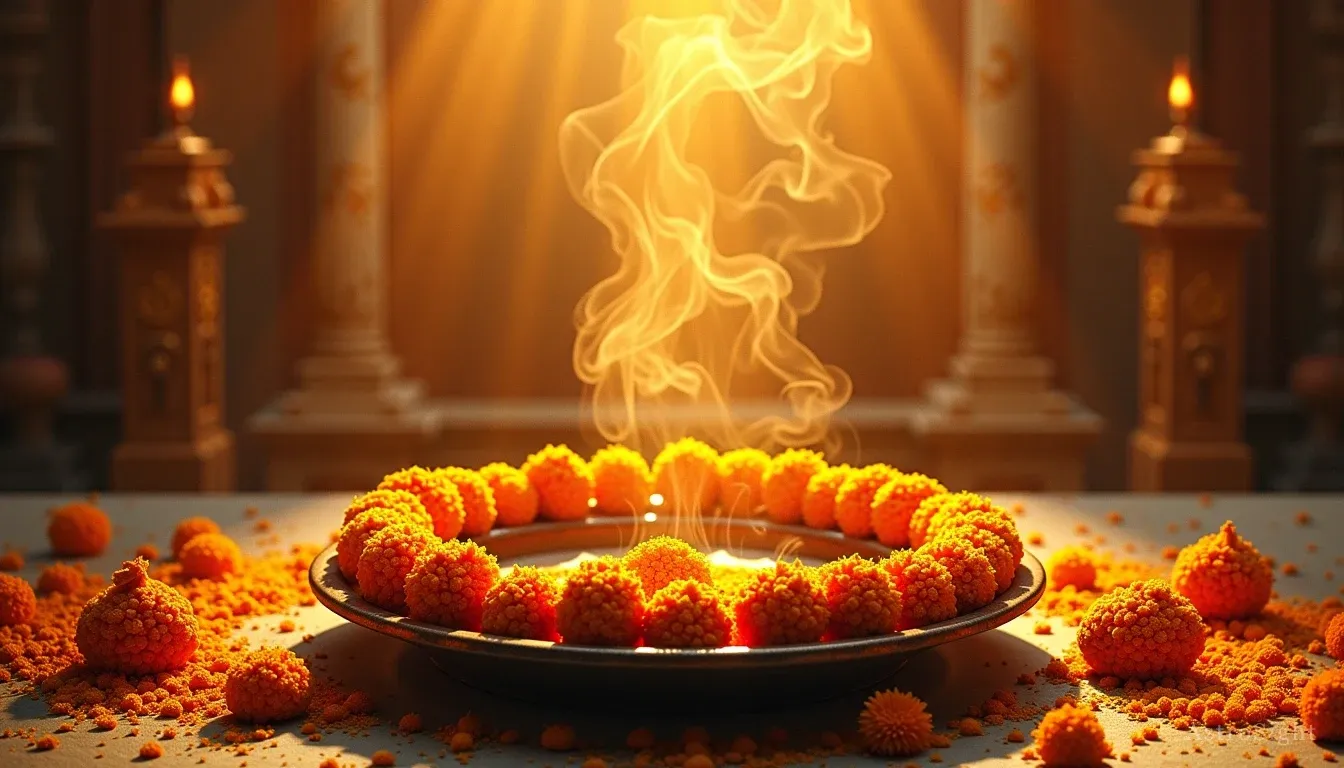
Vishu 2026: Kerala New Year Date & Kani Ritual
_Reviewed by Shri Ankit Bansal, Vedic Astrology Consultant with 15+ years of experience. As of 2026._
_Reviewed by Shri Ankit Bansal, Vedic Astrology Consultant with 15+ years of experience. As of 2026._
---
Vishu 2026 falls on Wednesday, April 15 — the day on which the Sun enters Aries (Mesha Rashi) in the Kerala Panchang system, marking Mesha Sankranti and the beginning of the Malayalam New Year. Vishu is the most astronomically precise of all Indian New Year festivals: it falls exactly when the Sun crosses 0 degrees Aries in the sidereal zodiac (Nirayana system), making it the true Vedic Solar New Year regardless of the lunar calendar.
As of 2026, Mesha Sankranti (Sun entering Aries) occurs on April 15 at approximately 3:40 AM IST. Since the Sankranti occurs before sunrise, the Vishu festival and the Vishukkani ritual are observed on April 15.
Vishu is primarily a Kerala festival, celebrated by Malayali Hindus across Kerala, the Kodagu district of Karnataka, and Malayali communities worldwide. The word "Vishu" derives from the Sanskrit "Vishuvat" meaning equinox — the day of equal day and night. While the modern Vishu day (Mesha Sankranti) does not technically coincide with the astronomical vernal equinox (which falls around March 21), the festival's name preserves the ancient connection between the solar new year and the spring equinox.
Vishu falls exactly 27 days after Gudi Padwa (March 19, 2026) — reflecting the difference between the lunisolar new year (which uses the Moon's conjunction in Chaitra) and the purely solar new year (which uses the Sun's zodiac entry). The same day is celebrated as Baisakhi in Punjab and Himachal Pradesh, Puthandu in Tamil Nadu, Bohag Bihu in Assam, and Pohela Boishakh in West Bengal — all marking Mesha Sankranti.
The central astrological significance: when the Sun enters Aries, it approaches its point of exaltation at 10 degrees Aries. The Sun is at its freshest, most energized, and most powerful phase in this sign — the new year begins with the most life-giving planet in its most vital zodiac position. Connecting your personal year to this astronomical event through the Vishukkani ritual aligns the household's energy with the Sun's peak strength.
You can explore how the Sun's transit through Aries affects your personal birth chart at the birth chart calculator.
What Is the Vishukkani Ritual and Why Is It Performed?
The Vishukkani is the most sacred and defining ritual of Vishu. "Kani" in Malayalam means "the first thing seen" — the Vishukkani is the first sight that greets the eyes when you open them on Vishu morning. The tradition holds that the quality of what you see first on Vishu morning determines the quality of the entire year ahead.
The Vishukkani is arranged by the senior woman of the household on the night before Vishu (April 14 evening) and placed in front of the deity room's image or in a special arrangement near a polished mirror and lamps. The arrangement is kept hidden from all other household members until Vishu morning.
On Vishu morning (April 15), the woman wakes first — before anyone else in the household — and performs a personal prayer at the Vishukkani. She then wakes each family member individually, covers their eyes with her hand, leads them to the Vishukkani, and gently removes her hand so that the Vishukkani is the very first sight they behold when they open their eyes.
The first sight must be the Vishukkani — not a person's face, not a wall, not a ceiling. Every precaution is taken to ensure the Vishukkani is unambiguously the first thing the eyes register.
What Items Are Placed in the Vishukkani Arrangement?
The Vishukkani arrangement follows a precise list of items, each chosen for its auspicious symbolism. The complete arrangement includes:
Konnappoo (Golden Shower flowers, Cassia fistula): The yellow blossoms of the Konna tree are the most iconic Vishu symbol. These flowers bloom precisely in April-May, making them naturally available for Vishu. The golden-yellow color connects to the Sun's energy and gold's prosperity symbolism. A Vishukkani without Konnappoo is considered incomplete.
Kani Vellarikka (a type of yellow cucumber): A special yellow variety of cucumber that represents vegetable abundance and the earth's fertility at the harvest season.
Kani Vellari (raw yellow mango): Raw mango represents the spring season's energy — slightly tart and full of life, like the new year itself.
Rice and grains (Nellum): Paddy rice (with husks) represents agricultural prosperity and the continuity of the food cycle.
Gold coins and jewelry: Gold items in the arrangement represent wealth. The first sight of gold on the new year activates the prosperity energy for the year.
Vishnu idol or image: A clean, freshly decorated image of Lord Vishnu (or Krishna) is the divine focal point of the arrangement. Seeing the face of the lord first on the new year is the highest auspiciousness.
A polished mirror (Valkannadi): The mirror reflects all the items back, doubling the visual abundance. It also symbolizes self-knowledge — the new year begins with seeing yourself and the world clearly.
A lit nilavilakku (traditional brass lamp): The lamp with lit wicks represents the light of knowledge and the Sun's presence. The lamp must be lit before the Vishukkani is revealed.
Fresh fruits: Jackfruit, coconut, plantain, and other Kerala fruits of the season.
Coins and currency: Fresh currency notes representing the year's financial aspirations.
Books or scriptures: Representing wisdom, education, and knowledge.
What Is Vishukkaineettam and Who Gives It?
Vishukkaineettam (Vishu + Kaineettam = Vishu + hand-giving) is the tradition of elders giving money, coins, or small gifts to younger family members and children on Vishu morning, after the Vishukkani is seen. "Kaineettam" literally means "that which is extended by hand" — the hand of an elder extending a gift.
The Vishukkaineettam is given by grandparents, parents, uncles, and aunts to children, grandchildren, and younger siblings. The act of giving on the new year morning is understood as an intentional seeding of prosperity — the elder consciously sends prosperity energy toward the younger generation, setting the tone for the year's financial and relational quality.
Traditionally, Vishukkaineettam was given as gold coins (Panam). In modern practice, it is currency notes — fresh, crisp notes are considered more auspicious than worn ones. The amount varies by family tradition, but multiples of 101 or 1001 are considered most auspicious.
The exchange also flows horizontally: on Vishu, people visit neighbors, extended family, and friends and give small amounts of money or sweets as Kaineettam. This creates a web of auspicious exchange throughout the community on the new year morning.
How Does the Sun's Exaltation at 10 Degrees Aries Connect to Vishu?
The Sun's exaltation point in Vedic astrology is 10 degrees Aries. Exaltation (Uccha) is the zodiac position where a planet functions at its highest, most benevolent capacity. The Sun exalted in Aries represents the maximum solar vitality — clear light, unobstructed visibility, leadership, and life force at full strength.
Vishu marks the Sun's entry into Aries at 0 degrees on April 15. The Sun reaches its exaltation peak at 10 degrees Aries approximately 10 days later (around April 25). The Vishu festival therefore catches the Sun at the very beginning of its exaltation journey — the first step of the climb to its annual peak.
Astrologically, the 10 to 12 days following Vishu are considered the most auspicious window of the year for Sun-related activities: starting new health routines, government-related tasks, leadership initiatives, and activities connected to the father or paternal lineage. The Sun's growing strength in Aries during this period supports all these domains.
B.V. Raman in _Planetary Influences on Human Affairs_ notes that the Sun's exaltation period is when Sun Dasha (Mahadasha or Antardasha) natives experience their most positive and clarifying results. Individuals in Sun Mahadasha during April 2026 will find the days around Vishu particularly illuminating and opportunity-rich.
How Does Vishu Compare to Other Indian New Year Festivals?
Vishu falls on the same day as several other regional New Year festivals — all marking Mesha Sankranti (the Sun entering Aries).
Festival | Region | Name | Language | Key Ritual
- Vishu — Kerala — Vishu — Malayalam — Vishukkani first-sight ritual
- Baisakhi — Punjab, Haryana — Baisakhi — Punjabi — Bhangra dance, Golden Temple prayer
- Puthandu — Tamil Nadu — Puthandu Vazthukal — Tamil — Kani arrangement (similar to Vishukkani)
- Bohag Bihu — Assam — Rongali Bihu — Assamese — Community feast, Bihu dance
- Pohela Boishakh — West Bengal — Nababarsha — Bengali — New clothes, business new year
- Vishu Kani — Kodagu (Karnataka) — Vishu — Kodava — Simplified Vishukkani arrangement
Among all these festivals, the Vishukkani ritual in Kerala is the most elaborately standardized first-sight practice — the precision of "the exact first thing you see" is more carefully observed in Kerala tradition than in other regions.
The Tamil Puthandu Kani is the closest equivalent — Tamil families also arrange auspicious items for the first sight of the new year. However, the Tamil arrangement traditionally includes fewer items than the Kerala Vishukkani and the process is slightly less ritualized.
What Is Vishu Katta and Other Traditional Foods?
Vishu Katta is the iconic Vishu sweet — a thick, firm pudding made from rice flour, coconut milk, and jaggery. It is firmer than regular rice pudding — the word "Katta" means "tied" or "firm" in Malayalam. The firmness symbolizes steadiness and solid foundation for the year ahead.
Traditional Vishu foods served as part of the Vishu Sadya (feast) include:
Vishu Katta: The sweet rice-coconut-jaggery pudding, always present.
Mampazhappulissery: Raw mango in coconut milk curry — using the Vishu mango from the Kani arrangement (after the ritual is complete, the raw mango is used in cooking).
Pappadam, Pachadi, and Pickles: The traditional Kerala feast accompaniments.
Kanji (Rice porridge): Thin rice porridge with coconut milk is often the first morning meal, light enough to be the first food after seeing the Vishukkani.
The Vishu Sadya (feast) is a full Kerala Onam-style feast served on banana leaves, though smaller in scale than the Onam Sadya. The meal traditionally includes 13 to 16 dishes covering all 6 tastes (sweet, sour, salty, bitter, pungent, astringent) — representing the complete spectrum of life being welcomed in the new year.
What Are the Fireworks and Celebration Traditions in Kerala?
Vishu is unique among Indian New Year festivals for the widespread tradition of fireworks (Vishu Vedi). Firecrackers in Kerala are set off in the hours before sunrise on Vishu morning — the sound of crackers across the neighborhood is part of the "pre-Vishukkani" awareness-building.
The fireworks tradition serves a practical purpose within the ritual framework: they signal to everyone in the neighborhood that Vishu morning has arrived and that it is time to close their eyes and wait to be guided to the Vishukkani. The crackers say "Vishu has come — prepare to see only auspiciousness first."
Fireworks also serve as the solar salutation in sound — bright explosive light and sound marking the Sun's entry into Aries. In astrological terms, fireworks (fire + air + light) correspond to Sun and Mars energy — the two fire planets whose energy dominates Aries (Sun exalted, Mars own sign).
Families also dress in new clothes (Vishu Puthukodi — "new cloth for Vishu") purchased specifically for the occasion. The color choices traditionally favor white, gold, and yellow — all Sun-related colors.
What Is the Astrological Significance of Mesha Sankranti?
Mesha Sankranti (the Sun's entry into Aries) is one of the 12 Sankrantis (solar zodiac transitions) of the year, and it is considered the most important because Aries is the first sign of the zodiac. This is the true beginning of the solar year in Vedic astronomy.
In Vedic astrology, the Sankranti chart (the chart cast for the exact moment of the Sun's entry into a new sign) is used for mundane astrology (predicting collective events, weather, agriculture, and politics for the coming month). The Mesha Sankranti chart predicts the entire year's quality — not just the month of Aries.
Gudi Padwa (March 19, 2026) and Vishu (April 15, 2026) are both correct as New Year dates from different calculation methods: Gudi Padwa uses the first new moon after the Sun enters Aries (lunisolar calculation), while Vishu uses the Sun's actual entry into Aries (pure solar calculation). Vedic astrology acknowledges both systems — the lunisolar Panchang and the solar Sankranti system.
For personalized astrological analysis of how the Sun's transit through Aries in 2026 affects your specific birth chart, including which house the Sun activates and whether its exaltation benefits you directly, use the birth chart calculator and the companion article on Gudi Padwa 2026.
Align Your Spiritual Path with Your Purpose
Your birth chart reveals your dharma — the path aligned with your soul purpose. Get expert analysis connecting spiritual direction with practical life choices.
Explore Our Reports
Shri Ankit Bansal
Vedic Astrologer · Numerology and Vastu Expert, 15+ Years
Shri Ankit Bansal is a renowned numerology and Vastu expert with over 15 years of specialized experience in these ancient Indian sciences. His extensive practice encompasses thousands of consultations in numerological analysis, name corrections, business numerology, and comprehensive Vastu assessments for residential and commercial properties. As a contributing writer for AstroSight, Shri Bansal combines his deep understanding of numerical vibrations with practical Vastu principles to provide holistic solutions that harmonize living and working spaces with cosmic energies. His expertise spans personal numerology charts, business name analysis, property Vastu audits, and remedial measures that blend traditional wisdom with modern lifestyle requirements. Through his methodical approach and proven track record, Shri Bansal has established himself as a trusted authority in helping clients optimize their environment and numerical influences for enhanced prosperity, health, and overall well-being.