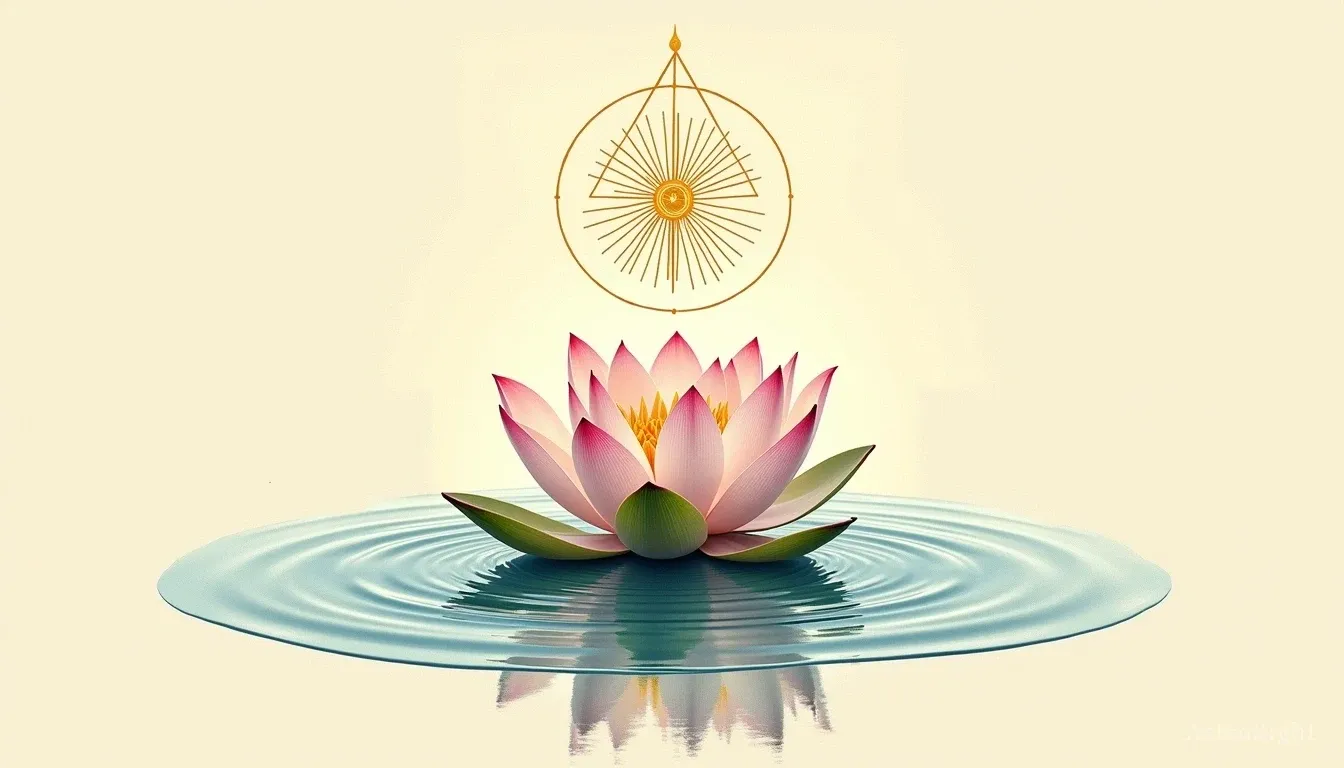
Devshayani Ekadashi: When Vishnu Sleeps — Vrat Method
Reviewed by Dr. Meenakshi Sharma, M.A. Sanskrit & Vedic Studies, Varanasi — as of May 2026.
Reviewed by Dr. Meenakshi Sharma, M.A. Sanskrit & Vedic Studies, Varanasi — as of May 2026.
Devshayani Ekadashi falls on Ashadha Shukla Ekadashi — in 2026, this date is July 25. On this day, according to the Padma Purana, Lord Vishnu reclines on the cosmic serpent Shesha Naga in the primordial ocean and enters a state of divine yoga nidra (cosmic sleep) that lasts four months. As of 2026, this observance — the beginning of Chaturmas — continues to shape Hindu religious and social life in profound ways, from the suspension of auspicious ceremonies to the intensification of Vaishnava spiritual practice. This article covers the Padma Purana narrative, the meaning of Chaturmas, what is forbidden and encouraged during the four months, the vrat method, the Pandharpur Wari pilgrimage tradition, and all 2026 timings.
The Padma Purana Narrative: Vishnu on Shesha Naga
The scriptural basis for Devshayani Ekadashi is found in the Padma Purana, Uttara Khanda. The narrative describes Lord Vishnu entering a state of divine yoga nidra (cosmic sleep) while reclining on the coils of Shesha Naga — the thousand-hooded serpent whose body is the cosmic bed — in the primordial ocean of milk (Kshira Sagara). This is not sleep in the ordinary sense. Yoga nidra is the divine state in which consciousness withdraws from active, manifest engagement with the world while remaining cosmically aware. The Bhagavata Purana describes this state as Vishnu's periodic withdrawal that allows the cycles of creation to proceed without the divine sustainer's direct intervention.
The Padma Purana also contains the specific dialogue between Brahma and Narada in which Brahma explains that during these four months, Vishnu's Shakti (Lakshmi) sustains the world in his absence, and devotees who fast, pray, and observe austerities during this period receive the merit normally accumulated through years of practice. The date of Ashadha Shukla Ekadashi is described as the precise day the divine sleep begins, and Kartik Shukla Ekadashi (Prabodhini or Dev Uthani Ekadashi) is when Vishnu awakens.
> Quick Answer: The Padma Purana (Uttara Khanda) describes Lord Vishnu entering yoga nidra — divine cosmic sleep — on Ashadha Shukla Ekadashi (Devshayani), reclining on Shesha Naga in the ocean of milk. This sleep lasts four months until Kartik Shukla Ekadashi (Prabodhini/Dev Uthani Ekadashi). During this period, Lakshmi sustains the world, and austerities performed by devotees carry amplified merit.
2026 Date and Paran Time
Devshayani Ekadashi in 2026 falls on July 25, 2026 (Ashadha Shukla Ekadashi). The vrat fast is maintained on July 25. The Dwadashi paran (fast-breaking) falls on July 26, 2026, within the prescribed morning window. Use /panchang with your specific city to confirm the exact Ekadashi Tithi start and end times and the Dwadashi paran window, as these vary by geographic location. Devshayani Ekadashi is also known as Ashadhi Ekadashi (particularly in Maharashtra), Maha Ekadashi, Padma Ekadashi, and Hari Shayani Ekadashi.
> Quick Answer: Devshayani Ekadashi 2026 falls on July 25. The fast is observed on July 25 and broken on July 26 within the Dwadashi paran window. The day is also called Ashadhi Ekadashi, Maha Ekadashi, Padma Ekadashi, and Hari Shayani Ekadashi. Use /panchang for location-specific Tithi timings and paran.
What Chaturmas Means: Four Sacred Months
Chaturmas (Chatur = four, Mas = months) refers to the four-month period from Ashadha Shukla Ekadashi to Kartik Shukla Ekadashi. In 2026, this period runs from July 25 to November 20. These four months correspond to the monsoon season in India — a time when ancient tradition recognized travel, commerce, and elaborate ceremonies as practically difficult. Religious teachers (sanyasis and sadhus) traditionally stayed in one place during Chaturmas, preaching and practicing intensively rather than travelling. This practical origin developed into a rich spiritual framework in which the four months became the most auspicious period for personal tapas, study, pilgrimage (where practical), and devotional intensification. The Vishnu Purana and the Bhavishya Purana both describe Chaturmas as the period when dharmic practice accumulates accelerated merit.
> Quick Answer: Chaturmas ("four months") runs from Ashadha Shukla Ekadashi to Kartik Shukla Ekadashi — July 25 to November 20 in 2026. The four months originated in the ancient tradition of monks staying in one place during the monsoon; this practical restriction evolved into the most spiritually intensive period of the Hindu year, when tapas, study, and devotional practice carry amplified merit.
What Is Forbidden During Chaturmas
Classical texts including the Vishnu Purana, Padma Purana, and Bhavishya Purana list the following activities as inappropriate during Chaturmas, specifically because they are auspicious ceremonies that require divine blessing — and the tradition holds that with Vishnu in cosmic sleep, such ceremonies lack their full divine sanction:
1. Vivah (marriage ceremonies) — no new marriages are solemnized during Chaturmas. This is the most widely observed restriction across Hindu communities. 2. Grahapravesh (house-warming) — entering a new home or office as a formal inaugural ceremony. 3. Mundan (first haircut ceremony for children) — deferred to after Kartik Shukla Ekadashi. 4. Upanayana (sacred thread ceremony) — major samskaras (life-cycle rituals) are generally not performed. 5. New business inaugurations — starting new commercial ventures with a religious ceremony.
Not all communities observe every restriction equally. In South India, particularly in Tamil Nadu and Karnataka, some of these ceremonies are observed during specific windows even within Chaturmas. The most universally observed restriction across all communities is the prohibition on marriage ceremonies.
> Quick Answer: During Chaturmas, the following are traditionally not performed: marriage (vivah), house-warming (grahapravesh), first haircut (mundan), sacred thread ceremony (upanayana), and new business inaugurations with religious ceremony. The marriage prohibition is the most universally observed. The basis is that Vishnu's cosmic sleep withholds divine sanction from auspicious ceremonies during this period.
What Is Encouraged During Chaturmas
While auspicious ceremonies are suspended, Chaturmas is specifically designed for intensified spiritual activity. The Padma Purana and Bhavishya Purana describe the following as particularly meritorious during these four months:
1. Tapas (austerities): Fasting regularly, reducing comfort, sleeping on the floor, rising before dawn. 2. Adhyayana (scriptural study): Reading and contemplating the Bhagavata Purana, Ramayana, Bhagavad Gita, Vishnu Sahasranama, and other sacred texts. Many Chaturmas practitioners read the complete Bhagavata (12 books) during the four months. 3. Pilgrimage: Visiting sacred temples and rivers, especially Vrindavan, Dwarka, Kashi, Puri, and the char dhams. 4. Charitable giving (dana): Food, clothing, and monetary gifts to those in need and to qualified teachers. Dana during Chaturmas is described as multiplying in merit. 5. Ekadashi vrats: Every Ekadashi during Chaturmas receives special emphasis — there are eight Ekadashis during the four-month period, and observing all eight is described as equivalent to a full year's Ekadashi practice. 6. Vishnu Puja: Daily worship of Vishnu or his deity forms, particularly Vithoba/Vitthal, Rama, and Krishna.
> Quick Answer: During Chaturmas, the following carry amplified spiritual merit: tapas (fasting, rising before dawn), scriptural study (many complete the full Bhagavata Purana in the four months), pilgrimage, charitable giving, all eight Ekadashis, and daily Vishnu puja. The Padma Purana describes Chaturmas as the period when dharmic practice accumulates merit far beyond its normal rate.
The Pandharpur Wari: The Vitthal Pilgrimage Tradition
Devshayani Ekadashi is the most significant day in the Maharashtra devotional calendar because of the Wari — the great pilgrimage to Pandharpur. Vitthal (or Vithoba), the deity of Pandharpur on the banks of the Bhima River, is a form of Vishnu revered as the supreme personal God in the Varkari tradition. The Varkari saints — Dnyaneshwar, Namdev, Eknath, and Tukaram — composed thousands of abhangas (devotional poems) in praise of Vitthal and established the tradition of walking to Pandharpur twice a year: for Ashadhi Ekadashi (Devshayani) and for Kartiki Ekadashi (Prabodhini/Dev Uthani). The Ashadhi Wari, which takes place in the days leading up to Devshayani Ekadashi on July 25, 2026, draws hundreds of thousands of Warkari pilgrims who walk the ancient routes from Pune and Alandi (Dnyaneshwar's samadhi) and Dehu (Tukaram's samadhi). The pilgrims — called Warkaris — sing kirtan and bhajans continuously throughout the multi-day walk, creating a moving river of devotion that concludes with darshan at the Vitthal-Rukmini temple on Ekadashi day.
> Quick Answer: The Pandharpur Wari is the great Maharashtra pilgrimage to Vitthal's temple on the Bhima River, culminating on Devshayani Ekadashi. Hundreds of thousands of Warkari pilgrims walk from Alandi (Dnyaneshwar's site) and Dehu (Tukaram's site) to Pandharpur, singing continuously. The 2026 Ashadhi Wari reaches Pandharpur on July 25, 2026. This is the largest pedestrian pilgrimage tradition in India.
Vrat Method: How to Observe Devshayani Ekadashi
The complete observance of Devshayani Ekadashi:
Dashami (July 24, 2026 — the eve): 1. Eat a sattvic single meal before sunset. No grains or legumes. 2. Avoid tamasic food (onion, garlic, meat, alcohol). 3. Retire early; maintain brahmacharya.
Ekadashi Day (July 25, 2026): 1. Wake before sunrise. Bathe with cool water. 2. Set up Vishnu altar. Place Vishnu in a reclining pose if possible — this specifically honors his cosmic sleep beginning today. 3. Offer yellow flowers, tulsi, incense, and ghee lamp. 4. Recite "Om Namo Bhagavate Vasudevaya" 108 times. 5. Recite the Devshayani Ekadashi Katha (the Padma Purana narrative of Vishnu's cosmic sleep) — available in printed Ekadashi vrat collections. 6. Keep a full fast (water or fruit juice permitted; Nirjala is the strictest option). 7. In the evening, perform aarti and sing Vishnu bhajans. 8. Stay awake through the night (jagaran) if possible — this night vigil on the night Vishnu enters his divine sleep is considered particularly meritorious.
Dwadashi (July 26, 2026): 1. Break fast within the prescribed paran window (confirm with /panchang). 2. Offer dana (food and gifts) to a Brahmin or the needy.
> Quick Answer: Devshayani Ekadashi vrat: Dashami evening — one sattvic meal, early sleep. Ekadashi day — bathe before sunrise, worship Vishnu in reclining form with tulsi and yellow flowers, recite the mantra and katha, maintain full fast, evening aarti, and overnight jagaran. Dwadashi — break fast within the paran window and offer dana. The overnight jagaran on the night of Vishnu's cosmic sleep entry is especially meritorious.
Significance for Vaishnavas
For Vaishnava devotees — followers of the many sampradayas (lineages) that trace their teaching to Ramanuja, Madhvacharya, Nimbarkacharya, Vallabhacharya, and Chaitanya Mahaprabhu — Devshayani Ekadashi is one of the three most significant days of the entire year. The other two are Devprabodhini Ekadashi (when Vishnu awakes) and Vaikuntha Ekadashi (when the gates of Vaikuntha open). On Devshayani Ekadashi, Vaishnava temples across India hold special abhishekam (sacred bathing of the deity), a formal Shayana (placing Vishnu in a reclining bed posture), and a reading of the relevant Padma Purana sections. Devotees take a vow for the entire Chaturmas period — committing to specific austerities, increased nama-japa, or scriptural study for all four months.
> Quick Answer: For Vaishnava traditions, Devshayani Ekadashi is one of the three most sacred days of the year (with Devprabodhini and Vaikuntha Ekadashi). Temples hold special abhishekam and a formal Shayana ceremony placing Vishnu in his reclining posture. Devoted Vaishnavas take a Chaturmas vow on this day — committing to four months of intensified nama-japa, study, or austerity.
Devshayani and Prabodhini: The Complete Cycle
Devshayani Ekadashi and Prabodhini Ekadashi (Kartik Shukla Ekadashi, also called Dev Uthani Ekadashi or Tulsi Vivah Ekadashi) form a complete paired ritual cycle. When Vishnu wakes on Prabodhini, the first auspicious ceremony of his awakening is the Tulsi Vivah — the marriage of the Tulsi plant to Lord Vishnu (or his Shaligram form). This ceremony reopens the period for weddings and other auspicious samskaras. The four-month interval between Devshayani and Prabodhini is thus framed by two Ekadashis of special power, with the entire Chaturmas period as the spiritually intensified space between them. In 2026, Prabodhini Ekadashi falls on November 20.
> Quick Answer: Devshayani Ekadashi (July 25, 2026) and Prabodhini/Dev Uthani Ekadashi (November 20, 2026) bracket the four-month Chaturmas. Vishnu enters cosmic sleep on July 25 and wakes on November 20. The first ceremony of his awakening is Tulsi Vivah — reopening the period for weddings and samskaras. These two Ekadashis form a complete paired ritual cycle governing the most significant period of the Hindu calendar.
---
Align Your Spiritual Path with Your Purpose
Your birth chart reveals your dharma — the path aligned with your soul purpose. Get expert analysis connecting spiritual direction with practical life choices.
Explore Our Reports
Dr. Meenakshi Sharma
PhD in Vedic Astrology, 20+ Years Experience
Dr. Meenakshi Sharma is a distinguished Vedic astrologer with a PhD in Vedic Astrology and over 20 years of professional experience in the ancient science of Jyotisha. Her extensive practice encompasses thousands of chart readings, predictive analyses, and remedial consultations, making her uniquely qualified to bridge traditional Vedic wisdom with contemporary applications. As a contributing writer for AstroSight, Dr. Sharma specializes in natal chart analysis, predictive astrology, and Vedic remedial measures, sharing her deep knowledge through insightful articles that make complex astrological concepts accessible to practitioners at all levels. Her approach combines rigorous academic training with ethical consultation standards, empowering clients through education and practical guidance while maintaining authentic adherence to classical Vedic principles.