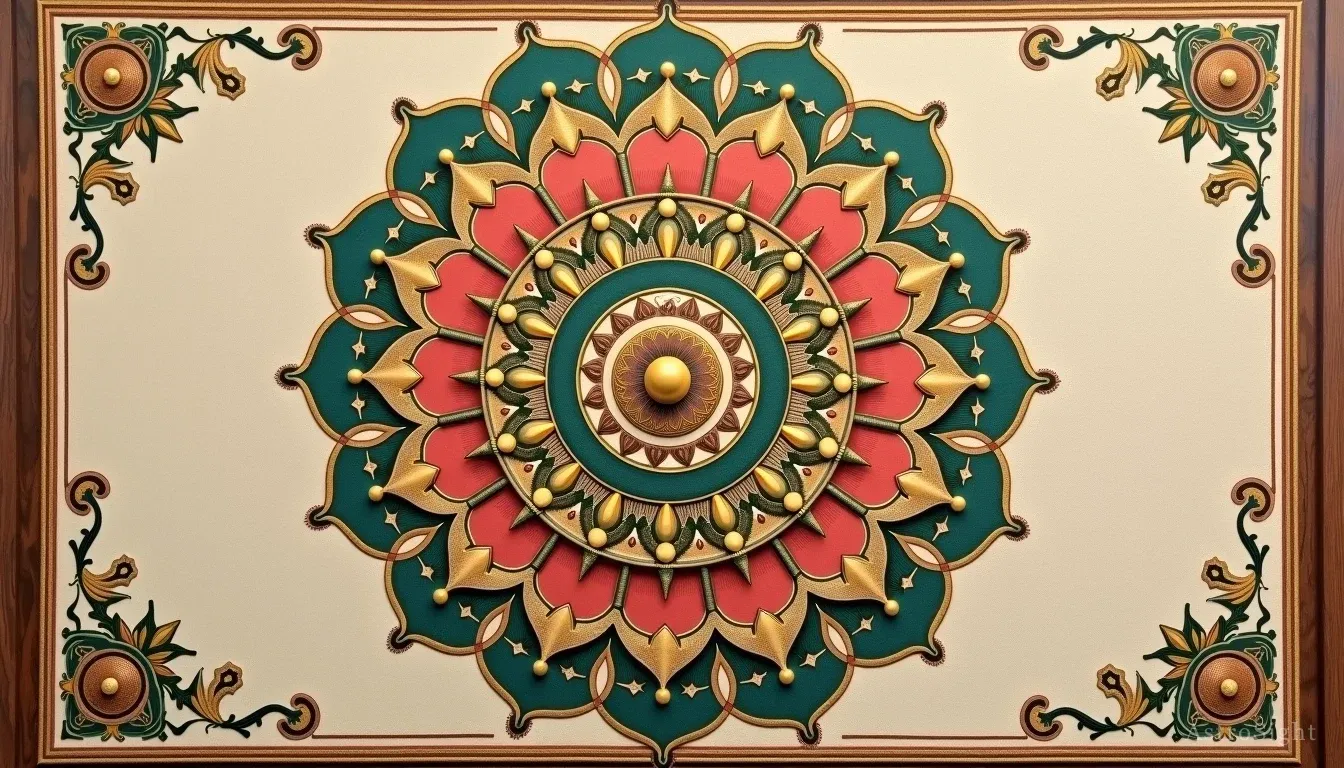
Sampoorna Mahalakshmi Yantra Puja: Complete Guide

The Sampoorna Mahalakshmi Yantra invokes all eight forms of Goddess Lakshmi (Ashta Lakshmi) through sacred geometry. Classical texts describe this comprehensive puja as addressing prosperity across material, spiritual, and relational dimensions.
What Are the Eight Lakshmi Forms in the Sampoorna Yantra?
The Sampoorna Mahalakshmi Yantra is a comprehensive sacred geometry that invokes all eight forms of Goddess Lakshmi—the Ashta Lakshmi—through a single powerful diagram. Unlike simple Lakshmi yantras that primarily address financial wealth, this "Sampoorna" (complete) version encompasses prosperity in all its dimensions: material abundance, spiritual fulfillment, health, courage, family blessings, victory, knowledge, and divine grace.
In my years of guiding devotees through prosperity practices, I've observed that financial wealth alone rarely creates lasting satisfaction. Clients who achieve material success often discover missing dimensions—health challenges, family discord, or spiritual emptiness that money cannot address. The Ashta Lakshmi framework, preserved in classical texts like the Lakshmi Tantra, recognizes this truth and provides a complete vision of prosperity.
The Eight Forms of Goddess Lakshmi
- Dhana Lakshmi (Wealth) — Governs money, gold, and material riches. The most commonly worshipped form, she blesses devotees with financial abundance and freedom from poverty.
- Dhanya Lakshmi (Grain) — Presides over food, agriculture, and nourishment. Her blessing ensures the household never faces hunger or scarcity of sustenance.
- Dhairya Lakshmi (Courage) — Bestows bravery, strength, and confidence. She provides the vitality and fearlessness needed to pursue and protect prosperity.
- Gaja Lakshmi (Royal Fortune) — Grants status, social respect, and influence. Depicted with elephants (Gaja), she blesses devotees with dignity and recognition.
- Santana Lakshmi (Progeny) — Blesses with children and family lineage. She ensures the continuation and welfare of the family across generations.
- Vijaya Lakshmi (Victory) — Grants success in endeavors and conquest of obstacles. She ensures that worthy efforts reach successful completion.
- Vidya Lakshmi (Knowledge) — Bestows education, skills, and intellectual wealth. She provides the knowledge necessary for both material and spiritual advancement.
- Adi Lakshmi (Primordial) — The original form representing spiritual prosperity and divine grace. She is the source from which all other forms emerge.
How the Yantra Encodes All Eight Forms
The Sampoorna Mahalakshmi Yantra's geometry incorporates eight lotus petals, each resonating with one Lakshmi form. The central bindu represents Adi Lakshmi—the primordial source from which all prosperity manifestations emerge. Surrounding geometric patterns create the vibrational field that invokes all eight energies simultaneously. The Yantra Chintamani describes how such integrated designs channel comprehensive divine blessing through a single point of worship.
This completeness is why the yantra is called "Sampoorna"—it leaves no prosperity dimension unaddressed. Having money without health creates suffering; success without family feels hollow; knowledge without application remains sterile. The comprehensive approach ensures balanced, sustainable prosperity that enriches all aspects of life.
When Should You Perform Sampoorna Mahalakshmi Yantra Puja?
Timing significantly influences the effectiveness of Lakshmi worship. Classical texts including the Muhurta Chintamani and various Tantric traditions specify optimal moments when the Goddess's blessing power is most accessible to sincere devotees.
Most Auspicious Occasions
Diwali Lakshmi Puja night stands as the single most powerful time for Mahalakshmi worship. Perform puja during Pradosh Kaal (twilight after sunset). The tradition holds that Goddess Lakshmi specifically descends to bless devotees on this sacred night, making it ideal for major yantra installations and comprehensive prosperity invocations.
Dhanteras (the 13th day of Krishna Paksha in Kartik month) specifically governs wealth and precious items. This day is excellent for yantra installation and initiating prosperity practices. Akshaya Tritiya is the day of "never-diminishing" fortune—whatever spiritual practice begins on this day is said to grow perpetually without decrease.
Every Friday (Shukravar) is Lakshmi's regular worship day, governed by Venus who shares Lakshmi's association with beauty, prosperity, and harmony. Shukla Paksha Fridays are especially powerful, with full moon (Purnima) Fridays being excellent for major prosperity work.
During Navaratri, the 3rd and 9th days specifically invoke prosperity aspects of the Divine Feminine. These days provide excellent opportunities for intensive Lakshmi yantra worship within the broader Goddess worship framework.
Lunar Phase Considerations
Installation and major pujas should occur during Shukla Paksha (waxing moon) when lunar energy supports growth and increase. Purnima (full moon) provides maximum blessing capacity. Classical texts consistently recommend avoiding Krishna Paksha (waning moon) for prosperity yantra installations, as the diminishing lunar energy symbolically conflicts with abundance intentions.
Time of Day
For installation puja, morning hours (7:00-11:00 AM) or evening twilight (6:00-8:00 PM) are preferred. Daily worship is ideally performed in the morning, though evening is acceptable for those with morning time constraints. Major Friday pujas traditionally occur during evening twilight when Venus's influence strengthens.
What Is the Complete Sampoorna Mahalakshmi Yantra Puja Vidhi?
The comprehensive puja procedure requires 60-90 minutes for full execution. This vidhi follows classical Tantric protocols while remaining accessible to household practitioners. Preparation, execution, and conclusion each carry importance.
Preparation (Day Before)
Clean the puja room thoroughly—physical cleanliness supports energetic purity. Gather all required materials: the yantra itself, Gangajal for purification, panchamrit (milk, curd, honey, ghee, sugar), rose water, saffron strands, red or pink silk cloth, copper plate, ghee lamps (ideally eight representing the eight forms, minimum five), camphor, incense, fresh flowers (red lotus being ideal, red roses and marigolds being excellent alternatives), eight varieties of fruit including pomegranate, sweets such as ladoo or kheer, dry fruits, turmeric-mixed rice (akshat), and betel leaves with nuts.
Observe vegetarian diet the day before. Maintain positive speech and thoughts. Plan for uninterrupted puja time.
Personal and Space Preparation (Puja Day)
Rise before sunrise and take a full bath, adding Gangajal if available. Wear clean traditional clothing in auspicious colors—red, pink, yellow, or white. Observe light fasting until after puja completion.
Sprinkle Gangajal throughout the puja room for energetic purification. Place the red or pink silk cloth on an elevated surface. Establish a copper kalash with water, mango leaves, and coconut in the northeast corner. Arrange the lamps in an octagonal pattern if using eight (representing the eight forms) or pentagon if using five. Place any silver coins or gold items near the space where the yantra will rest.
Yantra Purification and Installation
Hold the yantra and invoke Ganesha's blessing by chanting "Om Gam Ganapataye Namaha" three times—this removes obstacles to the puja's success. Sprinkle Gangajal on the yantra.
Perform Panchamrit Abhishekam, bathing the yantra with each of the five nectars while chanting the corresponding bija mantras: milk with "Om Shreem Namaha," curd with "Om Hreem Namaha," honey with "Om Kleem Namaha," ghee with "Om Aim Namaha," and sugar water with "Om Sauh Namaha"—three repetitions each.
Follow with rose water wash and saffron water wash (the saffron adds golden prosperity blessing). Dry the yantra with soft red cloth and place it on the copper plate upon the altar.
Ashta Lakshmi Invocation
Light all lamps and incense. Apply kumkum (vermillion) and chandan (sandalwood paste) to the central bindu of the yantra. Then invoke each Lakshmi form individually with 11 repetitions of their specific mantra, offering appropriate items:
- "Om Dhana Lakshmai Namaha" — Offer a coin or gold item
- "Om Dhanya Lakshmai Namaha" — Offer rice grains
- "Om Dhairya Lakshmai Namaha" — Offer with intention for strength
- "Om Gaja Lakshmai Namaha" — Offer flowers
- "Om Santana Lakshmai Namaha" — Offer kumkum
- "Om Vijaya Lakshmai Namaha" — Offer flowers
- "Om Vidya Lakshmai Namaha" — Offer a book or pen
- "Om Adi Lakshmai Namaha" — Offer lotus or red flower
Understand Your Prosperity Potential
Your birth chart reveals your wealth houses, Lakshmi yogas, and optimal timing for financial growth. Get personalized analysis of your prosperity indicators and favorable periods.
Get Your Career ReportWhat Is the Main Mantra Japa Practice?
Following the Ashta Lakshmi invocations, the main mantra japa forms the heart of the puja. The Mantra Mahodadhi describes this mantra as carrying the complete Mahalakshmi blessing when properly chanted with devotion and correct pronunciation.
Chant the primary Mahalakshmi mantra:
"Om Shreem Hreem Shreem Mahalakshmyai Namaha"
The minimum count is 108 repetitions for daily puja. For Friday intensives, 324 repetitions are recommended. For major occasions such as Diwali or yantra installation, complete 1,008 repetitions. Use a mala of lotus seeds, crystal, or tulsi beads for counting.
Visualization During Chanting
During mantra repetition, maintain vivid visualization. See the yantra glowing with golden light. Visualize the eight Lakshmi forms emerging from the eight petals, each blessing you with their specific prosperity. See Mahalakshmi at the center, radiant and benevolent, showering golden abundance upon you. Imagine your home and business filling with prosperity. Most importantly, cultivate deep gratitude and the feeling of abundance already present—this emotional state aligns you with the Goddess's blessing frequency.
Sri Suktam Recitation
If you know the Sri Suktam—the Vedic prosperity hymn from the Rig Veda Khilani—recite it following the mantra japa. This ancient text is considered the most powerful Vedic invocation of Lakshmi. If you haven't memorized it, listening to a recorded recitation with devotion also provides benefit. The Sri Suktam describes Lakshmi's qualities, her association with Lord Vishnu, and invokes her blessing for the devotee's welfare.
Concluding the Puja
Offer 108 flowers with "Om Mahalakshmyai Pushpanjali Samarpayami" (I offer this flower tribute to Mahalakshmi). Present all eight fruit varieties, sweets, and dry fruits. If relevant, place account books, business documents, or financial items before the yantra for specific blessing.
Offer akshat (turmeric rice) to the yantra. Perform aarti with camphor, circling the flame before the yantra while singing or chanting Lakshmi aarti if known. Apply kumkum from the yantra to your own forehead, receiving the Goddess's blessing directly. Offer full prostrations (sashtanga pranam) before the yantra. Conclude by expressing gratitude and stating your prosperity intentions clearly.
What Daily Practices Maintain Prosperity Blessing?
The installation puja establishes the yantra's power, but consistent daily practice sustains and directs its prosperity-generating energy. Classical texts emphasize that yantra worship follows the principle of Abhyasa—consistent, devoted engagement that compounds blessing over time.
Daily Morning Worship (10-15 Minutes)
After bathing, approach the altar with a settled, grateful mind. Light the lamp and incense. Offer fresh flowers—even one to three blossoms suffice for daily practice. Offer fresh water. Chant "Om Shreem Mahalakshmyai Namaha" 27-108 times depending on available time. Maintain brief visualization of prosperity flowing into your life. Conclude with pranams.
Friday Intensive (25-30 Minutes)
Every Friday, expand your practice. Complete 324 mantra repetitions. Offer a fresh flower garland. Include fruit and sweet offerings. Extend visualization time. Recite or listen to Sri Suktam. Make a charitable donation—even small amounts—as Lakshmi's energy flows through generosity. This weekly intensive maintains strong connection with the yantra's full power.
Monthly Purnima Observance
Each full moon, perform an abbreviated but complete puja. Include 540 mantra repetitions and special offerings. Review your financial situation before the yantra—not anxiously, but with awareness and intention. Set prosperity goals for the coming month. The full moon's complete lunar energy amplifies Lakshmi's blessing capacity.
Annual Diwali Renewal
Each Diwali, perform the complete installation puja again. Complete 1,008 mantra repetitions. Make comprehensive offerings. Replace any worn items. This annual renewal reconsecrates the yantra and renews your prosperity intentions for the coming year.
What Results Unfold from Consistent Practice?
The comprehensive nature of Sampoorna Mahalakshmi worship means results manifest across multiple life dimensions rather than solely in financial terms. Individual experiences vary based on karma, consistency of practice, and the specific prosperity dimensions requiring attention in each devotee's life.
Early Phase (First 21 Days)
Initial effects typically involve shifts in consciousness rather than external circumstances. Devotees often report an awakening sense of abundance—noticing the prosperity already present rather than focusing solely on lack. Financial anxiety begins reducing. Small synchronicities appear: unexpected small gains, timely opportunities, supportive encounters. These subtle signs indicate the yantra's energy is engaging with your life.
Developmental Phase (Days 21-60)
Multi-dimensional improvements typically emerge during this period. Income opportunities may begin appearing or increasing. Health and vitality often improve (Dhairya Lakshmi's blessing). Family relationships harmonize (Santana aspect). Learning becomes easier and knowledge acquisition accelerates (Vidya aspect). Social respect and professional recognition may increase (Gaja aspect). The comprehensive nature of the puja means different devotees notice improvements in different areas first, depending on where blessing is most needed.
Established Practice (60+ Days)
With sustained practice, comprehensive prosperity patterns establish themselves. Financial growth becomes more sustained. Nourishment in all forms—food, relationships, experiences—flows abundantly (Dhanya aspect). Victory in important matters becomes more common (Vijaya aspect). Spiritual depth develops alongside material prosperity (Adi Lakshmi's blessing). The overall pattern of scarcity transforms into a pattern of abundance across all eight dimensions.
Signs the Puja Is Working
Watch for these indicators: dreams featuring Lakshmi, lotuses, or gold; unexpected financial gains even if small; opportunities appearing at the right moment; increased generosity from others toward you; feeling abundant regardless of current bank balance; family harmony improving; health and energy increasing; knowledge and skills developing; and a general sense that you are held in divine grace.
The Sampoorna Mahalakshmi Yantra puja represents the most comprehensive approach to prosperity in the Vedic tradition. By invoking all eight forms of Goddess Lakshmi through sacred geometry and devoted worship, it addresses prosperity in its complete, multidimensional expression. True wealth encompasses far more than money—and this puja helps manifest that complete vision of abundant life.
May Goddess Mahalakshmi bless you with prosperity in all eight forms. Om Shreem Mahalakshmyai Namaha.
Explore Astrosight Services
Personalized Report
Career Report Bundle
Your Navamsa and Dashamsha are covered in your Career Report — see your exact vocational path
- Personalized analysis based on YOUR exact birth chart
- Expert-prepared by Dr. Meenakshi Sharma
- Delivered as PDF within 24-48 hours
- Unlimited follow-up clarifications
By Dr. Meenakshi Sharma · Delivered in 24-48 hours

Dr. Meenakshi Sharma
PhD in Vedic Astrology, 20+ Years Experience
18 + Years of Experience
100+ Readers
Dr. Meenakshi Sharma is a distinguished Vedic astrologer with a PhD in Vedic Astrology and over 20 years of professional experience in the ancient science of Jyotisha. Her extensive practice encompasses thousands of chart readings, predictive analyses, and remedial consultations, making her uniquely qualified to bridge traditional Vedic wisdom with contemporary applications. As a contributing writer for AstroSight, Dr. Sharma specializes in natal chart analysis, predictive astrology, and Vedic remedial measures, sharing her deep knowledge through insightful articles that make complex astrological concepts accessible to practitioners at all levels. Her approach combines rigorous academic training with ethical consultation standards, empowering clients through education and practical guidance while maintaining authentic adherence to classical Vedic principles.