Kanakdhara Yantra Puja Vidhi: Complete Ritual Guide

Master the Kanakdhara Yantra puja vidhi to invoke Lakshmi's 'golden rain' blessing. This guide covers authentic rituals from the Shankaracharya tradition, proper mantras, auspicious timing, and step-by-step installation procedures from classical sources.
What Is the Kanakdhara Yantra and Its Sacred Origin?
The Kanakdhara Yantra puja vidhi represents one of the most revered prosperity traditions in Hindu spirituality, rooted in a miraculous event from the life of Adi Shankaracharya. Understanding this origin illuminates why the Kanakdhara carries such distinctive power for addressing poverty and invoking sudden abundance.
According to hagiographic accounts preserved in texts like the Shankara Digvijaya, the young sannyasi Shankara was wandering through a village when he stopped at a poor Brahmin woman's home seeking bhiksha (alms). Despite her extreme poverty—she possessed virtually nothing—she offered him her last dried amla (gooseberry) with complete devotion.
Moved by her selfless generosity, Shankaracharya composed the Kanakdhara Stotram on the spot—twenty-two verses of exquisite poetry praising Goddess Lakshmi and invoking her compassion. As he completed the final verse, golden gooseberries rained from the sky, filling the woman's home with wealth. The name "Kanakdhara" itself means "flow of gold" or "stream of gold," commemorating this miraculous shower.
The Yantra as Encoded Blessing
The Kanakdhara Yantra represents this stotram's power rendered in sacred geometry. The Yantra Chintamani explains that yantras encode mantric and stotra energies in visual form, creating permanent vessels for divine presence. The Kanakdhara Yantra's geometric patterns specifically channel Lakshmi's "golden rain" blessing—her compassionate response to genuine need combined with selfless generosity.
Several features distinguish this yantra from standard prosperity instruments:
- Poverty-specific design — Created specifically for transforming scarcity into abundance, not merely enhancing existing prosperity
- Shankaracharya lineage — Carries the spiritual authority of one of India's greatest acharyas
- Compassion activation — Designed to invoke Lakshmi's motherly response to genuine need
- Sudden transformation tradition — Associated with dramatic rather than merely gradual wealth shifts
The Yantra's Sacred Geometry
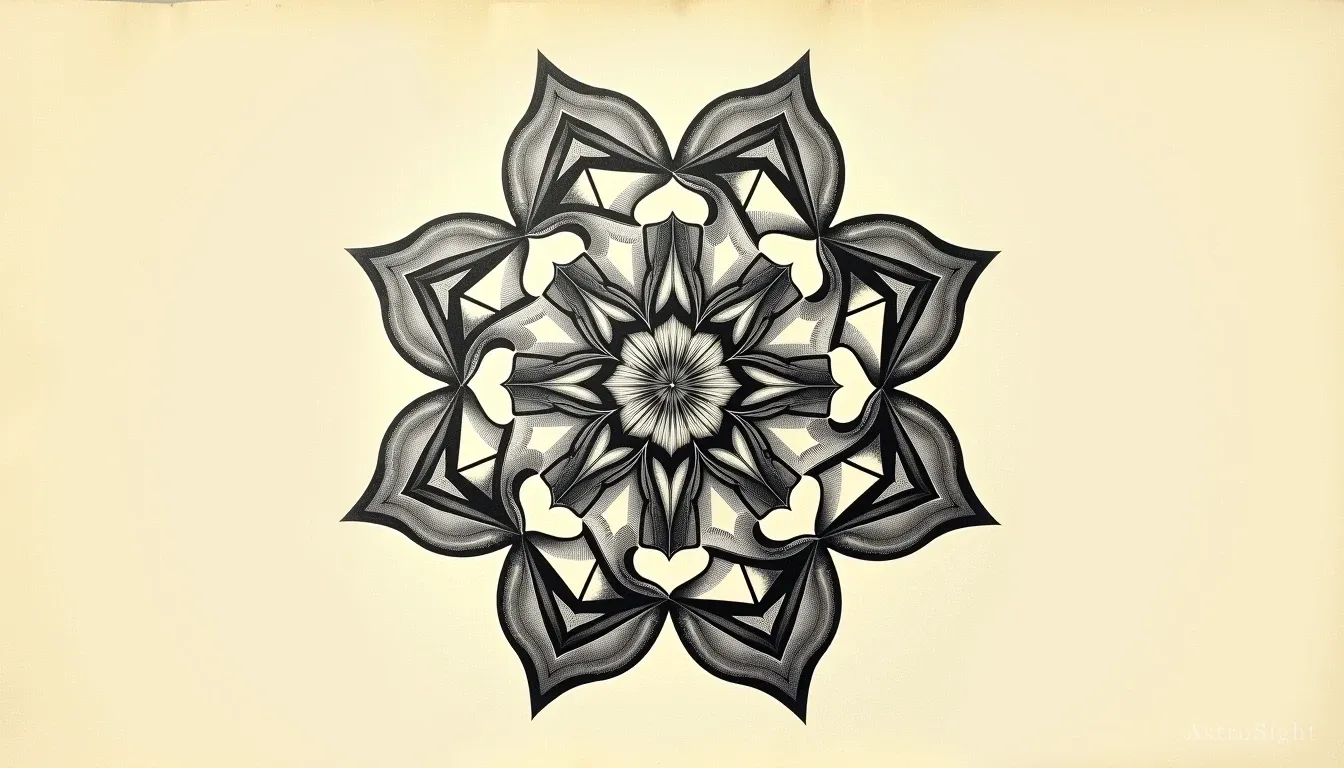
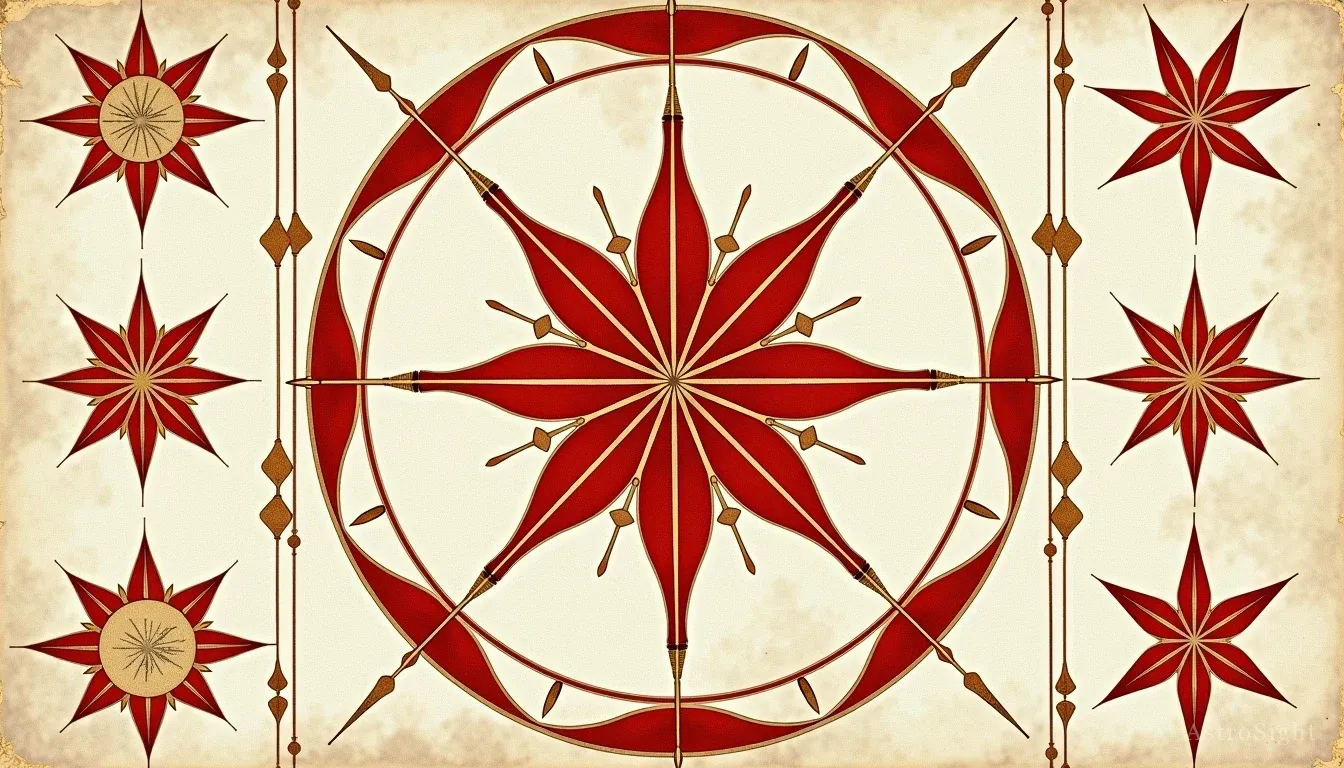
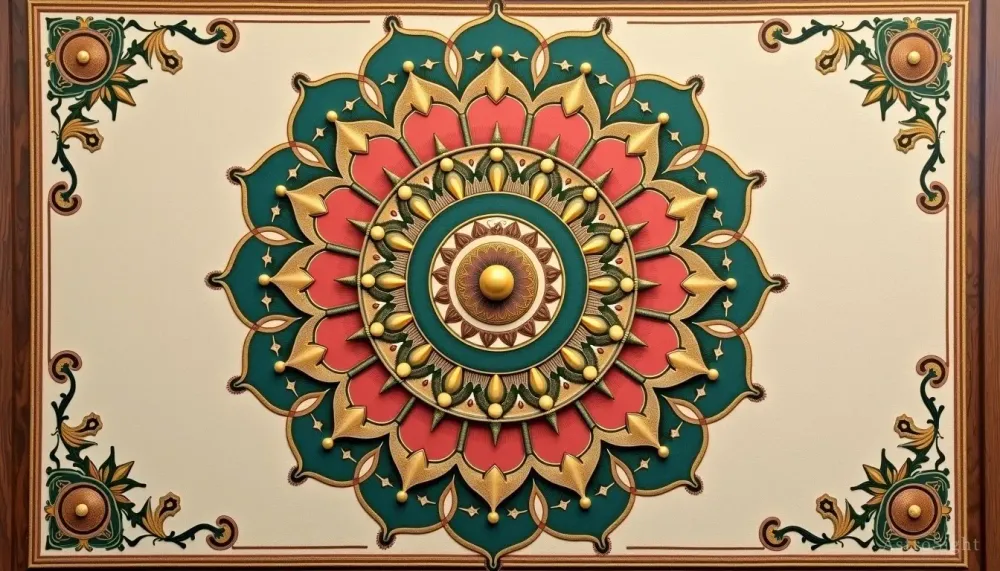
Classical yantra texts describe the Kanakdhara Yantra's components and their significance. The central point (bindu) contains the Shreem beeja—Lakshmi's seed syllable representing her essential nature. Surrounding lotus petals, typically eight, represent the Ashta-Lakshmi—the eight forms of prosperity including wealth, courage, progeny, success, wisdom, strength, food-grain, and victory.
Downward-pointing triangular elements symbolize the "raining down" of abundance—energy descending from divine realms into material manifestation. The bhupura (outer square) with its gates represents the grounding of this celestial wealth into the practitioner's earthly life, with entry points through which prosperity can flow.
In my experience guiding practitioners through Kanakdhara sadhana, those who understand this symbolic structure engage more deeply with the practice. The yantra isn't merely a magical object but a meditation focus encoding profound truths about abundance, generosity, and divine grace.
When Is the Most Auspicious Time for Kanakdhara Puja?
Proper timing significantly influences the Kanakdhara Yantra puja vidhi's effectiveness. The Muhurta Chintamani and related texts provide detailed guidance on selecting optimal moments for installation and intensive worship.
Optimal Days for Installation
Friday (Shukravar) stands as the most auspicious day for Kanakdhara Yantra installation. Venus, who governs Friday, rules material prosperity, beauty, and abundance—naturally resonating with Lakshmi's domain. Thursday (Guruvar), governed by Jupiter, offers a worthy alternative when Friday timing proves impractical, as Jupiter brings wisdom to wealth matters.
Certain special occasions carry exceptional power for Kanakdhara practice:
- Dhanteras — The thirteenth day of Krishna Paksha in Ashwin month; considered supremely powerful for wealth practices
- Diwali night — The primary Lakshmi worship occasion of the year; exceptional for installation or intensive puja
- Akshaya Tritiya — Whatever begins on this day is said never to diminish; ideal for abundance practices
- Fridays during Navaratri — Combining Venus energy with the nine nights of Devi worship
Lunar Phase Requirements
Classical injunctions strictly require Shukla Paksha (the waxing moon period) for yantra installation. The growing lunar energy supports growth, manifestation, and new beginnings. Purnima (full moon) carries maximum lunar energy—a Friday Purnima creates an exceptionally auspicious combination.
Amavasya (new moon) is generally avoided as lunar energy is at its lowest ebb. The notable exception is Diwali Amavasya, which carries special dispensation due to the festival's unique spiritual significance—the darkest night illuminated by countless lamps symbolizes light emerging from darkness, perfectly aligned with the Kanakdhara's poverty-to-abundance transformation.
Favorable Nakshatras
The Muhurta Chintamani identifies specific nakshatras as particularly conducive to wealth practices:
- Pushya — Considered most auspicious for nearly all material undertakings; "the nourisher"
- Rohini — Moon's exaltation nakshatra; associated with fertility, growth, and material prosperity
- Hasta — Governs skill, craftsmanship, and the ability to manifest through action
- Shravana — Associated with Vishnu; supports wealth through knowledge and righteous means
- Revati — Represents safe arrival at prosperity; favorable for wealth journeys
Daily Timing Considerations
For the installation ceremony itself, Brahma Muhurta (approximately 4:00-6:00 AM) is considered ideal—the pre-dawn period when spiritual energies are most accessible. If this proves impractical, the first two hours after sunrise carry growing energy suitable for new beginnings.
The Godhuli period (cow-dust time, around sunset) is traditionally associated with Lakshmi worship and serves well for evening ceremonies. Avoid conducting major rituals after 10:00 PM, as the texts describe energy dispersing during late night hours.
Planetary hours (hora) offer additional refinement: Venus hora provides optimal conditions for Lakshmi-related practices, with Jupiter hora as a secondary choice. Consult a panchang or hora calculator to determine these times for your specific location and date.
What Materials Are Required for Proper Kanakdhara Puja?
Gathering proper materials before beginning ensures uninterrupted ritual flow and complete energetic activation. The Mantra Mahodadhi emphasizes that preparation itself constitutes part of the worship—the care taken in assembling materials reflects devotional sincerity.
The Kanakdhara Yantra Itself
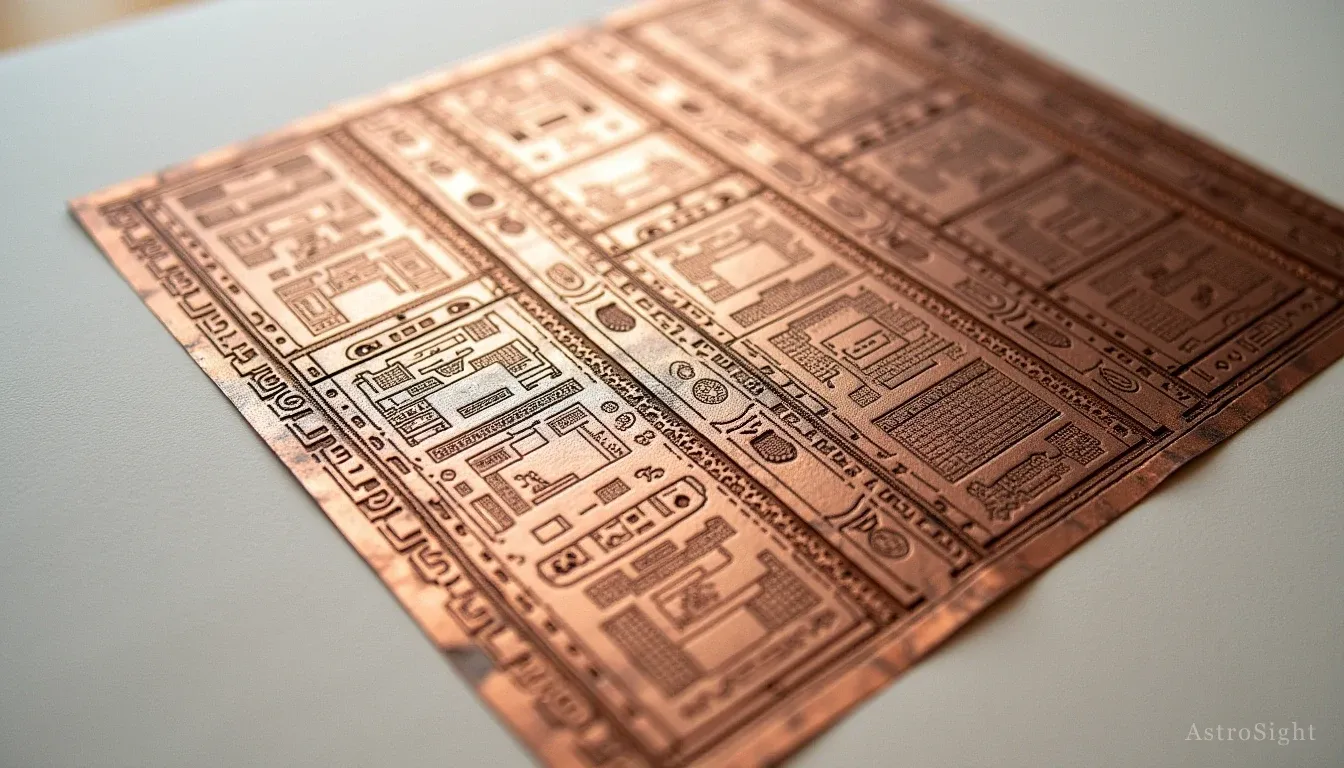
The yantra should be made of copper, which classical texts recommend for wealth-related yantras due to copper's association with Venus. Silver or gold-plated copper serve as premium options for those able to afford them. Standard sizing ranges from 3×3 to 6×6 inches, with 4×4 inches being typical for home worship.
When selecting a yantra, verify:
- Geometric precision—symmetrical patterns without distortion
- Clear engraving without defects or incomplete lines
- Reputable source with knowledge of proper yantra construction
Purification Materials
- Gangajal (Ganges water) — For initial cleansing and space purification; approximately 250ml
- Panchamrit — The five nectars: milk (100ml), yogurt (50ml), honey (2 tbsp), ghee (2 tbsp), sugar (2 tbsp)
- Rose water — For final purification rinse; approximately 50ml
- Soft cloths — Two pieces: one for drying the yantra, one for altar covering
Altar Setup Materials
- Red or yellow cloth — For the altar base; silk preferred, clean cotton acceptable
- Copper plate — To hold the yantra during worship
- Copper kalash — Water pot filled with water, mango leaves, and coconut on top
- Small brass or copper bowl — For holding smaller offerings
Illumination and Fragrance
- Ghee lamps (diyas) — Five lamps for the traditional Pancha-Deepa arrangement
- Camphor — For aarti at the puja's conclusion
- Incense — Rose, jasmine, or lotus fragrance preferred
Offerings (Naivedya)
The offerings hold symbolic significance. Amla (gooseberry) is essential—it connects directly to the Kanakdhara origin story. Even dried amla carries the symbolic power of the poor woman's original offering.
- Flowers — Red lotus if available, red roses, marigold, or jasmine; minimum 21 flowers
- Fruits — Five varieties: traditionally banana, apple, pomegranate, coconut, and seasonal fruit
- Sweets — Kheer (rice pudding), ladoo, or halwa
- Dry fruits — Almonds, cashews, and raisins
- Gold items — Even temporarily: a gold ring, chain, or coin placed near the yantra during worship
Personal Preparation Items
- Clean traditional clothing — White, yellow, or red; preferably new or freshly laundered
- Prayer mala — Crystal (sphatik), lotus seed, or tulsi for mantra counting
- Asana — Woolen or silk mat for sitting; cotton acceptable
- Copy of Kanakdhara Stotram — For recitation during the ceremony
Understand Your Wealth Timing Through Your Chart
Your birth chart reveals favorable and challenging periods for financial growth. Knowing your dasha periods and wealth-house activations helps you time prosperity practices for maximum effect.
Get Your Career ReportWhat Is the Complete Step-by-Step Kanakdhara Yantra Puja Vidhi?
The complete Kanakdhara Yantra puja vidhi typically requires 60-90 minutes for thorough execution. The ritual proceeds through distinct phases, each building upon the previous to create a complete energetic activation.
Preparation Phase (Day Before)
Preparation begins the day before installation. Select your installation date according to the timing principles discussed above. Clean the puja room or designated space thoroughly—physical cleanliness supports energetic purity. Gather and arrange all materials to ensure nothing is missing when the ceremony begins.
Observe vegetarian diet on this day—the Tantra Sara recommends sattvic food preparation before major rituals. Retire early with a peaceful mind, perhaps spending time in quiet contemplation of your intention for the practice.
Personal Purification
On the puja day, wake before sunrise—ideally during Brahma Muhurta. Take a full bath, adding Gangajal or turmeric to the water for additional purification. Wear clean clothes in white, yellow, or red—colors associated with purity, abundance, and divine feminine energy respectively.
Before approaching the altar, sit quietly and formulate your sankalpa (intention). Be clear about what you are seeking and why. The Kanakdhara tradition responds particularly to genuine need expressed with humility—approach as the poor woman did, offering what you have with complete sincerity.
Space Preparation
Sprinkle Gangajal throughout the puja space while mentally invoking purification. Set up the altar on an elevated surface—a dedicated table, shelf, or platform—facing east. Place the red or yellow cloth as the altar's foundation. Establish the kalash in the northeast corner, representing the presence of sacred waters and divine energy.
Arrange offerings systematically: flowers on the left, fruits on the right, sweets before the central space. Place the copper plate at the altar's center—this will hold the yantra after purification.
Yantra Purification
Hold the yantra and chant "Om Gam Ganapataye Namaha" three times while sprinkling Gangajal over it—invoking Ganesha to remove any obstacles to the installation.
Perform the Panchamrit Abhishekam, pouring each of the five substances over the yantra while chanting:
- Milk: "Om Shreem Namaha" (three times)
- Yogurt: "Om Hreem Namaha" (three times)
- Honey: "Om Kleem Namaha" (three times)
- Ghee: "Om Aim Namaha" (three times)
- Sugar: "Om Sauh Namaha" (three times)
Rinse with pure water to remove the panchamrit, then give a final rinse with rose water. Dry gently with a soft cloth—never air-dry or use heat. Place the purified yantra on the copper plate at the altar's center.
Prana Pratishtha: The Core Ritual
Light all five ghee lamps in the Pancha-Deepa arrangement and light the incense. Begin with Ganesha invocation—chant "Om Gam Ganapataye Namaha" twenty-one times. Perform seven rounds of alternate nostril breathing (Nadi Shodhana) to balance your own energies.
The Nyasa practice establishes the deity's presence through your own body. Touch each body part while chanting the corresponding mantra, feeling Lakshmi's energy awakening within you. Place flowers on the yantra while declaring: "Om Kanakdhara Yantrasya Prana Pratishtha Karomi"—"I establish life-force in the Kanakdhara Yantra."
Now begin the primary mantra japa. Chant the Kanakdhara Yantra mantra 108 times, using your mala for counting:
"Om Shreem Hreem Kleem Shreem Siddhilakshmyai Namaha"
Keep your gaze fixed on the yantra's central bindu throughout. If possible, follow the mantra japa with recitation of the complete Kanakdhara Stotram—Adi Shankaracharya's original twenty-two verses. This connects your practice directly to the saint's blessing.
During or after the recitation, close your eyes and visualize: golden light emanating from the yantra, Goddess Lakshmi's form appearing within that light, golden gooseberries or coins raining from above, filling your home with golden abundance. Feel the reality of this blessing, not as future hope but as present grace.
Apply kumkum and sandalwood paste to the yantra's central bindu, marking the seat of the goddess.
Offerings and Conclusion
Present each offering with its corresponding mantra:
- "Om Lakshmi Devyai Pushpani Samarpayami" (flowers)
- "Om Lakshmi Devyai Phalaani Samarpayami" (fruits)
- "Om Lakshmi Devyai Naivedyam Samarpayami" (sweets)
- "Om Lakshmi Devyai Amla Samarpayami" (gooseberry—the most significant offering)
Perform aarti with lit camphor while singing or mentally reciting a Lakshmi aarti. Offer flower petals with both hands (pushpanjali) while bowing deeply. Speak your specific intention clearly—what you need and why you seek Lakshmi's grace.
Conclude with "Om Shanti Shanti Shanti." Distribute prasad to family members. Maintain relative silence for one to two hours following the ceremony. Take only sattvic food for the remainder of the day.
How Should You Maintain Daily Worship After Installation?
The initial installation ceremony activates the yantra, but consistent daily worship maintains its active energy and deepens your connection with Goddess Lakshmi. The Mantra Mahodadhi emphasizes that regular, modest practice surpasses occasional elaborate worship in generating sustained results.
Morning Daily Routine
A complete yet practical morning worship takes 10-15 minutes:
After morning ablutions, approach the altar with mental prostrations. Light a single ghee lamp (sufficient for daily worship) and incense. Offer fresh water in a small cup—change this daily. If fresh flowers are available, offer one; otherwise, your devotion itself serves as offering.
Chant the Kanakdhara mantra minimum 27 times, ideally 108:
"Om Shreem Hreem Kleem Shreem Siddhilakshmyai Namaha"
Maintain focus on the yantra during japa. Follow with 2-3 minutes of silent meditation, gazing at the yantra's central bindu. Conclude with prostrations and expressed gratitude.
Evening Practice
A brief evening acknowledgment takes just 5 minutes: light the lamp, chant the mantra 11 times, express gratitude, and bow. This evening touch maintains continuous connection throughout each day.
Friday Enhanced Worship
Venus's day calls for enhanced practice. Extend your morning routine to 20-30 minutes:
- Extended japa — 108 to 324 mantra repetitions
- Complete Kanakdhara Stotram recitation
- Special offerings — kheer, lotus or roses, fresh fruits
- Extended meditation — 15 minutes rather than 2-3
- Charitable giving — donations to women, children, or those in need
The 40-Day Anushthana
For establishing deep connection with Lakshmi through the Kanakdhara tradition, classical texts prescribe a 40-day (mandala) intensive practice. Begin on a Friday during Shukla Paksha. Maintain unbroken daily worship throughout—traditionally, missing a day requires restarting the count.
During the anushthana, observe vegetarian diet throughout, practice celibacy, avoid harsh speech and negative thinking about money or others. Increase daily japa to 108 repetitions both morning and evening. Many practitioners report that this 40-day period catalyzes significant shifts in their relationship with abundance—not merely changes in circumstance but transformation of consciousness itself.
Annual Renewal
Mark these occasions for enhanced worship each year:
- Diwali — Complete re-energization following the original installation procedure
- Dhanteras — Major wealth reinforcement ritual
- Akshaya Tritiya — Special abundance activation
- Your birth tithi each month — Personal connection enhancement
What Results Can You Realistically Expect?
The Kanakdhara tradition is associated with both sudden and gradual wealth manifestation. Authentic classical texts are clear about how yantra practice works—and maintaining realistic expectations supports sustained practice rather than disappointment.
How the Blessing Manifests
The Yantra Chintamani describes yantra effects as working through multiple channels. First, the practice transforms the practitioner's consciousness—clearing poverty mentality, reducing financial anxiety, and opening perception to opportunities previously invisible. Second, consistent worship accumulates spiritual merit (punya) that shifts karmic circumstances. Third, the deity's grace responds to sincere devotion in ways that may transcend ordinary causation.
The "golden rain" associated with Kanakdhara may manifest as:
- Unexpected income — gifts, bonuses, recovered debts, forgotten assets
- New opportunities — career advancement, business openings, beneficial connections
- Debt resolution — pathways opening for clearing financial obligations
- Protection from loss — prevented misfortune that might otherwise have occurred
- Improved decisions — enhanced financial judgment and timing
Signs of Progress
Practitioners commonly report these signs indicating the practice is taking effect:
- Inner shifts — Reduced panic about money matters, sense of being supported
- Dream activity — Dreams featuring gold, rain, Lakshmi, or abundance imagery
- Small synchronicities — Minor unexpected funds, reduced unnecessary expenses
- Generosity capacity — Ability to give without fear of lack
- Peace during practice — Deep calm during worship regardless of external circumstances
These subtle signs typically precede tangible financial shifts. Classical texts advise noting and appreciating these internal transformations—they represent genuine progress even when external circumstances haven't yet shifted visibly.
Important Understandings
The Kanakdhara Yantra amplifies your existing efforts—it doesn't replace the need for practical action. The original story demonstrates this: the poor woman gave what she had, and Lakshmi responded. Continue working, planning, and seeking opportunities while the yantra practice opens channels for grace to flow.
Karmic factors influence both speed and magnitude of results. Those with heavy karmic debt may experience slower manifestation than those with lighter loads. Genuine need typically produces faster results than mere desire for more—the Kanakdhara tradition specifically addresses poverty rather than greed.
Perhaps most importantly: generosity accelerates the flow. The original blessing came in response to selfless giving despite poverty. Practitioners who give—even modestly—despite their circumstances often report faster and more complete results. This isn't magic but alignment with the fundamental principle the Kanakdhara embodies: abundance flows through those who allow it to flow through them.
Integrating Kanakdhara Practice with Your Spiritual Life
The Kanakdhara Yantra works most powerfully when integrated into a coherent spiritual life rather than treated as an isolated wealth tool. Adi Shankaracharya himself was a jnana yogi and advaitin—his composed the stotram not as a prosperity formula but as an expression of devotion that moved the goddess to compassionate response.
The poor woman's offering wasn't calculated to produce a specific return—she gave her last possession simply because she wanted to serve the saint. This selfless quality, more than any technique, invoked Lakshmi's grace. As you develop your Kanakdhara practice, cultivate this spirit: approach the goddess with genuine devotion rather than mere transaction, give generously despite your circumstances, and trust that abundance follows alignment with universal generosity.
After your financial situation improves—as many practitioners report it does—continue daily worship in gratitude. Maintain your connection with the energy that helped you. Increase charitable giving proportionally to income increase, creating a virtuous cycle where generosity attracts more abundance. Many practitioners maintain lifelong relationship with their Kanakdhara Yantra, progressing from desperate need to grateful stewardship of blessings received.
The Kanakdhara carries the blessing of one of India's greatest saints, offering a direct pathway to Lakshmi's "golden rain." Whether facing chronic poverty or sudden financial crisis, this yantra—properly installed and worshipped—can invoke the same miraculous transformation that blessed the poor woman who gave her last gooseberry.
May Goddess Lakshmi's golden rain bless your home with abundance. Om Shreem Mahalakshmyai Namaha.
Explore AstroSight Services
Personalized Report
Career Report Bundle
Your Navamsa and Dashamsha are covered in your Career Report — see your exact vocational path
- Personalized analysis based on YOUR exact birth chart
- Expert-prepared by Dr. Meenakshi Sharma
- Delivered as PDF within 24-48 hours
- Unlimited follow-up clarifications
By Dr. Meenakshi Sharma · Delivered in 24-48 hours

Dr. Meenakshi Sharma
PhD in Vedic Astrology, 20+ Years Experience
18 + Years of Experience
100+ Readers
Dr. Meenakshi Sharma is a distinguished Vedic astrologer with a PhD in Vedic Astrology and over 20 years of professional experience in the ancient science of Jyotisha. Her extensive practice encompasses thousands of chart readings, predictive analyses, and remedial consultations, making her uniquely qualified to bridge traditional Vedic wisdom with contemporary applications. As a contributing writer for AstroSight, Dr. Sharma specializes in natal chart analysis, predictive astrology, and Vedic remedial measures, sharing her deep knowledge through insightful articles that make complex astrological concepts accessible to practitioners at all levels. Her approach combines rigorous academic training with ethical consultation standards, empowering clients through education and practical guidance while maintaining authentic adherence to classical Vedic principles.