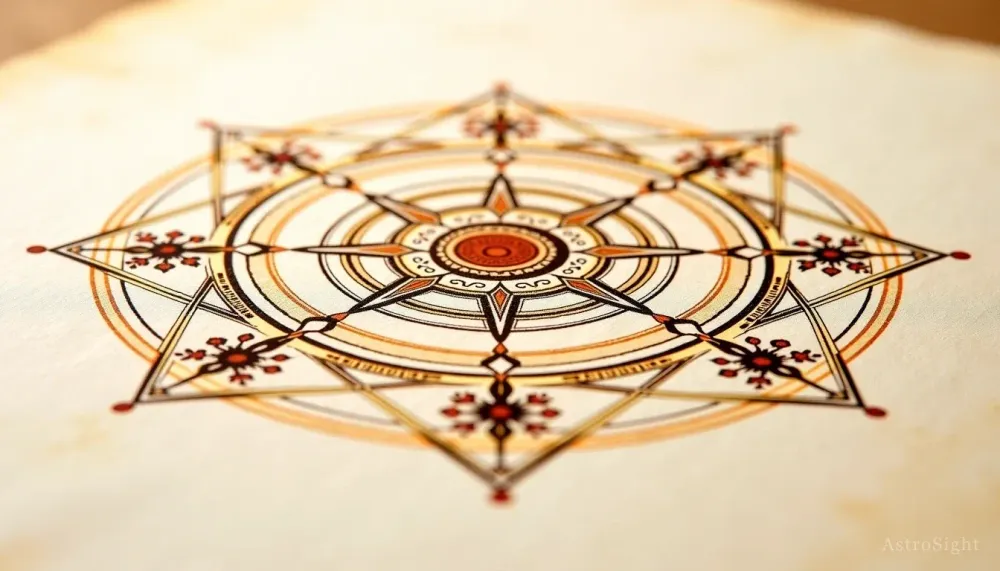
How to Energize Sri Yantra at Home: Complete Guide

The Sri Yantra requires proper prana pratishtha before channeling divine energy. Learn the complete home energization ritual with mantras, timing, and placement from classical Tantra traditions.
What Is the Sri Yantra and Why Does It Need Energization?
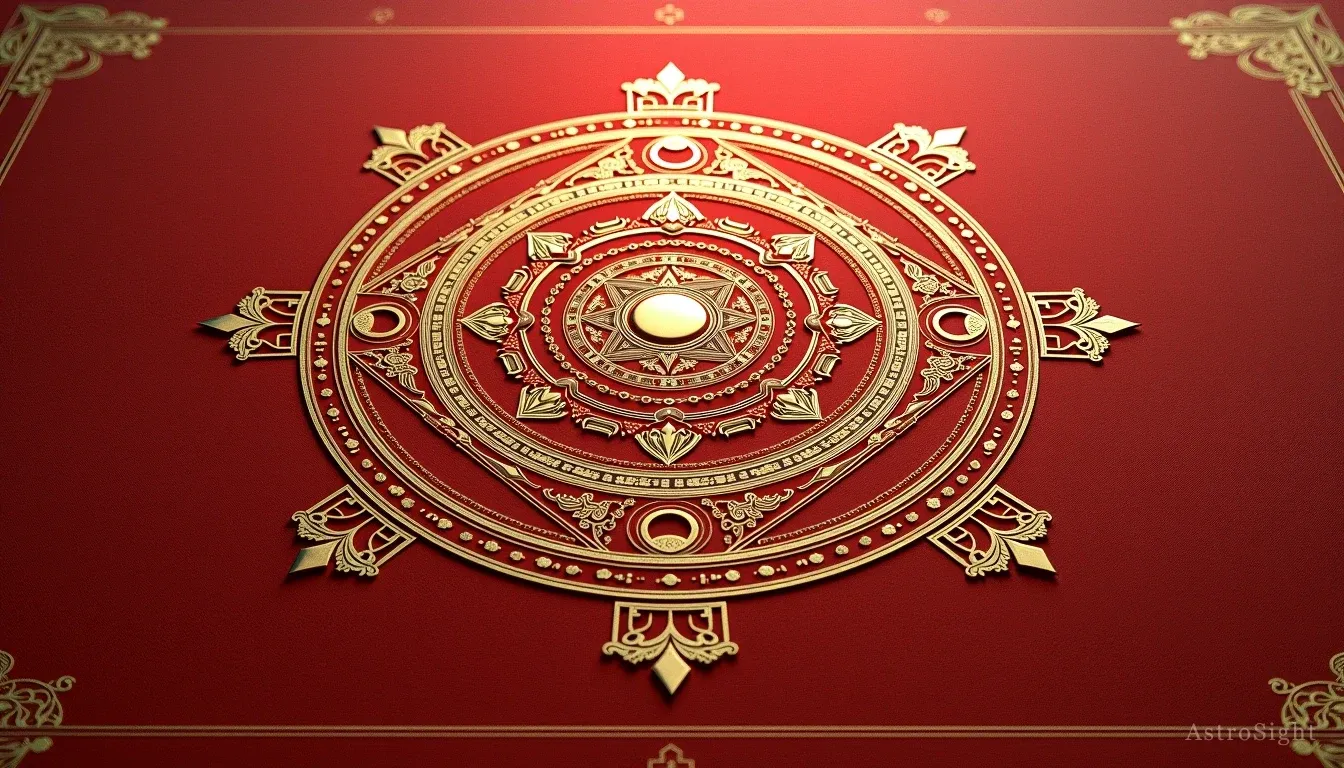
The Sri Yantra—also called Shri Chakra—stands as the most revered yantra in Vedic tradition, representing the cosmic manifestation of the Divine Mother in her aspect as Tripura Sundari or Lalita Mahatripurasundari. This sacred geometry consists of nine interlocking triangles: four pointing upward representing Shiva (masculine/consciousness) and five pointing downward representing Shakti (feminine/energy), surrounding a central bindu and enclosed by lotus petals and a square bhupura.
The Saundaryalahari of Adi Shankaracharya describes the Sri Yantra as the visual form of the primordial sound—the geometry of creation itself. The Yantra Chintamani explicitly calls it the "King of Yantras" (Yantra Raja) because it contains all other yantras within its structure. Working with Sri Yantra is traditionally considered equivalent to working with the entire yantra pantheon simultaneously.
However, an un-energized yantra is like an unlit lamp—the structure exists but produces no light. The geometric patterns are designed to receive, hold, and transmit specific cosmic frequencies, but this capacity must be activated through prana pratishtha (establishing life force). Without this ritual invitation of divine consciousness, the yantra remains a beautiful but spiritually dormant diagram.
Why the Sri Yantra Is Called "King of Yantras"
- Complete representation — Contains all other yantras within its geometry according to the Tantraloka
- Universal benefits — Addresses prosperity, health, relationships, protection, and spiritual growth in one instrument
- Highest vibration — Resonates with the primordial sound "OM" and the unified field of consciousness
- Planetary harmony — The nine triangles correspond to the navagrahas, harmonizing all planetary influences
Signs Your Sri Yantra Needs Energization
In my experience guiding practitioners through yantra sadhana, these signs indicate a dormant or weakened Sri Yantra: no tangible shift in household energy after installation, family members feeling indifferent to the yantra's presence, absence of dreams or intuitive connections, and the yantra feeling like an object rather than a living presence. Conversely, a properly energized yantra creates a palpable sense of peace, attracts spontaneous attention, and gradually improves household harmony.
When Is the Best Time to Energize a Sri Yantra at Home?
The timing of Sri Yantra energization significantly affects its potency. The Muhurta Chintamani and other classical texts on electional astrology identify specific days, lunar phases, and planetary hours that amplify ritual effectiveness. Understanding these principles helps you choose an auspicious moment for prana pratishtha.
Optimal Days for Sri Yantra Energization
- Friday (Shukra-var) — The optimal day, ruled by Venus who governs love, beauty, and abundance. Venus resonates powerfully with the Sri Yantra's Lakshmi energy.
- Monday (Soma-var) — The Moon's day supports emotional harmony and maternal blessings associated with the Divine Mother.
- Purnima (Full Moon) — Maximum lunar energy enhances any spiritual practice. Full moon Fridays are exceptionally auspicious.
Lunar Phase Considerations
Shukla Paksha (waxing moon) is required for energization. The growing moon supports new beginnings and increasing energy. The Mantra Mahodadhi specifically prohibits yantra installation during Krishna Paksha, as the waning energy contradicts the activation process. The 2nd, 3rd, 5th, 7th, 10th, 11th, and 13th tithis are particularly favorable according to classical muhurta texts.
Planetary Hours (Hora)
Venus Hora is ideal for Sri Yantra energization—calculate based on sunrise time in your location. Jupiter Hora is also favorable, especially for the spiritual dimensions of the yantra. Avoid Rahu and Saturn Hora, as these can create obstacles in the activation process. You can find hora calculators online or in traditional Vedic astrology tools.
Special Occasions for Energization
Certain festivals carry exceptional potency for Sri Yantra prana pratishtha: Akshaya Tritiya (anything begun grows perpetually), Navratri (any of the nine nights dedicated to the goddess), Diwali (Lakshmi Puja night is among the most powerful), Vasant Panchami (excellent for wisdom aspects), and your birthday (personal astrological significance amplifies results).
If ideal timing isn't possible, Friday during Shukla Paksha is the minimum requirement. Perform the ritual during Venus Hora if calculable, or during morning hours (6:00 AM to 10:00 AM) when pranic energy is fresh and rising.
What Materials Do You Need for Sri Yantra Energization?
Proper preparation of materials before the ritual ensures smooth, uninterrupted energization. The Yantra Chintamani emphasizes gathering everything the day before and arranging items systematically. Interrupting prana pratishtha to search for missing items disrupts the ritual's continuity and effectiveness.
The Sri Yantra Itself
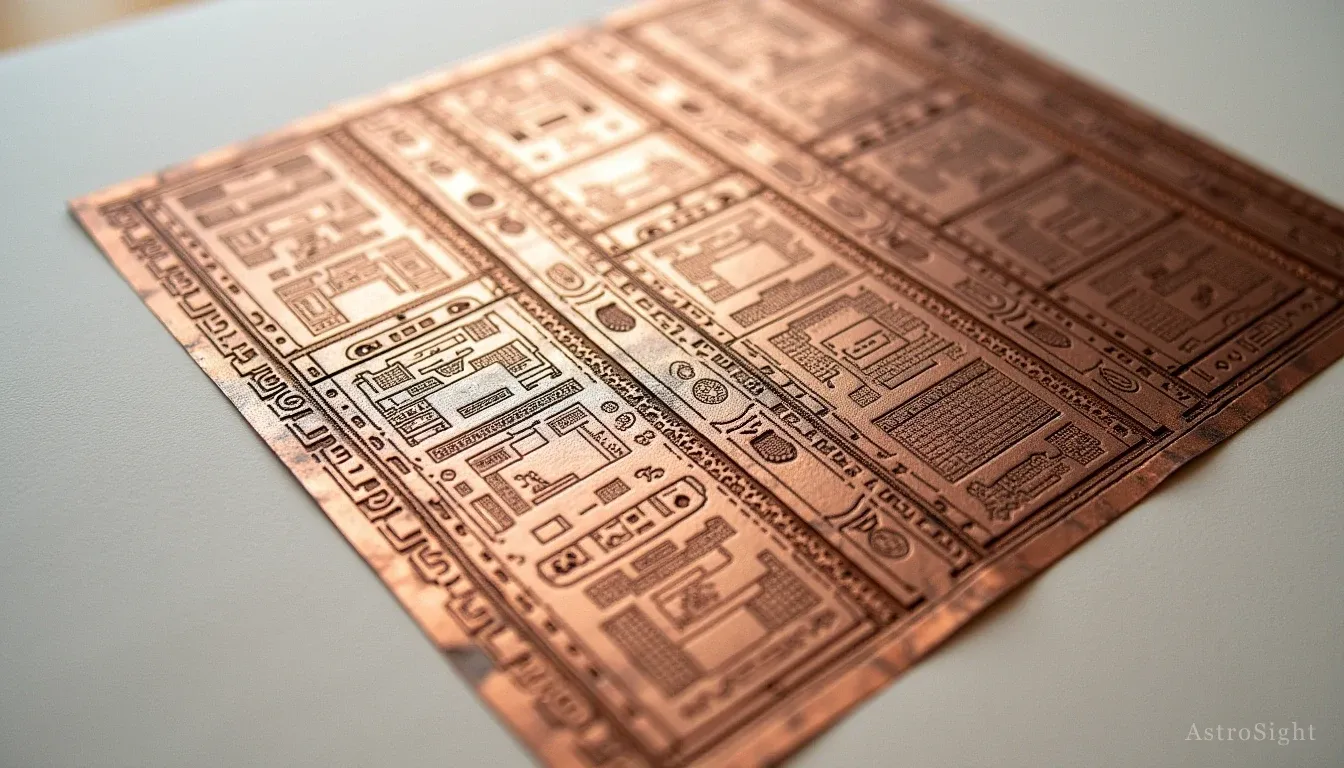
Sri Yantras come in various materials—copper, brass, silver, gold-plated, and crystal (sphatik). Each has traditional associations: copper conducts energy efficiently and is most commonly recommended for home use; crystal amplifies spiritual vibrations; precious metals add sattvic quality. For home practice, size matters less than geometric precision. A 4x4 to 8x8 inch yantra serves most households well.
Three-dimensional Meru yantras are more powerful according to Tantric tradition but require careful maintenance. Quality matters more than expense—ensure geometric precision with properly formed triangles. Poorly rendered yantras with distorted geometry lose effectiveness regardless of material.
Essential Puja Materials
- Gangajal or pure water — At least 500ml for purification rituals
- Panchamrit — Mixture of milk, yogurt, honey, ghee, and sugar for abhishekam (ritual bathing)
- Rose water — For final washing and fragrance
- Clean cloths — White or yellow for altar base; red or pink cloth beneath the yantra
- Copper or silver plate — To hold the yantra during ritual
- Copper kalash — Filled with water, mango leaves, and coconut for establishing sacred space
Lamp, Incense, and Offerings
You'll need ghee lamps (diya) with cotton wicks (minimum two), camphor for concluding aarti, and incense (sandalwood, rose, or lotus fragrances). For offerings: fresh flowers (red roses, lotus, marigold, or jasmine—at least 21), fruits (five varieties if possible), sweets (homemade preferred), dry fruits, kumkum and chandan for marking, akshat (unbroken rice mixed with turmeric), and betel leaves with nuts.
Personal Items
Wear clean clothes—preferably yellow, white, or red traditional attire. Have a mala ready (crystal/sphatik, tulsi, or lotus seed) for mantra counting, and a clean asana (mat or cloth) for sitting. Keep printed mantras accessible—the Sri Suktam or relevant mantras—along with this guide for reference.
Understand Your Yantra Compatibility
Different planetary configurations respond to different yantras. Get a personalized analysis of which sacred geometry aligns with your birth chart for maximum spiritual and material benefit.
Get Your Career ReportWhat Is the Step-by-Step Process to Energize Sri Yantra?
The complete energization ritual takes 60 to 90 minutes. The Tantraloka of Abhinavagupta describes prana pratishtha as a four-phase process: preparation, purification, life establishment, and completion. Plan accordingly and ensure you won't be disturbed during this sacred time.
Phase 1: Preparation (15-20 minutes)
Personal purification: Take a full bath with the intention of spiritual purification. Wear clean, preferably new or freshly washed clothes. Avoid food before the ritual; light sattvic food afterward is appropriate.
Space preparation: Clean the puja area thoroughly and sprinkle Gangajal to purify the space. Set up all materials systematically, establish the copper kalash in the northeast corner, and place the clean cloth on your altar.
Mental preparation: Sit quietly for five minutes. Calm your mind through deep breathing, set your sankalpa (sacred intention) for the energization, and invoke the blessings of your guru or ishta devata.
Phase 2: Yantra Purification (15-20 minutes)
Initial cleansing: Place the yantra on a copper plate. Sprinkle Gangajal over it while chanting "Om Gam Ganapataye Namaha" three times. This removes any negative energy accumulated during manufacturing and transport.
Panchamrit abhishekam: Pour a small amount of each panchamrit ingredient over the yantra in sequence. Pour milk while chanting "Om Shreem Namaha" (3 times), yogurt while chanting "Om Hreem Namaha" (3 times), honey while chanting "Om Kleem Namaha" (3 times), ghee while chanting "Om Aim Namaha" (3 times), and sugar while chanting "Om Sauh Namaha" (3 times). This nourishes the yantra with the five sacred substances.
Final washing: Wash the yantra with pure water to remove panchamrit residue, then with rose water for fragrance. Gently dry with a clean soft cloth—never use paper or rough materials. Place the purified yantra on the red or pink cloth facing east, light the ghee lamps on either side, and allow incense fragrance to permeate the space.
Phase 3: Prana Pratishtha—Life Establishment (30-45 minutes)
Ganesh invocation: Begin by invoking Lord Ganesh to remove obstacles. Chant "Om Gam Ganapataye Namaha" 21 times and offer flowers at the yantra's base.
Pranayama: Perform seven rounds of alternate nostril breathing (anulom vilom). This purifies your energy channels for better mantra transmission.
Nyasa: Touch your heart while chanting "Om Hreem Shreem Lakshmi-byo Namaha," your forehead while chanting "Om Aim Saraswatyai Namaha," and your crown while chanting "Om Dum Durgayai Namaha." This establishes the three aspects of the goddess in your body as conduit for the energization.
Primary mantra chanting: For the simplified home approach, chant the Maha Lakshmi Mantra 108 times: "Om Shreem Hreem Shreem Mahalakshmiyei Namaha." For the traditional approach, recite the complete Sri Suktam (16 verses) three times, followed by 108 repetitions of the Maha Lakshmi Mantra. Use your mala to count repetitions, focus your gaze on the central bindu, visualize golden light emanating from the center, and feel divine presence awakening within the geometry.
Dhyana (meditation): After completing mantras, close your eyes and visualize Goddess Lakshmi seated in the center of the yantra. See her golden form radiating prosperity and blessings. Mentally offer your gratitude and devotion, and request her presence in the yantra to bless your home.
Offering sequence: Offer flowers while chanting "Om Pushpanjali Samarpayami," fruits while chanting "Om Phalani Samarpayami," sweets while chanting "Om Naivedyam Samarpayami," and water while chanting "Om Jalam Samarpayami." Apply a small dot of kumkum and chandan to the central bindu.
Phase 4: Completion (10-15 minutes)
Aarti: Perform aarti with camphor or ghee lamp. Sing or play Lakshmi aarti ("Om Jai Lakshmi Mata...") and circle the flame clockwise before the yantra.
Pushpanjali: Offer flower petals with both hands, bow before the yantra, and express gratitude for the goddess accepting your invitation.
Closing prayer: Recite "Yaantu Deva Ganah Sarve, Pujam Aadaaya Maamakeem, Ishtakaamya Samridhyartham, Punaraagamanaaya Cha." This respectfully concludes the ritual while ensuring continued divine presence.
Prasad distribution: Take a small portion of the offered sweets as prasad and share with family members. This distributes the blessings to all household members.
How Should You Maintain an Energized Sri Yantra Daily?
After energization, the Sri Yantra requires consistent attention to maintain its active state. The Mantra Mahodadhi emphasizes that yantras are living instruments responding to devotional attention. Daily maintenance takes only 10-15 minutes but is essential for sustained benefits. In my experience, practitioners who maintain consistent daily practice—even briefly—experience far more pronounced results than those who perform elaborate occasional worship.
Daily Worship Routine
Morning practice (5-10 minutes): Light a ghee lamp and incense before the yantra, offer fresh water in a clean vessel, chant "Om Shreem Hreem Shreem Mahalakshmiyei Namaha" 11, 21, or 108 times, offer a simple flower if available, and bow with gratitude.
Friday intensive (20-30 minutes): Extended mantra chanting (108 or 324 times), fresh flower offerings (21 flowers ideal), fruit and sweet offerings, full aarti with camphor, and longer meditation gazing at the yantra. Friday worship honors the Venus energy that governs the Sri Yantra's prosperity function.
Physical Maintenance
- Keep clean — Dust gently with a soft cloth; never use chemical cleaners
- Lamp discipline — Light the ghee lamp daily if possible; at minimum every Friday
- Fresh offerings — Remove wilted flowers promptly; never leave decaying matter on the altar
- Cloth replacement — Change the base cloth monthly during Shukla Paksha
What to Avoid
Extended neglect weakens yantra energy. Always approach after washing hands and face. Avoid arguments or harsh speech near the yantra. Keep the altar area clean and organized—clutter diminishes effectiveness. Never sit or sleep with feet pointing toward the yantra, as this is considered deeply disrespectful in Tantric tradition.
Re-energization Schedule
Even properly maintained yantras benefit from periodic full re-energization. Perform quarterly re-energization with 108 mantras and full offerings. Conduct annual complete re-energization on an auspicious day such as Akshaya Tritiya or during Navratri. After significant negative events—death in family, major illness, or serious household conflict—perform re-energization to restore the yantra's field.
What Common Mistakes Reduce Sri Yantra Effectiveness?
Understanding common errors helps you avoid them and maintain your yantra's optimal function. The Yantra Chintamani catalogues numerous ways practitioners inadvertently diminish yantra potency. In my guidance of students through yantra sadhana, these mistakes appear most frequently.
Installation Errors
- Wrong direction — The yantra should face east; the worshipper sits facing the yantra from west
- Low placement — Never place on floor or below waist level; minimum three feet height is traditional
- Impure location — Avoid walls shared with bathrooms or placement below overhead beams
- Mixed altar — The Sri Yantra should not share space with fierce deity images (Kali, Bhairav) without proper Tantric arrangement
Energization Errors
- Wrong timing — Energizing during Krishna Paksha or inauspicious tithis contradicts the activation energy
- Incomplete ritual — Rushing through or skipping essential steps leaves the energization partial
- Distracted mind — Performing ritual mechanically without devotional attention
- Interruptions — Phone calls or family disturbances during prana pratishtha break the ritual container
- Impure state — Performing ritual before bathing or after consuming tamasic substances
Ongoing Maintenance Errors
Inconsistency—intense practice for weeks followed by months of neglect—causes energy fluctuation. Mechanical worship without feeling reduces effectiveness regardless of ritual correctness. Allowing casual handling by others diminishes the personal connection; let family members bow from a distance. Public photography or social media posting of your yantra disperses its concentrated energy. Demanding specific results rather than trusting divine timing creates energetic resistance.
Recovery from Errors
If you realize you've made significant errors, perform purification by sprinkling Gangajal on the yantra and chant the moola mantra 108 times with sincere intention. Consider full re-energization if errors were severe or prolonged. For serious situations involving ritual contamination, consulting a qualified priest or Vedic astrologer for personalized guidance is recommended.
Where Should You Place an Energized Sri Yantra at Home?
Proper placement amplifies the Sri Yantra's effectiveness while improper positioning can neutralize even a perfectly energized yantra. The Vastu Shastra and Tantric traditions provide clear guidance on optimal positioning.
Ideal Locations
- Puja room — The most appropriate location, on the east wall, elevated on a proper altar
- Northeast corner — The "Ishan" corner associated with divine energy; excellent for any room
- Home office or business space — Activates the prosperity dimension of the yantra's energy
- Living room — If placed with reverence, benefits all family members who spend time there
Directional Guidelines
The yantra should face east, which means you sit facing west when worshipping. East represents the direction of rising sun, new beginnings, and spiritual illumination. If east placement is impossible due to room configuration, north is the secondary option, associated with wealth and Kubera (divine treasurer). Avoid south and west-facing placements for the Sri Yantra.
Height and Elevation
The yantra should be positioned at or above eye level when seated for worship—typically three to four feet from the ground. Never place on the floor or at a height requiring you to look down during worship. Use a proper altar, shelf, or dedicated cabinet. The elevation honors the divine presence within the yantra.
Locations to Avoid
Never place the Sri Yantra on walls shared with bathrooms or directly below overhead beams, which create downward pressure. Avoid kitchens where fire energy may conflict with the yantra's subtle frequencies. Storerooms, garages, and cluttered spaces diminish yantra effectiveness. The bedroom is acceptable only with proper covering protocols during intimate activity.
Understanding the Sri Yantra's Sacred Geometry
The Sri Yantra's power derives from its precise mathematical structure, which encodes universal principles of creation. Understanding this geometry deepens your connection during worship and enhances the energization process.
The Nine Triangles (Navayoni Chakra)
The core structure consists of nine interlocking triangles creating 43 smaller triangles. The four upward-pointing triangles represent Shiva—consciousness, the masculine principle, spiritual aspiration. The five downward-pointing triangles represent Shakti—energy, the feminine principle, material manifestation. Their interlocking creates the dynamic interplay of consciousness and energy from which all creation emerges.
The Central Bindu
The bindu (point) at the absolute center represents the unity of Shiva-Shakti before differentiation—the source point from which creation emanates and to which it returns. During meditation, focusing on the bindu draws consciousness toward this primordial unity. The Saundaryalahari describes the bindu as the seat of supreme bliss (paramananda).
The Enclosing Elements
Two rings of lotus petals (8 and 16) surround the triangles, representing the unfolding of creation and the purifying qualities of the lotus. The outer bhupura (square with four gates) represents the earth element and provides grounding. The gates open to the four directions, allowing energy to flow into the manifest world.
Understanding these elements transforms the energization ritual from mechanical procedure to sacred communion with cosmic principles. When you gaze at the bindu during mantra chanting, you're literally focusing on the source point of universal creation as encoded in this ancient geometry.
Classical Mantras for Sri Yantra Energization
The effectiveness of prana pratishtha depends significantly on proper mantra recitation. The Mantra Mahodadhi emphasizes that mantras are the "breath" that animates yantra geometry. Several classical mantras are prescribed for Sri Yantra energization, each with specific applications.
Primary Mantras
Maha Lakshmi Mantra: "Om Shreem Hreem Shreem Mahalakshmiyei Namaha" — The most commonly used mantra for Sri Yantra energization. "Shreem" is the bija (seed) mantra of Lakshmi, invoking prosperity and abundance. "Hreem" represents the cosmic Maya and transformative energy. This mantra activates the material prosperity dimension of the yantra.
Sri Suktam: This 16-verse Vedic hymn from the Rig Veda Khila is the most traditional and complete invocation of Lakshmi. Reciting the full Sri Suktam three times followed by 108 repetitions of the Maha Lakshmi Mantra constitutes the classical energization method. The Sri Suktam describes Lakshmi's qualities, her relationship with Vishnu, and the blessings she bestows on devotees.
Shodashi Mantra: For advanced practitioners with proper initiation, the 16-syllable Shodashi Mantra of Tripura Sundari is the most powerful energization method. However, this requires diksha (initiation) from a qualified guru and should not be attempted without proper transmission.
Proper Pronunciation and Rhythm
Sanskrit mantras must be pronounced correctly for full effectiveness. If uncertain about pronunciation, listen to authentic recordings before attempting the energization. Chant at a steady, unhurried pace—neither rushing through repetitions nor dragging them out. The internal rhythm should feel natural and devotional. Use a mala to count 108 repetitions without mental distraction about the count.
Mental Attitude During Chanting
The Tantraloka states that mantras chanted without devotion are like seeds planted in barren soil. During recitation, maintain one-pointed focus on the central bindu. Visualize golden light pulsing from the yantra's center with each mantra repetition. Feel genuine reverence for the Divine Mother you're inviting into the yantra. This combination of correct pronunciation, steady rhythm, and devotional attitude creates the conditions for successful prana pratishtha.
The Spiritual and Material Benefits of Sri Yantra Sadhana
Classical Tantra texts describe the Sri Yantra as a complete spiritual technology addressing both material and transcendent dimensions of human life. When properly energized and maintained, the yantra becomes a living presence radiating benefits to all who dwell within its field.
Material Benefits (Bhukti)
The Sri Yantra's association with Lakshmi makes it particularly potent for prosperity and abundance. Practitioners traditionally report improved financial flow, business opportunities, and material stability. The yantra also promotes household harmony, reducing conflicts and creating an atmosphere of peace. Protection from negative energies, difficult people, and unfortunate circumstances is another classical benefit. The Yantra Chintamani specifically mentions the Sri Yantra's capacity to attract auspicious conditions while repelling inauspicious ones.
Spiritual Benefits (Mukti)
Beyond material prosperity, the Sri Yantra serves as a meditation focus for advanced spiritual practice. Gazing at the geometric structure during meditation naturally draws consciousness toward unity, following the visual path from the outer gates through the lotus petals and triangles to the central bindu. Regular practice develops concentration, intuition, and devotional depth. The Saundaryalahari describes the Sri Yantra as a ladder for the soul, ascending through progressive stages of realization.
Important Caveats
Results depend on multiple factors: the quality of your energization, consistency of maintenance, your karmic configuration, and current planetary periods. The Sri Yantra is not a magic solution that bypasses effort or consequences. Rather, it creates supportive conditions that amplify positive actions and soften negative karmic patterns. Individual experiences vary significantly based on these factors. Consult your birth chart for personalized insights into how yantra sadhana may interact with your planetary configurations.
The Sri Yantra represents the highest evolution of sacred geometry in the Vedic tradition, encoding universal principles of creation, maintenance, and transformation within its precise mathematical patterns. When properly energized through the methods described in this guide and maintained with consistent devotion, it becomes a living presence in your home—radiating prosperity, protection, and spiritual awakening to all who dwell within its field.
The energization process transforms a beautiful object into functional spiritual technology. Approach with reverence, maintain with consistency, and allow the goddess's blessings to unfold according to divine timing rather than human expectation. May the Sri Yantra illuminate your home with prosperity, harmony, and spiritual grace.
Om Shreem Hreem Shreem Mahalakshmiyei Namaha.
Explore AstroSight Services
Personalized Report
Career Report Bundle
Your Navamsa and Dashamsha are covered in your Career Report — see your exact vocational path
- Personalized analysis based on YOUR exact birth chart
- Expert-prepared by Dr. Meenakshi Sharma
- Delivered as PDF within 24-48 hours
- Unlimited follow-up clarifications
By Dr. Meenakshi Sharma · Delivered in 24-48 hours

Dr. Meenakshi Sharma
PhD in Vedic Astrology, 20+ Years Experience
18 + Years of Experience
100+ Readers
Dr. Meenakshi Sharma is a distinguished Vedic astrologer with a PhD in Vedic Astrology and over 20 years of professional experience in the ancient science of Jyotisha. Her extensive practice encompasses thousands of chart readings, predictive analyses, and remedial consultations, making her uniquely qualified to bridge traditional Vedic wisdom with contemporary applications. As a contributing writer for AstroSight, Dr. Sharma specializes in natal chart analysis, predictive astrology, and Vedic remedial measures, sharing her deep knowledge through insightful articles that make complex astrological concepts accessible to practitioners at all levels. Her approach combines rigorous academic training with ethical consultation standards, empowering clients through education and practical guidance while maintaining authentic adherence to classical Vedic principles.