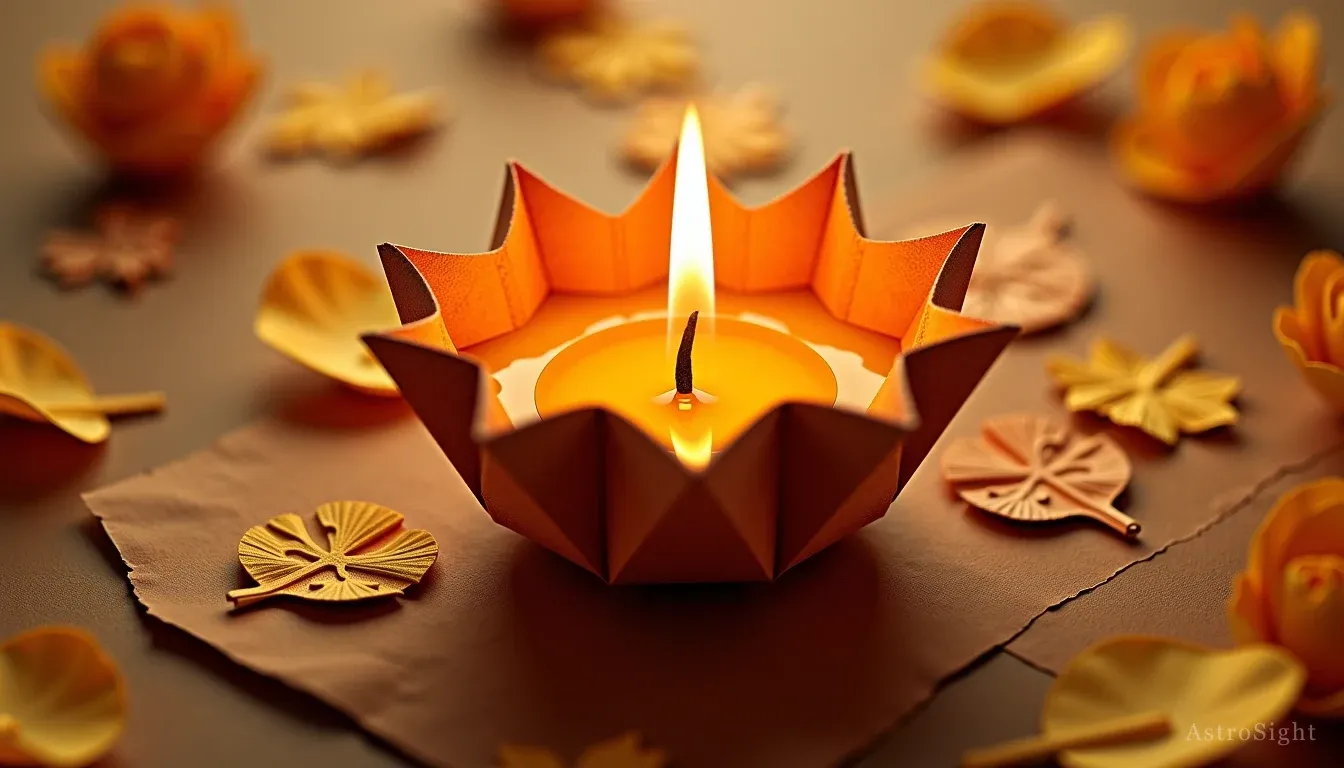
Brahma Muhurta Waking Up: Divine Purpose Through Practice
Brahma Muhurta — "the time of Brahma" — is the 96-minute window before sunrise considered in Vedic tradition to be the most spiritually charged time of day. Waking and practicing during this window is one of the most consistent recommendations across classical Hindu, yogic, and tantric traditions fo
Brahma Muhurta — "the time of Brahma" — is the 96-minute window before sunrise considered in Vedic tradition to be the most spiritually charged time of day. Waking and practicing during this window is one of the most consistent recommendations across classical Hindu, yogic, and tantric traditions for accelerating spiritual growth, deepening meditation effectiveness, and aligning daily life with divine purpose. The practice is simple in principle but transformative in cumulative effect.
This guide explains what Brahma Muhurta is, why classical traditions consider it so valuable, the exact calculation for any location and date, the practices most effective during this window, the documented benefits across spiritual and practical dimensions, and the step-by-step approach for building the habit sustainably even for those who currently rise late.
What Is Brahma Muhurta?
Brahma Muhurta is the third-to-last muhurta of the night — a 96-minute window beginning approximately 1 hour 36 minutes before sunrise and ending approximately 48 minutes before sunrise. (Some traditions define it slightly differently; this is the most widely cited classical definition.)
The name "Brahma" refers to Brahma the creator deity. Classical Vedic literature considers this period to be when the cosmic creative energy is most accessible — the universe is "still receptive" before the daytime activity begins, and a practitioner's mind and consciousness can attune most easily to higher subtle energies.
Modern science partially corroborates this through circadian biology: pre-dawn hours feature specific neurochemical states (high cortisol awakening response, peak melatonin during sleep transition, enhanced REM-to-waking integration) that support meditation effectiveness, learning consolidation, and creative insight in ways that midday hours don't.
A Vedic chart reading is unrelated to Brahma Muhurta directly, but the chart-based identification of one's spiritual orientation can inform what practices are most appropriate during the window.
How Do You Calculate Brahma Muhurta Timing?
The calculation is location-and-date specific:
Step 1 — Determine local sunrise time for your specific location and date. Most weather apps, panchanga sites, or astronomy tools provide this.
Step 2 — Subtract 1 hour 36 minutes from sunrise to get the start of Brahma Muhurta.
Step 3 — Subtract 48 minutes from sunrise to get the end of Brahma Muhurta.
Example: If sunrise on a given day is at 6:24 AM, Brahma Muhurta runs from 4:48 AM to 5:36 AM that day.
The window shifts slightly each day with seasonal sunrise variations. In winter (later sunrise), Brahma Muhurta is later; in summer (earlier sunrise), it is earlier. For consistent practice, recalculate weekly or monthly as sunrise shifts.
Note: "Waking up at Brahma Muhurta" practically means waking sometime within or just before this window — typically around 4:30-5:00 AM for most locations and seasons. Some traditional practitioners wake at 4 AM consistently as a safe approximation.
What Spiritual Practices Are Most Effective During Brahma Muhurta?
Meditation. Subjective reports and traditional teaching agree that meditation during Brahma Muhurta produces deeper states faster than the same practice at other times. Both concentration practices (one-pointed focus) and open-awareness practices (mindfulness, vipassana) benefit.
Mantra recitation. Mantras carry stronger penetration during Brahma Muhurta. Traditional practice often involves 108 repetitions of a chosen mantra during this window, with cumulative effect over months.
Pranayama. Breath practices in this window carry double benefit — physical respiratory development plus subtle energetic alignment. Nadi Shodhana, Bhastrika, and Kapalabhati are commonly recommended.
Scripture study. Reading classical texts (Bhagavad Gita, Yoga Sutras, Upanishads, scriptures from any tradition) during Brahma Muhurta produces deeper comprehension. The mind is more receptive to subtle teaching.
Silent contemplation. Even without formal practice, simply sitting in silence during Brahma Muhurta — observing breath, awareness of body, contemplation of life direction — produces noticeable shifts over time.
Personal reflection or journaling. Many practitioners use Brahma Muhurta for reflection on the previous day, intention-setting for the coming day, and contemplation of larger life questions.
Karma yoga preparation. Reviewing the day's intended actions through the lens of dharma — what work serves higher purpose, what should be approached with attention, what should be released.
A marriage compatibility check is unrelated to Brahma Muhurta, but for couples who wish to practice together, joint Brahma Muhurta meditation creates a uniquely strong spiritual bond.
What Are the Documented Benefits of Brahma Muhurta Practice?
Spiritual benefits:
- Faster progress in meditation depth
- More effective mantra siddhi (mantra realization)
- Greater receptivity to spiritual teachings
- Deeper sense of connection with divine
- Increased ability to access intuitive guidance
Mental benefits:
- Improved cognitive clarity throughout the day
- Better decision-making capacity
- Enhanced creative thinking
- Reduced reactivity to daily stress
- Improved emotional regulation
Physical benefits:
- Better quality sleep (when sustained as habit)
- Improved digestion (early rising aligns with natural rhythms)
- Enhanced metabolism through morning movement
- Better immune function (correlated with sleep-rhythm regularity)
- Higher overall energy levels during day
Career and practical benefits:
- Increased productivity in early morning hours
- More time for important-but-not-urgent tasks
- Reduced morning rush stress
- Better preparation before workday demands
- Cumulative time savings (1-2 hours daily)
The benefits compound over weeks and months. Initial 21 days establish the habit; significant transformation typically appears in 90-180 days of consistent practice.
How Do You Build the Brahma Muhurta Habit Sustainably?
The transition from late waking to Brahma Muhurta waking is significant. Sustainable approach:
Phase 1 (weeks 1-2): Move bedtime earlier. Brahma Muhurta waking requires sleeping by 9-10 PM. Without earlier bedtime, early waking produces chronic sleep deprivation. Move bedtime earlier first.
Phase 2 (weeks 3-4): Move waking time gradually earlier. 15-30 minutes per week earlier than current waking time. Sudden 2-hour shifts often fail; gradual adjustment succeeds.
Phase 3 (weeks 5-8): Establish a brief morning practice immediately upon waking. Even 10-15 minutes of meditation, mantra, or silent contemplation. The practice provides the reward that makes early rising worthwhile.
Phase 4 (weeks 9-12): Extend and refine the practice. Lengthen meditation, add pranayama or scripture study, develop the morning routine that fits your life and goals.
Phase 5 (month 4 onwards): Sustain and deepen. The habit becomes self-reinforcing. Most practitioners at this stage report finding it natural and even pleasurable to wake at Brahma Muhurta.
Common obstacles and solutions:
- "I'm not a morning person": Often resolves once consistent earlier bedtime is established. The physiology adjusts within weeks for most adults.
- "Family obligations interfere": Negotiate quiet morning hours with household. Even partial practice (3-4 days per week) produces benefit.
- "I get sleepy in the afternoon": Initial weeks often involve afternoon sleepiness. Brief 20-minute power nap is acceptable; longer naps disrupt the rhythm.
- "Weekend disruption": Maintain consistent waking time even on weekends. Weekend sleep-ins of 1-2 hours longer are workable; multi-hour disruptions sabotage the rhythm.
A numerology overlay on personal year cycles can help time the start of Brahma Muhurta practice — personal years 1, 7, or 9 are particularly favorable for new spiritual habit formation.
What If You Can't Wake at the Exact Brahma Muhurta?
Pragmatic adaptations:
Wake within 30-45 minutes of Brahma Muhurta start. The energetic benefit is partial but still significant. Better consistent practice slightly later than perfect timing rarely sustained.
Practice immediately after waking even if later. Whatever time you wake, immediately establish brief practice before phone, news, or tasks. The "first 30 minutes after waking" carries spiritual value regardless of clock time.
Do partial practice on busy days. 10 minutes during Brahma Muhurta is more valuable than 60 minutes at midday. Even very brief practice maintains the habit.
Schedule occasional full Brahma Muhurta retreats. Weekend mornings, vacations, or retreat contexts allow occasional full Brahma Muhurta practice even when daily practice is partial.
Use Brahma Muhurta principles when on travel. Adjust calculation to local sunrise wherever you are. The practice doesn't require home environment.
The principle: consistent practice (even partial) outperforms perfect practice attempted occasionally.
Align Your Spiritual Path with Your Purpose
Your birth chart reveals your dharma — the path aligned with your soul purpose. Get expert analysis connecting spiritual direction with practical life choices.
Explore Our Reports
Shri Ankit Bansal
Vedic Astrologer · Numerology and Vastu Expert, 15+ Years
Shri Ankit Bansal is a renowned numerology and Vastu expert with over 15 years of specialized experience in these ancient Indian sciences. His extensive practice encompasses thousands of consultations in numerological analysis, name corrections, business numerology, and comprehensive Vastu assessments for residential and commercial properties. As a contributing writer for AstroSight, Shri Bansal combines his deep understanding of numerical vibrations with practical Vastu principles to provide holistic solutions that harmonize living and working spaces with cosmic energies. His expertise spans personal numerology charts, business name analysis, property Vastu audits, and remedial measures that blend traditional wisdom with modern lifestyle requirements. Through his methodical approach and proven track record, Shri Bansal has established himself as a trusted authority in helping clients optimize their environment and numerical influences for enhanced prosperity, health, and overall well-being.