Meditation by Nakshatra — Personalized Practice Guide
Your nakshatra — the lunar mansion where the Moon sat at your birth — is one of the most precise tools in Vedic astrology for understanding your psychological and spiritual nature. Because each of the 27 nakshatras carries a distinct energy, ruling deity, and elemental quality, there is no single me
Your nakshatra — the lunar mansion where the Moon sat at your birth — is one of the most precise tools in Vedic astrology for understanding your psychological and spiritual nature. Because each of the 27 nakshatras carries a distinct energy, ruling deity, and elemental quality, there is no single meditation style that works for everyone. The ancient rishis understood this: they prescribed different inner practices for different soul-types. This guide maps each nakshatra to its most compatible meditation approach so you can stop forcing a practice that fights your nature and start working with the grain of your soul.
Reviewed by Dr. Meenakshi Sharma, M.A. Sanskrit & Vedic Studies, Varanasi, with 20+ years of practice in Vedic Jyotish.
What Is Nakshatra-Based Meditation?
Nakshatra-based meditation is the practice of selecting a contemplative technique that harmonizes with your lunar mansion's ruling deity, element, and psychological archetype. In classical Jyotish, the Moon sign and nakshatra together describe your manas — the mind-stuff, the emotional body, the screen on which all experience appears. When your meditation technique matches your nakshatra's energy, you naturally drop into stillness faster, resistance is lower, and the benefits accumulate faster.
To know your nakshatra, you need the precise time and place of your birth. Use the nakshatra calculator to find yours instantly.
How Do the First Nine Nakshatras Meditate?
Ashwini (Ketu-ruled, Ashwini Kumaras): Dynamic visualization is your natural entry. Ashwini energy is swift, healing, and kinetic. Sit upright and visualize a white or golden horse running freely across open terrain. Feel speed and vitality coursing through your body. This active inner imagery prevents the restlessness typical of Ashwini minds and channels Mars-like Ketu energy productively. Sessions of 15–20 minutes work best.
Bharani (Venus-ruled, Yama): Intense breath retention (kumbhaka) suits Bharani's deep, holding, death-and-transformation nature. Practice inhale for 4 counts, hold for 8, exhale for 8. Bharani is about containing and transforming, and the held breath mirrors the womb-like pressure this nakshatra carries. Do not exceed comfortable retention; the point is concentration, not strain.
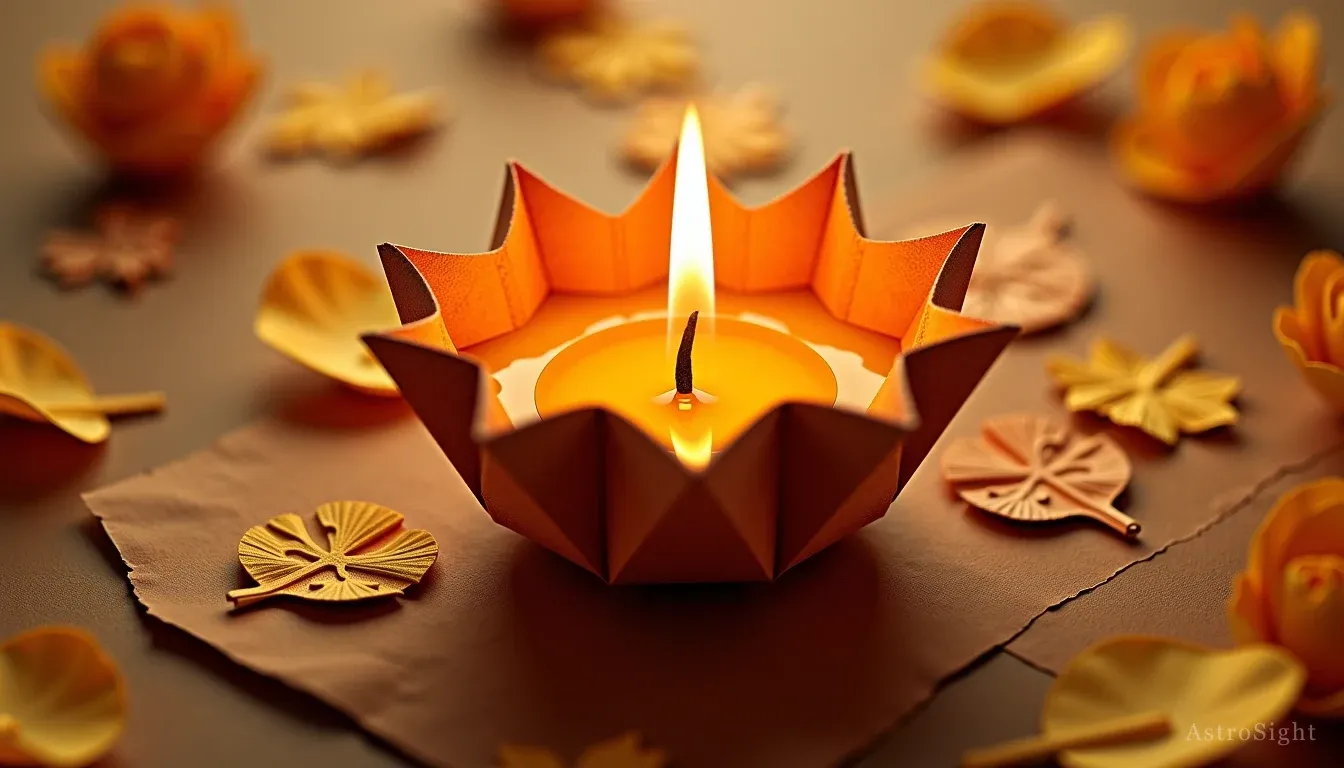
Krittika (Sun-ruled, Agni): Trataka — steady, unblinking candle gazing — is the classical technique for Krittika. This fire nakshatra, ruled by Agni himself, responds to a literal flame. Gaze at a ghee lamp for 5–15 minutes until eyes water, then close eyes and hold the after-image. This sharpens single-pointed focus and burns mental impurities in the spirit of Agni.
Rohini (Moon-ruled, Brahma/Prajapati): Mantra chanting combined with soft music or drone instruments (tanpura, singing bowl) suits Rohini's lush, sensory, creative nature. Rohini thrives in beauty and sound. Chant Om Chandraya Namah to a rhythmic melody, or simply hum along to a drone. The body relaxes first, then the mind follows.
Mrigashira (Mars-ruled, Soma/Moon): Walking meditation in nature is ideal. Mrigashira is the seeking deer — always searching, always moving. Stillness without movement creates inner agitation. Walk barefoot on grass or earth, coordinate breath with steps (inhale 4 steps, exhale 4 steps), and notice the sensory world around you. This converts the restless Mrigashira search into mindful present-moment awareness.
Ardra (Rahu-ruled, Rudra): Storm visualization for emotional release. Ardra carries the intensity of the storm-god Rudra and often holds enormous unprocessed emotion. Sit in a comfortable position, close your eyes, and vividly imagine a thunderstorm — lightning, wind, rain. Let any emotional charge you carry be held within that storm, then visualize it washing completely away leaving clear sky. This cathartic technique works with Ardra's grief and transformation.
Punarvasu (Jupiter-ruled, Aditi): Gratitude meditation aligned with Aditi, the boundless mother of the gods. For 15 minutes, systematically recall everything you are grateful for — people, experiences, your own capacities. Punarvasu has a natural expansiveness and optimism; gratitude practice amplifies this and counters the tendency to feel scattered when Jupiter's gifts feel elusive.
Pushya (Saturn-ruled, Brihaspati): Metta (loving-kindness) meditation, the classic practice of radiating nourishment outward. Pushya is the most nourishing nakshatra in the zodiac. Begin with yourself ("May I be happy, may I be well"), extend to loved ones, then to all beings. Saturn's discipline gives Pushya the patience this technique requires. Practice for 20–30 minutes daily.
Ashlesha (Mercury-ruled, Nagas): Kundalini-based serpent-energy awareness meditation. Sit at the base of the spine awareness, feel the subtle heat or energy coiled at the muladhara chakra, and with each breath imagine that energy gently rising up the spine. Do not force; observe. Ashlesha natives often have a natural sensitivity to subtle energy, and this practice dignifies rather than suppresses it.
How Do Nakshatras 10 Through 18 Meditate?
Magha (Ketu-ruled, Pitrus): Ancestral meditation. Sit in silence, consciously call in your lineage — grandparents, great-grandparents — and simply offer them your presence. You can visualize a line of ancestors behind you, supporting you. Magha is about remembering where you came from. This practice clears Pitru dosha and grounds Magha's royal pride in something larger than the ego.
Purva Phalguni (Venus-ruled, Bhaga): Aesthetic and sensory meditation. Light incense, arrange flowers, play soft classical music (Raga Yaman or Bhairavi), and spend time in pure sensory appreciation before sitting in silence. Purva Phalguni is ruled by Bhaga, the god of delight. Allowing the senses to be fully satisfied before turning inward prevents this nakshatra from dragging the mind outward during practice.
Uttara Phalguni (Sun-ruled, Aryama): Service-before-self meditation. Begin each session by setting an intention to meditate not for personal gain but for the benefit of others — your family, community, the world. Uttara Phalguni's energy is solar and altruistic; Aryama governs social covenants. Beginning with this intention transforms meditation from self-improvement to seva (selfless service of consciousness).
Hasta (Moon-ruled, Savitar): Mudra-based meditation. Hasta literally means "hand." Different hand gestures (Gyan Mudra for wisdom, Shuni Mudra for patience, Prana Mudra for vitality) combined with steady breathing form the core practice. Spend 5 minutes per mudra or hold one mudra for the full session. Hasta natives have a natural sensitivity in the hands that makes this technique immediately effective.
Chitra (Mars-ruled, Vishwakarma/Tvashtar): Visualization of geometric mandalas — yantras. Chitra is the architect nakshatra, ruled by the divine craftsman. Gaze at a Sri Yantra, Shri Chakra, or any sacred geometric image before closing your eyes and rebuilding it in the inner visual field. This suits Chitra's precision, artistry, and desire for perfection without feeding perfectionism.
Swati (Rahu-ruled, Vayu): Pranayama-centric meditation. Swati is ruled by Vayu, the wind. Breath IS the entry point. Nadi Shodhana (alternate nostril breathing) for 10 minutes before transitioning to silent observation of the natural breath. Swati minds are independent and scattered like the wind; the breath anchors them without restriction.
Vishakha (Jupiter-ruled, Indra-Agni): Goal-oriented trataka. Unlike Krittika's candle gazing, Vishakha uses trataka on a symbol of a specific goal or divine ideal. Write your highest aspiration on paper, gaze at it steadily for 5 minutes, then close your eyes and hold the intention in luminous inner silence. Vishakha is intensely goal-driven; this practice channels that drive toward spiritual ambition.
Anuradha (Saturn-ruled, Mitra): Devotional/bhakti meditation. Anuradha is the nakshatra of friendship with the divine and with the sacred friend (Mitra). Bhakti practice — chanting the names of your Ishta Devata, keeping a photograph or murti in your meditation space, and offering your emotions to the divine — is the natural path. Sat-Chit-Ananda contemplation, or repeating "I am Thy instrument."
Jyeshtha (Mercury-ruled, Indra): Warrior-elder contemplation. Jyeshtha is the eldest, the chief, the protector. Sit in a strong posture — straight spine, grounded — and spend 20 minutes reviewing your life as a warrior reviews a campaign: what have you protected, what battles were necessary, what have you truly accomplished? Follow this with gratitude and release. This dignifies Jyeshtha's deep need for recognition and channels it into mature self-respect.
How Do the Final Nine Nakshatras Meditate?
Mula (Ketu-ruled, Nirrti): Root-chakra meditation combined with contemplation of impermanence and detachment. Mula is at the galactic center — it goes to the root. Sit in Vajrasana, place attention at the muladhara, and contemplate: "What am I without my roles, possessions, or history?" Do not answer in words. Sit with the dissolution. This is Mula's gift — it can go where other nakshatras cannot.
Purva Ashadha (Venus-ruled, Apas): Water visualization. Sit near water or visualize a vast, still lake. Feel the water element in your body — the fluidity of your blood, the moisture of your tissues. Let thoughts float across the surface of the lake without disturbing the depths. Purva Ashadha has invincible confidence at its best; water meditation builds that unshakeable inner stillness.
Uttara Ashadha (Sun-ruled, Vishvadevas): Mountain meditation for endurance and final victory. Sit in perfect stillness and visualize yourself as an ancient mountain — unmoved by weather, seasons, generations of life passing across your slopes. Uttara Ashadha natives have extraordinary endurance; this meditation confirms and deepens that quality into spiritual steadiness (sthirata).
Shravana (Moon-ruled, Vishnu): Listening meditation. Shravana means "listening." Sit in silence and genuinely listen — to sounds near and far, to the silence beneath sound, ultimately to the inner sound (nada) that the ancient tradition calls Anahata Nada (unstruck sound). You may also practice Mantra Shravana — not chanting but listening to Vishnu Sahasranama or Om Namah Narayanaya and letting the sound enter passively.
Dhanishtha (Mars-ruled, Ashta Vasus): Rhythmic/drumming meditation. Dhanishtha is ruled by the Vasus and associated with musical rhythm and abundance. Listening to or lightly drumming on a tabla or frame drum, synchronizing breath to the tala (beat), and entering a trance-like state of rhythmic absorption is the natural path. This nakshatra is known to have excellent musical capacity and the body responds deeply to beat.
Shatabhisha (Rahu-ruled, Varuna): Healing water meditation. Shatabhisha means "the hundred physicians." Visualize yourself immersed in a vast, luminous cosmic ocean — Varuna's domain. See healing energy entering every cell. This nakshatra is associated with alternative healing and mystical science; the ocean visualization connects to its deepest healing capacity.
Purva Bhadrapada (Jupiter-ruled, Aja Ekapad): Fire meditation with intensity of purpose. Light a large fire or visualize one, contemplate the burning away of ego, false identities, and spiritual complacency. Purva Bhadrapada can be extreme in its asceticism; this practice gives the fire-energy a healthy spiritual channel rather than destructive outlets.
Uttara Bhadrapada (Saturn-ruled, Ahirbudhnya): Deep stillness, Yoga Nidra, or formless awareness. Uttara Bhadrapada carries the deepest waters — the serpent of the cosmic depths. Its meditation is pure silence, pure being without object. No visualization, no mantra, no breath technique — simply rest as awareness itself. Of all nakshatras, Uttara Bhadrapada most naturally accesses the nirvikalpa state.
Revati (Mercury-ruled, Pushan): Ocean visualization and cosmic dissolution. Revati is the last nakshatra — it carries the wisdom of completion and the gentle crossing into the next. Visualize floating on an infinite ocean, boundaries dissolving, individual self merging with the cosmic sea. The Maharamananda state — absolute peace. Pushan, the guide of travelers, now guides inward.
What About Rahu and Ketu Nakshatra Nuances?
The three Rahu nakshatras (Ardra, Swati, Shatabhisha) and the three Ketu nakshatras (Ashwini, Magha, Mula) carry special nuances. Rahu nakshatras benefit from grounding practices — the earth element, pranayama, and embodied techniques counter Rahu's tendency to pull awareness into obsessive mental loops. Ketu nakshatras benefit from non-linear, non-goal-oriented practices that honor their past-life spiritual depth without forcing structure onto what is inherently free.
How Do I Find My Nakshatra?
Your nakshatra is determined by the Moon's exact position at birth. Use our free nakshatra calculator — enter your birth date, time, and place and your nakshatra is identified immediately. Knowing both your nakshatra and your Moon sign gives you the most complete picture for personalized practice.
How Do I Begin a Nakshatra Meditation Practice?
Start with just 15 minutes daily. Choose the technique described for your nakshatra. Practice at the same time each day — ideally at brahma muhurat (90 minutes before sunrise) or at sunset. Build to 30 minutes over four weeks. Keep a simple journal noting what arises. Within 40 days (a mandala cycle), most practitioners notice tangible shifts in mental clarity, emotional stability, and sense of inner connection.
Can I Use This to Design a Complete Practice?
Yes. Your birth chart contains multiple nakshatras — your Sun, Moon, and Ascendant each occupy one. You can layer practices: nakshatra meditation for the Moon (emotional processing), Sun nakshatra technique as a midday practice, and Ascendant nakshatra technique as an evening grounding ritual. For a fully customized spiritual prescription, use the birth chart calculator to see all three.
---
Align Your Spiritual Path with Your Purpose
Your birth chart reveals your dharma — the path aligned with your soul purpose. Get expert analysis connecting spiritual direction with practical life choices.
Explore Our Reports
Dr. Meenakshi Sharma
PhD in Vedic Astrology, 20+ Years Experience
Dr. Meenakshi Sharma is a distinguished Vedic astrologer with a PhD in Vedic Astrology and over 20 years of professional experience in the ancient science of Jyotisha. Her extensive practice encompasses thousands of chart readings, predictive analyses, and remedial consultations, making her uniquely qualified to bridge traditional Vedic wisdom with contemporary applications. As a contributing writer for AstroSight, Dr. Sharma specializes in natal chart analysis, predictive astrology, and Vedic remedial measures, sharing her deep knowledge through insightful articles that make complex astrological concepts accessible to practitioners at all levels. Her approach combines rigorous academic training with ethical consultation standards, empowering clients through education and practical guidance while maintaining authentic adherence to classical Vedic principles.