Mount of Jupiter Palm Meaning: Leadership & Ambition
The Mount of Jupiter (Guru Parvat in Sanskrit) is one of the most important mounts in palmistry — located beneath the index finger (Jupiter finger) and revealing leadership ability, ambition, desire for recognition, ethical orientation, and the natural authority that distinguishes leaders from follo
The Mount of Jupiter (Guru Parvat in Sanskrit) is one of the most important mounts in palmistry — located beneath the index finger (Jupiter finger) and revealing leadership ability, ambition, desire for recognition, ethical orientation, and the natural authority that distinguishes leaders from followers. Named after Brihaspati (Jupiter), the divine guru and largest planet of the solar system, the Mount of Jupiter carries the planet's qualities of expansion, wisdom, and benevolent leadership into palmistry analysis. According to classical Samudrika Shastra and Hasta Samudrika texts, the development, shape, color, and special markings of the Mount of Jupiter provide essential information about a person's leadership potential, ambition level, and capacity for the kind of authority that benefits others rather than dominating them.
Reading the Mount of Jupiter properly requires examining its development (raised, flat, or depressed), shape (round, elongated, or distorted), color and texture (relative to surrounding palm), and any special markings present (lines, crosses, stars, triangles, squares). Combined with Jupiter finger length analysis (whether index finger reaches above middle finger's first joint), heart line beginning point (heart line starting from Jupiter mount indicates leadership through love), and overall hand shape, the Mount of Jupiter provides comprehensive leadership-ambition analysis. Many famous leaders, executives, teachers, and authority figures show well-developed Mount of Jupiter combined with supporting features.
This guide covers Mount of Jupiter palm meaning — location and identification, development reading, shape and color analysis, special markings interpretation, integration with other palm features, and Vedic remedies for activating Jupiter mount potential.
What Is the Mount of Jupiter in Palmistry?
Classical Definition
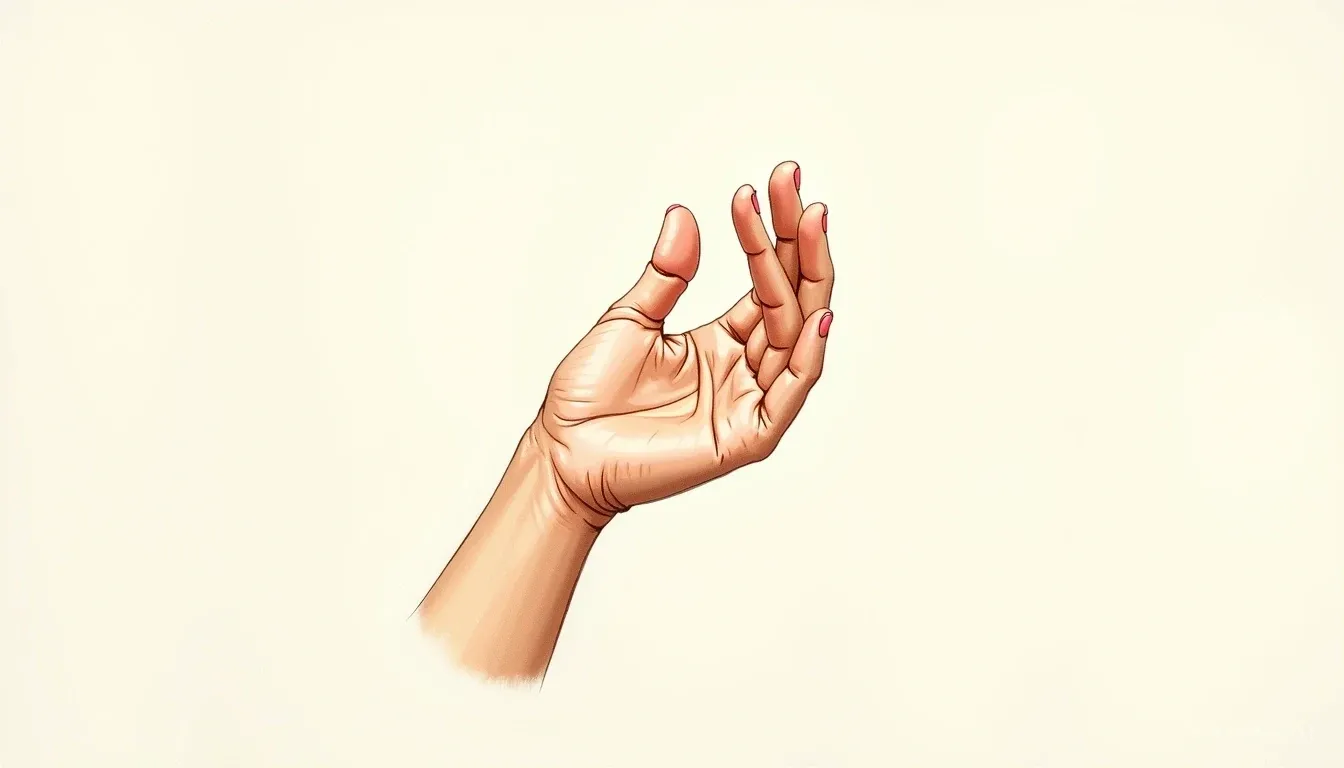
The Mount of Jupiter (Guru Parvat) is the fleshy area on the palm beneath the index finger (Jupiter finger). It represents Jupiter's qualities — leadership, ambition, ethical authority, expansion, wisdom, and benevolent power.
Location
- Beneath the base of the index finger.
- Above the heart line.
- Between the thumb base and middle finger base.
What It Reveals
- Leadership ability and natural authority.
- Ambition level and desire for recognition.
- Ethical orientation and dharmic conduct.
- Capacity for benevolent power.
- Religious-spiritual inclination.
- Pride and ego patterns.
For your personalised palmistry-birth chart combined analysis, generate your free birth chart reading.
How Do You Read Mount of Jupiter Development?
Well-Developed Mount
Indicates: strong natural leadership ability, healthy ambition without excessive ego, ethical authority that others naturally respect, capacity for substantial accomplishment, religious-spiritual inclination, and benevolent power orientation.
Underdeveloped Mount (Flat or Depressed)
Indicates: lack of leadership drive, excessive humility that may limit accomplishment, difficulty stepping into authority roles, low ambition, and need for conscious leadership development.
Overdeveloped Mount (Excessively Raised)
Indicates: excessive pride and ego inflation, dominating tendency rather than benevolent leadership, ambition becoming arrogance, religious zealotry possible, and need for humility practice.
Balanced Mount (Moderately Raised)
Most beneficial — provides natural leadership ability without excessive ego, healthy ambition, and capacity for sustained accomplishment.
How Do You Read Mount of Jupiter Shape?
Round Mount
Indicates harmonious leadership ability, generous nature, and capacity to inspire others through warmth.
Elongated Mount
Indicates ambition focused in specific direction, capacity for sustained pursuit of single goal, but possibly limited flexibility.
Distorted or Asymmetrical Mount
Indicates leadership themes affected by ego conflicts, unusual life experiences with authority, or specific karmic patterns requiring conscious work.
Flat Mount
Indicates leadership undeveloped naturally — requires conscious cultivation if leadership is desired.
What Do Special Markings on Mount of Jupiter Mean?
Vertical Lines
One or more clear vertical lines indicate leadership lines (Samudra Rekha in some traditions) — supporting leadership achievement.
Cross on Mount
Cross indicates either spiritual authority (positive interpretation — religious leadership, dharmic teaching) or significant authority challenges to overcome (more difficult interpretation depending on cross quality and position).
Star on Mount
Star is highly auspicious — indicates exceptional leadership achievement, public recognition, significant accomplishment in authority position.
Triangle on Mount
Triangle indicates intellectual leadership ability — capacity to lead through knowledge, wisdom, and intellectual contribution.
Square on Mount
Square is protective — indicates divine or karmic protection during leadership challenges.
Trishula (Trident) on Mount
Trishula on Jupiter mount is highly auspicious in Vedic palmistry — indicates divine support for leadership, religious authority, dharmic accomplishment.
Circle on Mount
Circle indicates either restriction of leadership ability or completion of leadership cycle — interpretation depends on context.
How Does Mount of Jupiter Interact With Other Palm Features?
With Index Finger Length
Index finger reaching above middle finger's first joint + strong Jupiter mount = exceptional leadership capacity. Short index finger + strong mount = leadership ability without natural authority — leadership through achievement rather than presence.
With Heart Line Starting Point
Heart line starting from Mount of Jupiter indicates leadership through love and ethical conduct — leaders who care for those they lead.
With Head Line
Strong Jupiter mount + clear head line = intelligent leadership combining authority with wisdom.
With Saturn Mount
Strong Jupiter + strong Saturn mounts = leadership combined with discipline (executive capacity), ideal for sustained authority positions.
With Sun Mount
Strong Jupiter + strong Sun mounts = leadership combined with creative recognition (charismatic authority), suited for public leadership.
What Are Best Vedic Remedies for Mount of Jupiter Activation?
Jupiter Remedies
- Om Brihaspataye Namah daily (Thursdays).
- Jupiter Beej Mantra: Om Graam Greem Graum Sah Gurave Namah.
- Vishnu Sahasranama (Vishnu is Jupiter's deity).
Worship
- Lord Vishnu (primary Jupiter deity).
- Lord Brihaspati (rare direct Jupiter worship).
- Goddess Saraswati (wisdom support).
- Sage gurus and divine teachers.
Charity (Thursdays)
- Yellow lentils, turmeric, books, gold.
- Help teachers, religious scholars, priests.
- Donate to educational institutions.
Lifestyle for Leadership Activation
- Develop leadership skills consciously through practice.
- Honor teachers and dharmic authority.
- Practice ethical conduct as leadership foundation.
- Read dharmic and wisdom literature.
- Engage service-oriented leadership rather than dominance.
- Wear yellow sapphire (Pukhraj) only after astrological consultation.
For complete Mount of Jupiter analysis combining palmistry with your birth chart, consult a detailed birth chart reading.
Your Birth Chart Reveals Far More Than Palm Lines
Vedic astrology provides depth that palmistry cannot reach. Get a complete career and life direction analysis based on your exact birth chart.
Get Your JanampatriPersonalized Report
Janampatri (Birth Chart Report)
Your palm lines and your birth chart are two maps of the same destiny — see both together
- Personalized analysis based on YOUR exact birth chart
- Expert-prepared by Dr. Meenakshi Sharma
- Delivered as PDF within 24-48 hours
- Unlimited follow-up clarifications
By Dr. Meenakshi Sharma · Delivered in 24-48 hours

Dr. Meenakshi Sharma
PhD in Vedic Astrology, 20+ Years Experience
Dr. Meenakshi Sharma is a distinguished Vedic astrologer with a PhD in Vedic Astrology and over 20 years of professional experience in the ancient science of Jyotisha. Her extensive practice encompasses thousands of chart readings, predictive analyses, and remedial consultations, making her uniquely qualified to bridge traditional Vedic wisdom with contemporary applications. As a contributing writer for AstroSight, Dr. Sharma specializes in natal chart analysis, predictive astrology, and Vedic remedial measures, sharing her deep knowledge through insightful articles that make complex astrological concepts accessible to practitioners at all levels. Her approach combines rigorous academic training with ethical consultation standards, empowering clients through education and practical guidance while maintaining authentic adherence to classical Vedic principles.