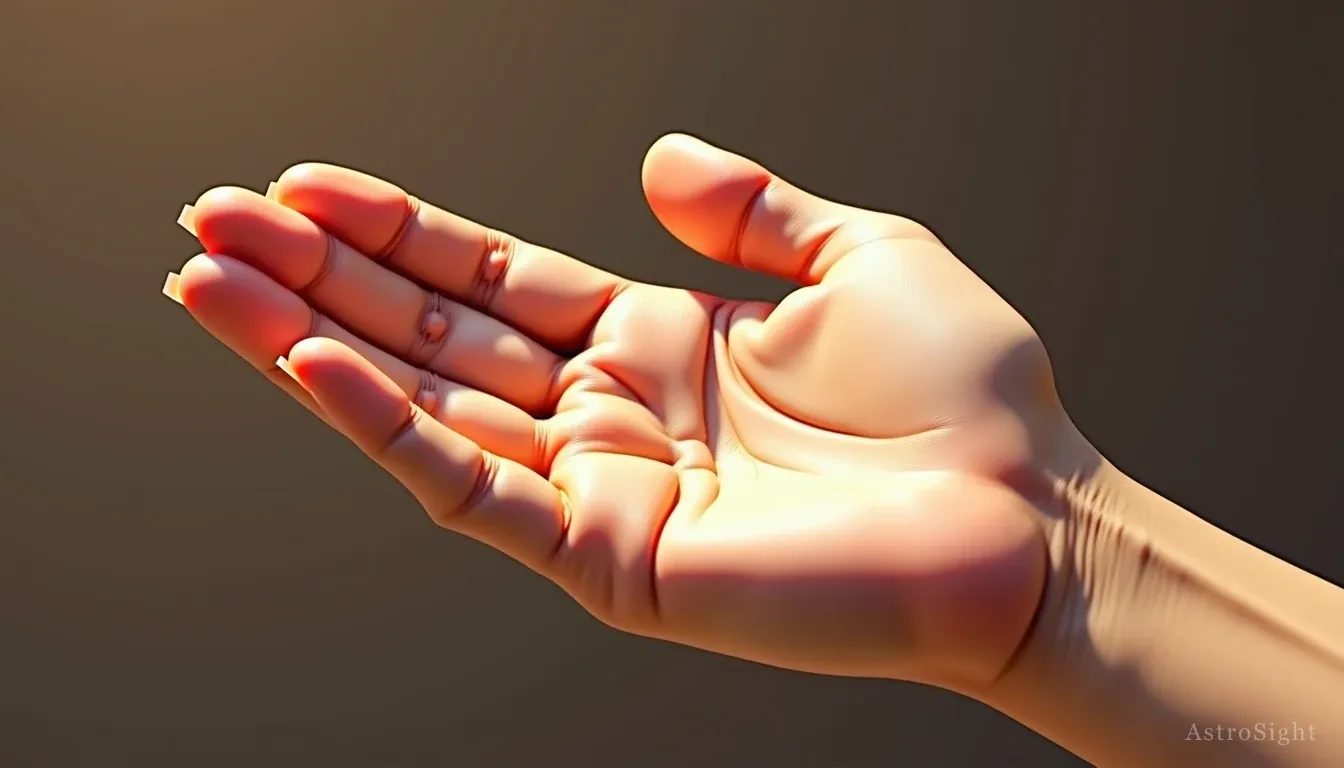
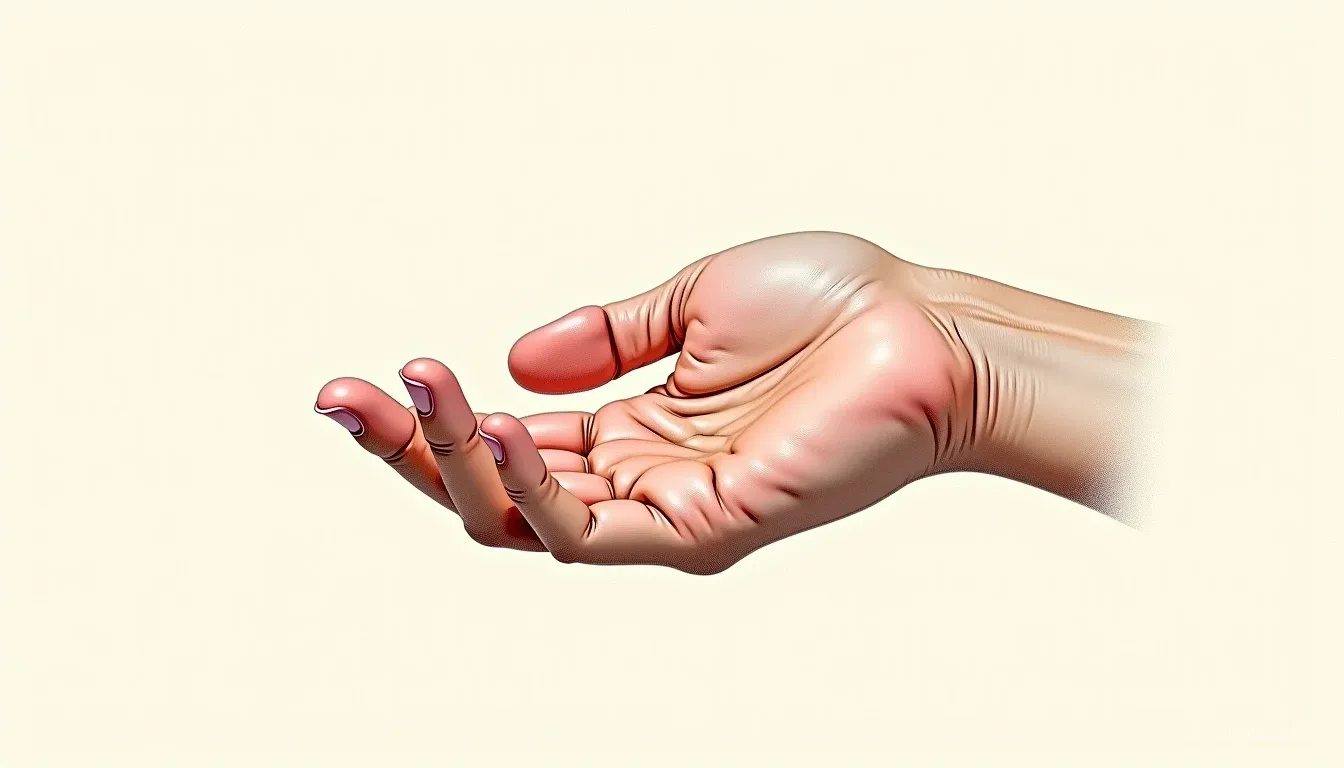
Introduction to Palmistry
Palmistry, also known as chiromancy or palm reading, is an ancient practice of interpreting the lines, mounts, and shapes of the hand to gain insights into personality, health, and life events. This art has been practiced for thousands of years across cultures including Indian, Chinese, and European traditions. Modern palmistry combines traditional wisdom with psychological understanding.
The Major Lines of the Palm
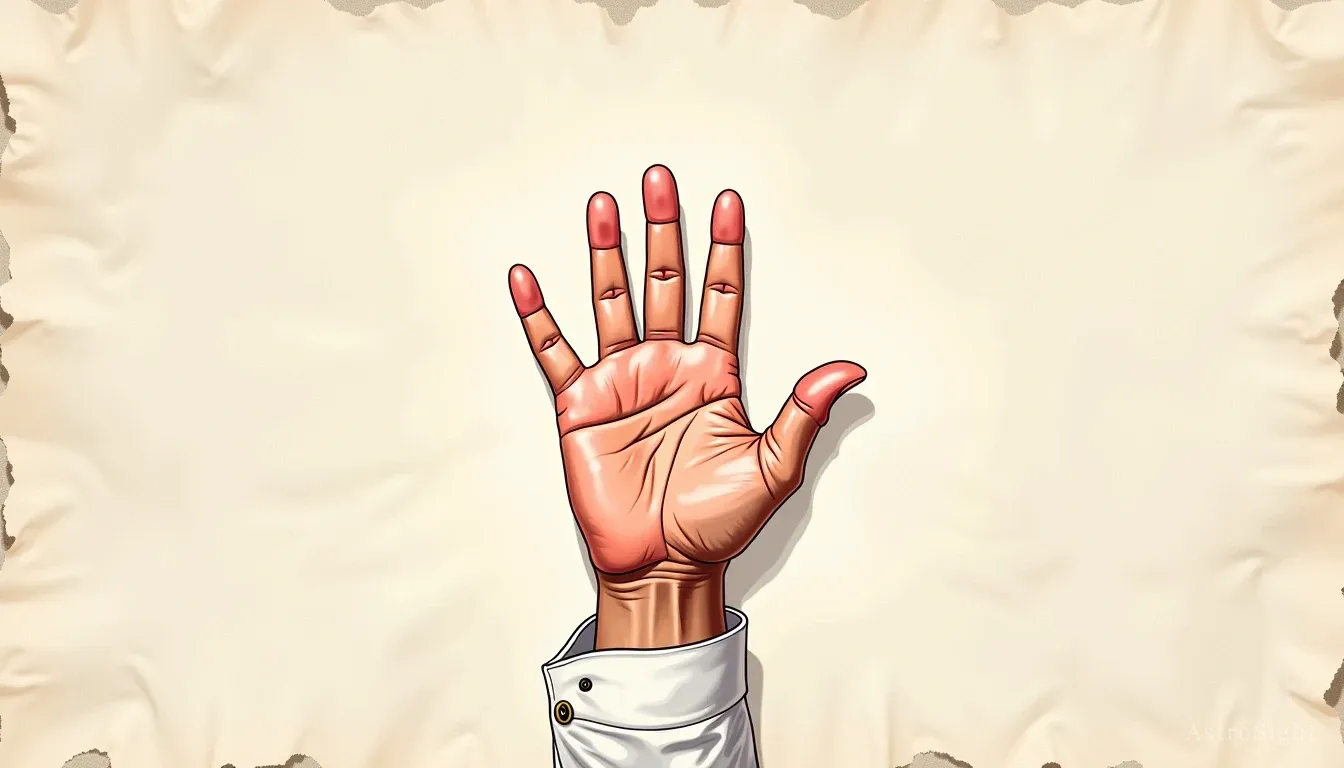
The four major lines in palmistry are the Life Line, Heart Line, Head Line, and Fate Line. The Life Line curves around the thumb and indicates vitality and life changes rather than length of life. The Heart Line runs across the top of the palm and reveals emotional nature. The Head Line shows intellectual tendencies, while the Fate Line indicates career and life direction.
Understanding Palm Mounts
The seven mounts of the palm correspond to planetary influences. The Mount of Jupiter (below index finger) relates to ambition and leadership. Venus mount (thumb base) indicates love and passion. Saturn mount shows discipline, while Sun mount reveals creativity. Mercury mount relates to communication, Moon mount to imagination, and Mars mounts to courage and resilience.
Hand Shapes and Elements
Palmistry categorizes hands into four elemental types: Earth (square palm, short fingers), Air (square palm, long fingers), Water (long palm, long fingers), and Fire (long palm, short fingers). Each hand shape indicates fundamental personality traits and preferred ways of engaging with the world.
Reading Minor Lines and Markings
Beyond the major lines, palmists examine minor lines like the Sun Line (success), Marriage Lines, Children Lines, and Travel Lines. Special markings such as stars, crosses, islands, and chains on the lines provide additional information about specific life events, challenges, and opportunities.