
Is the Hanuman Aarti the right remedy for your chart?
Your Janampatri reveals whether Mars & Saturn needs remediation — and which specific mantra applies to you.
Hanuman Aarti: Complete Lyrics in Hindi & English with Meaning
Compiled & verified by Acharya Ravi Teja, Vedic Remedial Scholar · 18+ Years Practice — Updated June 2026
Hanuman Aarti ("Aarti Kijiye Hanuman Lala Ki") is Tulsidas's 6-verse lamp-offering prayer performed at the close of Hanuman Puja, after the Chalisa. It takes 2–3 minutes. Perform on Tuesdays and Saturdays with a circling ghee lamp.
Complete Hanuman Aarti — All 6 Verses
| # | Sanskrit (Devanagari) | Transliteration | Meaning |
|---|---|---|---|
| 1 | आरती कीजै हनुमान लला की। दुष्ट दलन रघुनाथ कला की॥ | Aarti Kijiye Hanuman Lala Ki. Dusht Dalan Raghunaath Kala Ki. | Perform the Aarti of young Hanuman — destroyer of the wicked and the very kala (art-form, skilled expression) of Lord Rama's divine power in the world. ಕನ್ನಡ: ಯುವ ಹನುಮಂತನ ಆರತಿ ಮಾಡಿರಿ — ದುಷ್ಟರ ನಿವಾರಕ, ಶ್ರೀರಾಮನ ದಿವ್ಯ ಶಕ್ತಿಯ ಕಲಾ ರೂಪ. |
| 2 | जाके बल से गिरिवर काँपे। रोग दोष जाके निकट न झाँपे॥ | Jake Bal Se Girivar Kanpe. Rog Dosh Jake Nikat Na Jhanpe. | Through whose strength even mountains tremble — and near whom diseases (rog) and astrological afflictions (dosh) dare not approach. ಕನ್ನಡ: ಯಾರ ಬಲದಿಂದ ಪರ್ವತಗಳು ನಡುಗುತ್ತವೆ — ಮತ್ತು ಯಾರ ಸಮೀಪ ರೋಗ ಮತ್ತು ದೋಷಗಳು ಸಮೀಪಿಸಲು ಧೈರ್ಯ ಮಾಡಲ್ಲ. |
| 3 | अंजनिपुत्र महा बलदाई। संतन के प्रभु सदा सहाई॥ | Anjaniputra Maha Baldai. Santan Ke Prabhu Sada Sahai. | Son of Anjana, the great giver of strength — always the Lord and helper of the saints and all devotees on the spiritual path. ಕನ್ನಡ: ಅಂಜನಿಯ ಪುತ್ರ, ಮಹಾ ಶಕ್ತಿ ನೀಡುವ — ಸಂತರ ಮತ್ತು ಆಧ್ಯಾತ್ಮಿಕ ಮಾರ್ಗದ ಭಕ್ತರ ಸದಾ ಸ್ವಾಮಿ ಮತ್ತು ಸಹಾಯಕ. |
| 4 | दे बीड़ा रघुपति मुस्काई। अंगद-श्याम-शेष गुन गाई॥ | De Bida Raghupati Muskai. Angad Shyam Shesh Gun Gai. | Smiling, Raghupati (Rama) gave him the betel leaf as he sent him to Lanka — and Angad, Shyam (Krishna), and Shesha all sang his praises. ಕನ್ನಡ: ನಗುತ್ತಾ ರಘುಪತಿ (ರಾಮ) ಅವನಿಗೆ ಲಂಕೆಗೆ ಕಳಿಸುವಾಗ ತಾಂಬೂಲ ನೀಡಿದ — ಅಂಗದ, ಶ್ಯಾಮ (ಕೃಷ್ಣ) ಮತ್ತು ಶೇಷ ಎಲ್ಲರೂ ಅವನ ಸ್ತುತಿ ಹಾಡಿದರು. |
| 5 | लंका विध्वंस कीन्ह रघुराई। तुलसीदास प्रभु कीर्ति गाई॥ | Lanka Vidhvans Keen Raghurai. Tulsidas Prabhu Kirti Gai. | The destruction of Lanka was accomplished by Raghurai (Rama's authority) — and Tulsidas sings the glory of this great Lord. ಕನ್ನಡ: ಲಂಕಾ ವಿಧ್ವಂಸ ರಘುರಾಯ (ರಾಮನ ಅಧಿಕಾರ)ದಿಂದ ಸಾಧಿಸಲಾಯಿತು — ಮತ್ತು ತುಳಸೀದಾಸ ಈ ಮಹಾ ಪ್ರಭುವಿನ ಮಹಿಮೆ ಹಾಡುತ್ತಾನೆ. |
| 6 | आरती कीजै हनुमान लला की। दुष्ट दलन रघुनाथ कला की॥ | Aarti Kijiye Hanuman Lala Ki. Dusht Dalan Raghunaath Kala Ki. | Perform the Aarti of young Hanuman — destroyer of the wicked, the art-form of Lord Rama. (Closing refrain — repeat with full devotion.) ಕನ್ನಡ: ಯುವ ಹನುಮಂತನ ಆರತಿ ಮಾಡಿರಿ — ದುಷ್ಟರ ನಿವಾರಕ, ಶ್ರೀರಾಮನ ಕಲಾ ರೂಪ. (ಮುಕ್ತಾಯ ಧ್ರುವಪದ — ಪೂರ್ಣ ಭಕ್ತಿಯಿಂದ ಪುನರಾವರ್ತಿಸಿ.) |
Benefits of Reciting Hanuman Aarti
- 1Seals the protective energy invoked during the Hanuman Chalisa
- 2Transfers Hanuman's tejas (divine radiance) through the flame offering
- 3Verse 2 specifically removes diseases and astrological afflictions (doshas)
- 4Removes obstacles when performed on Tuesdays and Saturdays
- 5Creates a clear sacred boundary — Puja time to daily activity
When to Recite Hanuman Aarti
- ⏰Immediately after Hanuman Chalisa — as the ceremonial close of Puja
- ⏰Tuesday and Saturday mornings — Hanuman's most powerful days
- ⏰Brahma Muhurta (pre-sunrise) and Pradosh Kaal (after sunset)
- ⏰At Hanuman temples during darshan
History and Origin of Hanuman Aarti
Hanuman Aarti is the traditional lamp-offering (Deepa Aarti) sung at the conclusion of Hanuman puja. The opening verse "Aarti Kije Hanuman Lala Ki" is attributed to medieval Vaishnava devotional tradition and is sung in virtually every Hanuman temple in India. The aarti follows the Hanuman Chalisa in the standard Hanuman puja sequence and serves as the formal conclusion to worship.
The word Aarti derives from the Sanskrit Aartrika — the ritual of waving a lamp before a deity. The circular movement of the lamp represents the cycle of time and the devotee's surrender to the deity's divine light. Performing aarti is considered to remove obstacles from the devotee's life in proportion to the sincerity of their devotion.
How to Recite Hanuman Aarti — Correct Practice
Hanuman Aarti is performed in temples across India every Tuesday and Saturday at sunrise and sunset. The standard sequence is: Hanuman Chalisa recitation → Aarti → offering of prasad (usually sweet laddoos or jaggery). The aarti takes 3–4 minutes and is typically accompanied by a small bell, ghee lamp, and incense.
In home puja, a simpler version is performed with a camphor lamp (Karpoor Aarti). Light the camphor on a plate, wave it in clockwise circles before Hanuman's image while singing the aarti, then pass the flame to family members to hold their hands over. This distributes the protective energy of the aarti to everyone present.
Generate Janampatri
Know which planetary periods are active in your chart right now — and which mantra remedies apply specifically to you.
Hanuman Aarti as a Vedic Astrology Remedy
Performing Hanuman Aarti on Tuesdays specifically addresses Mars afflictions and Mangal Dosha. On Saturdays, it addresses Saturn's Sade Sati. The Aarti's second verse (Rog Dosh Jake Nikat Na Jhampai — "disease and affliction dare not come near") is the scriptural basis for including it in health-focused puja routines.
Classical astrologers prescribe Hanuman Aarti alongside the Hanuman Chalisa as a complete protective practice. The Chalisa builds the devotional relationship; the Aarti completes and seals it with the light offering. For those running Rahu Mahadasha, performing both the Chalisa and the Aarti at dawn every day for 18 months (Rahu's full period) is the standard prescription.
Free Calculators to Use Alongside This Mantra
Frequently Asked Questions
Hanuman Aarti is traditionally performed after the Hanuman Chalisa recitation, at the end of Hanuman puja. The best times are sunrise and sunset on Tuesdays and Saturdays. It is also performed at the conclusion of any Hanuman temple visit.
The standard sequence is: 1) Take a bath, 2) Light a lamp and incense, 3) Offer red flowers or sindoor to Hanuman's image, 4) Recite Hanuman Chalisa (1, 7, or 11 times), 5) Perform Aarti, 6) Offer prasad (laddoo or jaggery), 7) Pray for your specific intention.
A ghee (clarified butter) lamp in a clay diya with one wick is traditional. Ghee represents purity and Sattva; its smoke carries the prayer upward. If ghee is unavailable, sesame oil is the next choice. Camphor (Kapur) is used for the quick Karpoor Aarti version. Never use a regular wax candle — wax is not a prescribed sacred medium in Vedic ritual.
Technically yes, but traditionally the Aarti is the ceremonial close of the complete puja. The Chalisa builds devotional energy; the Aarti seals it with light. For rushed days, the minimum practice is: light a lamp, sing the Aarti (3 minutes), and offer prasad. The full Chalisa + Aarti combination is prescribed for Tuesdays and Saturdays when the full protective benefit is desired.
Face east (toward the rising Sun) for morning Aarti, or face the Hanuman image during any time-of-day performance. Circle the lamp clockwise — this Pradakshina motion mirrors the movement of planets around the Sun. Never circle counter-clockwise; that direction is reserved for death rites (Antyeshti Kriya) in Vedic ritual tradition.
Traditional prasad for Hanuman is Motichur Laddoo, Besan Laddoo, or jaggery (gur). The Ramcharitmanas mentions Hanuman's love for sweet offerings. Place prasad before the deity during the Aarti and distribute it to all present afterward. On Tuesdays and Saturdays, offering 5 or 11 laddoos is traditional. Never offer onion, garlic, or meat at a Hanuman shrine.
The traditional count is 7 full circles — one for each of the 7 sacred rivers, or the 7 musical notes (Hanuman is a great musician). In temples, priests may circle 21 times. For home practice, 7 complete circles while singing the entire Aarti is standard. Always end with one final slow large circle to complete the offering. The circular motion symbolizes the cycle of time and the devotee's surrender.
Watching a video is useful for learning the words and tune, but the tradition requires you to physically light the lamp and circle it yourself. The act of physically offering light to the deity is what generates the devotional merit. Silent mental participation while watching is secondary but valid. For full benefit, perform the physical Aarti at home with your own lamp — even once a week surpasses passive viewing.
In temples, the pujari performs Aarti with a large 5-wicked Pancharati lamp, bells, conch shell, and drums — with multiple rounds including Panchamruta Aarti and Vastra Aarti. At home, a single ghee lamp with one wick is fully sufficient. The deity receives equal merit from a sincere home Aarti as from a temple ceremony — elaborateness amplifies form, but sincerity amplifies substance.
No — Hanuman Aarti can be performed any day. Tuesdays (Mars's day) and Saturdays (Saturn's day, most needed for Sade Sati protection) are the most powerful days. For those running Rahu Mahadasha or facing chronic problems, daily Aarti at dawn for the full Mahadasha period is the classical prescription from Vedic astrologers. Daily practice consistently outperforms occasional intense sessions.
Related Mantras
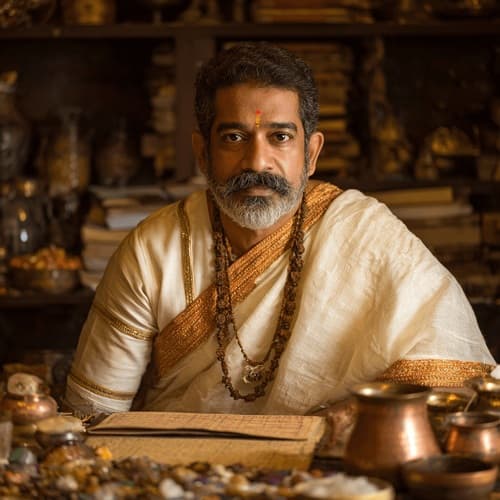
Acharya Ravi Teja
Vedic Astrology Remedies Expert • 18+ Years Experience
Distinguished remedial astrology expert specializing in gemstone recommendations, yantra installations, and dosha mitigation strategies. Trusted by thousands for accurate Hanuman Mantras interpretations.
Your Personalised Mantra Awaits
Now that you've learnt about astrology, take the next step towards personalised guidance.
Consult our AI Astrologer to receive insights based on your unique birth chart and discover the remedies, mantras, and astrological guidance best suited for you.