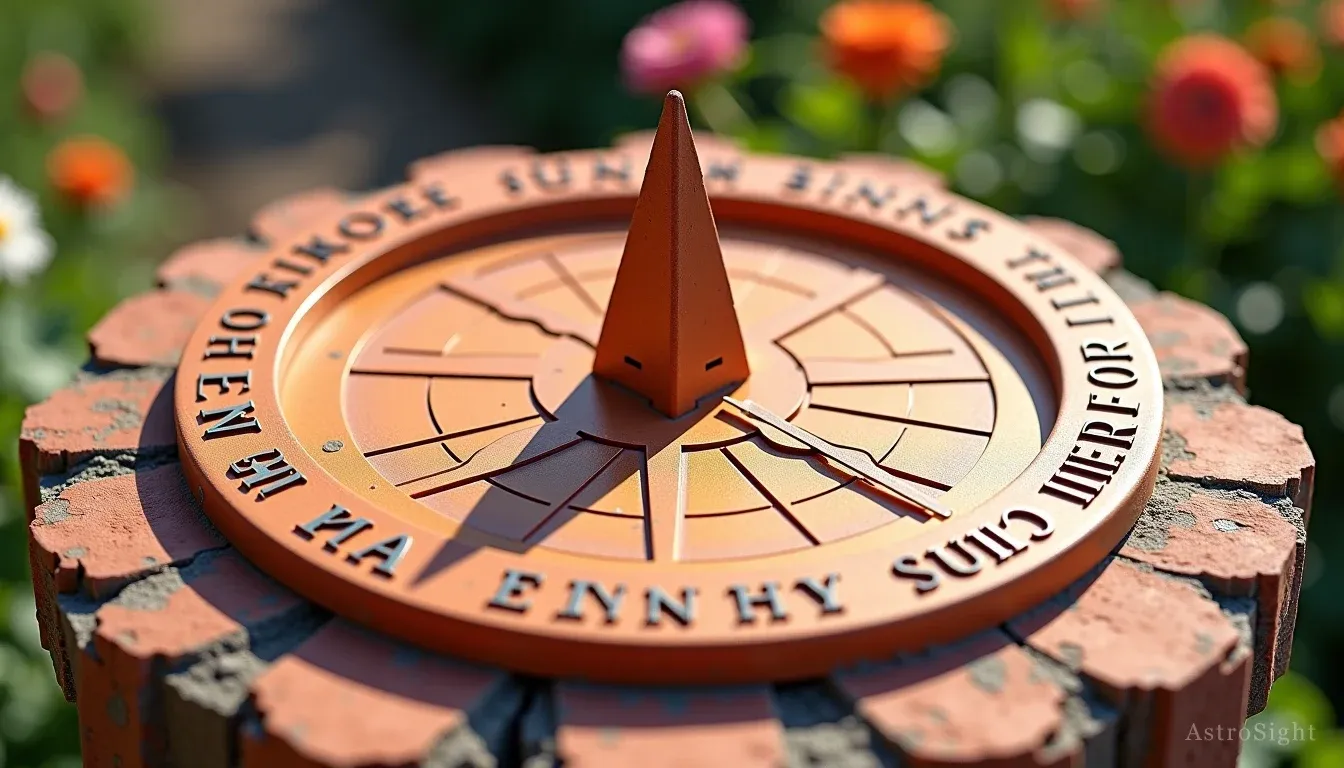
Yoga in Panchang: 27 Yogas — Meaning & Auspicious Days
Reviewed by Shri Ankit Bansal, Vedic Astrology & Panchang Expert — May 2026 Use the birth chart calculator to see how this applies to your personal Vedic chart.
Reviewed by Shri Ankit Bansal, Vedic Astrology & Panchang Expert — May 2026 Use the birth chart calculator to see how this applies to your personal Vedic chart.
Yoga in Panchang is one of the five essential limbs of the daily Hindu almanac — along with Tithi, Nakshatra, Karana, and Vaar — and has nothing to do with the physical postures known as hatha yoga. As of 2026, Panchang Yoga is the computed astrological period that governs whether a given time window is cosmically supportive, neutral, or obstructive for various types of activity. Understanding all 27 Yogas enables a practitioner to choose the right day not only by avoiding the inauspicious but by actively targeting the most powerful.
> Quick Answer: Yoga in Panchang is calculated by adding the Sun's and Moon's longitudes and dividing the sum into 27 equal segments of 13°20' each. Each segment is one Yoga, named in a fixed sequence from Vishkambha to Vaidhriti. Some Yogas are auspicious for new ventures, weddings, and travel; others must be avoided for important activities.
What Is Yoga in the Context of Panchang?
> Quick Answer: In Panchang, Yoga (also written Yog) is a time period derived from the combined daily motion of the Sun and Moon. It is not a spatial position but a computed number representing the quality of the combined solar-lunar energy on any given day. All 27 Yogas cycle through the month in sequence, with each Yoga lasting approximately 16 to 24 hours.
The Sanskrit word "Yoga" in this context means "union" or "combination" — specifically, the mathematical union of the Sun and Moon's positions. Unlike Tithi, which measures only the Moon's position relative to the Sun, Yoga adds their absolute longitudes together, producing a different type of daily quality indicator.
The Brihat Parashara Hora Shastra, the foundational text of Vedic astrology compiled by the sage Parashara, discusses the 27 Yogas as part of the Panchang's daily indicators. The text classifies Yogas into three broad categories: auspicious (Shubha), inauspicious (Ashubha), and mixed — with subcategories within each.
The calculation is straightforward: add the Sun's longitude (in degrees) to the Moon's longitude (in degrees). Divide the sum by 13 degrees 20 minutes (the arc of each Yoga). The quotient gives the current Yoga number in the sequence of 27. Since the Sun moves approximately 1 degree per day and the Moon moves approximately 13 degrees per day, the combined daily motion averages about 14 degrees, meaning each Yoga typically lasts between 16 and 24 hours.
How to Calculate Yoga from a Panchang
> Quick Answer: To find today's Yoga, look up the Sun's longitude (Surya Sphuta) and the Moon's longitude (Chandra Sphuta) from your Panchang. Add them together. Divide by 13°20' (or 800 minutes of arc). The whole number result gives the Yoga's sequence number in the 27-Yoga cycle. Most Panchang apps calculate this automatically.
The manual calculation of Yoga: 1. Find the Sun's longitude for the day (e.g., 45°30' = 45.5 degrees) 2. Find the Moon's longitude for the day (e.g., 210°15' = 210.25 degrees) 3. Add them: 45.5 + 210.25 = 255.75 degrees 4. Convert to minutes: 255.75 × 60 = 15,345 minutes 5. Divide by 800 (minutes in 13°20'): 15,345 / 800 = 19.18 6. The whole number 19 corresponds to the 19th Yoga in the sequence: Vajra
The Yoga active at sunrise governs the day. Some Yogas, particularly inauspicious ones, have specific time windows within the day that are especially harmful — these are noted in the detailed Panchang.
All 27 Yogas: Names and Their Nature
> Quick Answer: The 27 Yogas in sequence are: Vishkambha, Priti, Ayushman, Saubhagya, Shobhana, Atiganda, Sukarman, Dhriti, Shula, Ganda, Vriddhi, Dhruva, Vyaghata, Harshana, Vajra, Siddhi, Vyatipata, Variyan, Parigha, Shiva, Siddha, Sadhya, Shubha, Shukla, Brahma, Indra, and Vaidhriti. Of these, 10 are primarily auspicious, 9 are inauspicious, and 8 are mixed.
1. Vishkambha — Mixed/Moderate. The first Yoga carries a sense of obstruction at the start but resolves well. Activities requiring persistence work under Vishkambha.
2. Priti — Auspicious. "Love and affection." Excellent for social activities, forming new friendships, and matters of the heart. The Muhurta Chintamani rates Priti highly for auspicious social occasions.
3. Ayushman — Auspicious. "Long life." Excellent for health-related activities, medical treatments initiated for longevity, and anything connected to sustaining life. Starting health regimens under Ayushman is particularly favoured.
4. Saubhagya — Auspicious. "Good fortune." One of the most favoured Yogas for marriages, important purchases, and new ventures. The name directly translates as prosperity and good luck.
5. Shobhana — Auspicious. "Brilliance." Ideal for artistic endeavours, ceremonies requiring beauty and auspiciousness, and any activity where one wishes to make a positive impression.
6. Atiganda — Inauspicious. "Very troubled." This Yoga carries obstacles and disruptions. New ventures and important events are avoided under Atiganda. The Brihat Parashara Hora Shastra warns specifically against beginning new work under this Yoga.
7. Sukarman — Auspicious. "Good actions." The name itself signals that this Yoga supports righteous, beneficial activities. Charitable acts, religious ceremonies, and professional launches performed under Sukarman receive the Yoga's blessing.
8. Dhriti — Auspicious. "Steadiness." Excellent for activities requiring stability, commitment, and long-term resolve. Starting a new educational course, signing a long-term agreement, or beginning a sustained spiritual practice under Dhriti is ideal.
9. Shula — Inauspicious. "Thorn/pain." This Yoga is associated with obstacles, conflict, and suffering. Travel, medical procedures for acute conditions, and important decisions are avoided under Shula.
10. Ganda — Inauspicious. "Knotted/problematic." Ganda carries the quality of entanglement and complexity. Problems started under Ganda are difficult to unravel.
11. Vriddhi — Auspicious. "Growth/increase." One of the most powerful Yogas for beginning anything intended to grow over time — businesses, investments, agricultural activities, and family-building projects.
12. Dhruva — Auspicious. "Fixed/permanent." Excellent for events intended to last permanently — marriages, laying foundations, signing deeds, and making permanent commitments.
13. Vyaghata — Inauspicious. "Strike/blow." This Yoga carries a quality of sudden disruption. Activities involving travel or confrontation are particularly avoided.
14. Harshana — Auspicious. "Joy/delight." Suitable for celebrations, joyful occasions, and activities where happiness is the primary intention.
15. Vajra — Mixed. "Thunderbolt." Carries both destructive and purifying qualities. Good for activities requiring strength and decisiveness, but not for peaceful social occasions.
16. Siddhi — Auspicious. "Achievement/perfection." One of the most valued Yogas for achieving specific goals. The Muhurta Chintamani places Siddhi among the top Yogas for muhurta selection.
17. Vyatipata — Inauspicious. "Great calamity." One of the two most inauspicious Yogas in the system. The Brihat Parashara Hora Shastra describes Vyatipata as a day of complete misfortune. No important activity is undertaken under Vyatipata.
18. Variyan — Auspicious. "Distinguished/best." Good for activities requiring discernment, quality, and excellence.
19. Parigha — Inauspicious. "Crossbar/obstruction." Activities under Parigha face obstruction and delayed results.
20. Shiva — Auspicious. "Auspicious/Shiva." Named after the deity, this Yoga is considered highly favourable for all religious activities, particularly Shiva worship and auspicious ceremonies.
21. Siddha — Auspicious. "Accomplished." Closely related to Siddhi, this Yoga supports the successful completion of intended goals.
22. Sadhya — Auspicious. "Achievable." Indicates that the intended goal is within reach. Good for realistic, practical undertakings.
23. Shubha — Auspicious. "Auspicious." One of the five most celebrated auspicious Yogas. The Muhurta Chintamani treats Shubha as a Yoga of first-rank auspiciousness for social ceremonies.
24. Shukla — Auspicious. "Pure/white." Named for purity, this Yoga is especially favoured for religious observances, purification rituals, and auspicious social events.
25. Brahma — Auspicious. "Creative/universal." Named after Brahma the creator, this Yoga supports creative work, new beginnings, and activities requiring inspiration.
26. Indra — Auspicious. "Sovereign power." Named after Indra the king of the gods, this Yoga lends authority, success in leadership, and auspiciousness to important undertakings.
27. Vaidhriti — Inauspicious. "Without support." The other of the two most inauspicious Yogas alongside Vyatipata. The Brihat Parashara Hora Shastra describes Vaidhriti as entirely inauspicious for new beginnings.
The 5 Most Favourable Yogas for Important Work
> Quick Answer: The five most prized Yogas for muhurta (auspicious timing) selection are Siddhi, Shubha, Shukla, Brahma, and Indra. These Yogas appear frequently in classical muhurta texts as the highest-quality days for weddings, business launches, important travel, and ceremonial events. Siddhi and Shubha in particular are the first choices for major life events.
Classical muhurta texts, including the Muhurta Chintamani authored by Rama Dayalu, establish a hierarchy among the 27 Yogas. At the top of this hierarchy for most auspicious activities:
Siddhi Yoga: This Yoga — the 16th in the sequence — carries the concentrated energy of achievement. It is the most commonly selected Yoga for marriage muhurtas, business inaugurations, and major religious ceremonies in the North Indian tradition.
Shubha Yoga: The 23rd Yoga, named for auspiciousness itself. The Muhurta Chintamani places Shubha among the best Yogas available for any positive activity. Combined with a strong Tithi and Nakshatra, Shubha Yoga creates a triple auspiciousness that muhurta experts seek.
Shukla Yoga: The 24th Yoga, associated with purity and clarity. Particularly prized for religious observances, Vedic ceremonies, and any activity requiring a pure beginning.
Brahma Yoga: The 25th Yoga, associated with creative power. Ideal for beginning new educational endeavours, artistic projects, and creative ventures.
Indra Yoga: The 26th Yoga, associated with sovereignty. Favoured for activities relating to authority, leadership, legal matters, and government interactions.
Inauspicious Yogas to Avoid for New Ventures
> Quick Answer: Vyatipata (17th) and Vaidhriti (27th) are the two most inauspicious Yogas and are absolute contraindications for new ventures, muhurtas, and auspicious events. Atiganda (6th), Shula (9th), Ganda (10th), and Vyaghata (13th) are also strongly inauspicious. Vyatipata and Vaidhriti are called "Maha Dosha Yogas" in many classical texts.
The Brihat Parashara Hora Shastra is explicit: Vyatipata and Vaidhriti are the two Yogas under which no auspicious event should be undertaken. These Yogas are referred to in some texts as "Ashubha Tattva" — essentially containing no auspicious quality whatsoever for worldly purposes.
Vyatipata (17th): Classical texts describe this as a day of great calamity. The Muhurta Chintamani states that activities begun under Vyatipata face catastrophic obstacles. Some texts permit worship and acts of charity under Vyatipata, acknowledging that even this Yoga has a spiritual dimension, but all worldly beginnings are forbidden.
Vaidhriti (27th): The last Yoga in the cycle, Vaidhriti means "without support." Things begun under Vaidhriti lack the cosmic sustaining energy needed to survive and grow. The 27th position itself carries the energy of endings rather than beginnings.
Atiganda (6th), Shula (9th), Ganda (10th), and Vyaghata (13th) are secondarily inauspicious. They are avoided for important events but may be used for routine activities with appropriate remedial measures.
How to Find Your Yoga from a Daily Panchang
> Quick Answer: In any printed or digital Panchang, Yoga is listed as one of the five daily Panchang entries. Look for the row or field labelled "Yoga" alongside Tithi, Nakshatra, Karana, and Vaar. The listing will show the Yoga's name and the time it ends (when the next Yoga begins). For the day's primary Yoga, the one active at sunrise governs the entire day's character.
Reading Yoga from a Panchang:
Printed Panchang: Daily Panchang tables list the Yoga by name with start and end times. The format is typically: Yoga name — ends at time]. If the listed Yoga ends before sunrise the next day, that Yoga governs the current day.
Digital Panchang apps: Most Vedic calendar apps show the current Yoga prominently alongside Tithi and Nakshatra. The app automatically calculates based on your location's sunrise time, making the process instantaneous.
Identifying inauspicious Yoga days: Before scheduling any important event, check whether the target date falls under Vyatipata, Vaidhriti, Atiganda, Shula, Ganda, or Vyaghata. If it does, shift the event by one or two days to access a more auspicious Yoga.
For daily Panchang reading including all five limbs, see the complete guide at Vedic Panchang: Tithi, Nakshatra, Yoga, Karana, Vaar and Aaj Ka Panchang — Complete Guide to Reading the Daily Panchang.
Classical Text References for Panchang Yoga
> Quick Answer: The Brihat Parashara Hora Shastra dedicates a chapter to the 27 Yogas and their influence on activities. The Muhurta Chintamani by Rama Dayalu provides detailed guidance on which Yogas are best for specific muhurtas. The Jyotish Ratnamala also treats Yoga selection as one of the core pillars of muhurta.
The scriptural foundation for Panchang Yoga is deep and consistent across multiple layers of classical Vedic literature.
The Brihat Parashara Hora Shastra (BPHS), the master text of Vedic astrology attributed to the sage Parashara and considered the primary authority on all Jyotish matters, includes a dedicated section on the 27 Yogas. The text classifies them by their governing Nakshatras' qualities and describes the general character of events that occur under each Yoga. The BPHS explicitly names Vyatipata and Vaidhriti as days to be avoided for all auspicious beginnings.
The Muhurta Chintamani, authored by the scholar Rama Dayalu, is the standard reference text for traditional muhurta calculation in North India. It dedicates multiple chapters to Yoga selection in the context of specific muhurtas — marriage muhurtas, Griha Pravesh, business beginnings, travel — and ranks the 27 Yogas against each other for these specific purposes.
The Jyotish Ratnamala treats Yoga alongside Tithi and Nakshatra as the three most important factors in any muhurta selection, noting that a muhurta missing good Yoga quality lacks completeness even if the Tithi and Nakshatra are excellent.
Get Your Personalized Career Analysis
Stop reading generic advice. Get a complete Vedic astrology analysis of your career path, financial timing, and life direction based on your exact birth chart.
Get Your Career Report
Shri Ankit Bansal
Vedic Astrologer · Numerology and Vastu Expert, 15+ Years
Shri Ankit Bansal is a renowned numerology and Vastu expert with over 15 years of specialized experience in these ancient Indian sciences. His extensive practice encompasses thousands of consultations in numerological analysis, name corrections, business numerology, and comprehensive Vastu assessments for residential and commercial properties. As a contributing writer for AstroSight, Shri Bansal combines his deep understanding of numerical vibrations with practical Vastu principles to provide holistic solutions that harmonize living and working spaces with cosmic energies. His expertise spans personal numerology charts, business name analysis, property Vastu audits, and remedial measures that blend traditional wisdom with modern lifestyle requirements. Through his methodical approach and proven track record, Shri Bansal has established himself as a trusted authority in helping clients optimize their environment and numerical influences for enhanced prosperity, health, and overall well-being.