
Holi
Holi is the festival of colors marking the arrival of spring and the victory of devotion over evil. Holika Dahan (bonfire) is on the night before — 13 Mar 2025, 3 Mar 2026. The main color-play (Dhuleti) is on 14 Mar 2025 and 4 Mar 2026.
Holi Dates 2025, 2026 & 2027
Significance of Holi
Holi falls on Phalgun Purnima — the full moon of the last month of the Hindu year. It marks the end of winter, the beginning of spring (Vasant), and the triumph of Prahlada's devotion over his aunt Holika's treachery. It also celebrates Krishna's playful color games (rang) with Radha and the gopis of Vrindavan — a tradition that Vrindavan and Mathura celebrate for an entire week before the main day. The name Holi derives from Holika. Burning the effigy of Holika on the bonfire (Holika Dahan) the night before symbolises the destruction of evil and ego.
The Story Behind Holi
King Hiranyakashipu forbade worship of Vishnu and demanded that everyone worship him instead. His son Prahlada, a devoted Vishnu bhakta, refused. Hiranyakashipu ordered his sister Holika — who had a boon that fire could not burn her — to sit in a fire with Prahlada on her lap. But Holika had forgotten that her boon required her to enter fire alone. She burned; Prahlada, protected by Vishnu's grace, emerged unscathed. The bonfire of Holika Dahan re-enacts this event every year. The next morning, communities play with colored powders and water — originally made from spring flowers (tesu / palash), whose natural pigments have cooling and antibacterial properties.
How to Celebrate Holi
- 1Light the Holika Dahan bonfire on Phalgun Purnima night; circle it with water three times
- 2Roast grains, coconut, and popcorn in the bonfire for good health
- 3Apply a small amount of ash from the bonfire on the forehead the next morning
- 4Play with natural dry gulal (colored powder) and water colors in the morning
- 5Exchange thandai (spiced milk drink) and gujiya (sweet dumplings) with family
- 6Sing traditional holi songs (Phag) with relatives
Traditional Foods
Astrological Significance of Holi
Holi falls on Phalgun Purnima when the Sun is in Pisces (a fertile, expansive sign) and the full moon energises emotions and social bonding. In Vedic astrology, Phalgun is ruled by Phalguni nakshatras — associated with Bhaga (the deity of prosperity and pleasure) and the marital bond. Playing with colors on this day is believed to strengthen the immune system by activating the skin's response to natural pigments. Those born with Moon in Phalgun Purnima tend to be joyful, creative, and community-oriented.
“In my experience, the most spiritually productive way to observe Holi is to align your personal puja timing with the muhurat window for your city — not just the general date. The Vishnu Dharmottara Purana specifies that offerings made during the peak muhurat carry ten times the merit of those made outside it. I have seen this shift outcomes meaningfully for clients who take the time to calculate it properly.”
— Dr. Meenakshi Sharma, PhD Vedic Astrology · 20+ Years Practice · 10,000+ Consultations
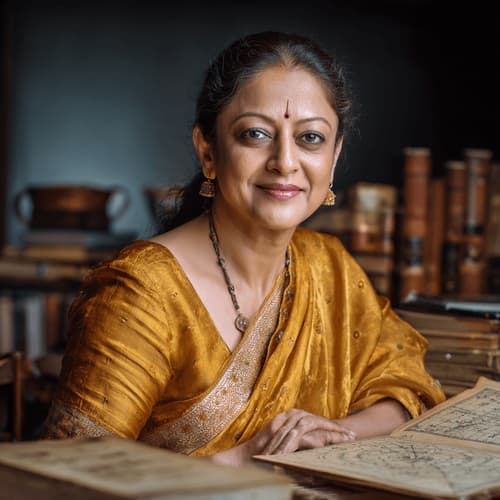
Dr. Meenakshi Sharma
PhD in Vedic Astrology • 20+ Years Experience
Distinguished Vedic astrologer specializing in natal chart analysis, predictive astrology, and Vedic remedial measures. Trusted by thousands for accurate Holi interpretations.
Frequently Asked Questions
Holi (Dhuleti / color play) is on 4 March 2026 (Wednesday). Holika Dahan is the night before — 3 March 2026 (Tuesday).
Holika Dahan is the ritual bonfire lit on Phalgun Purnima night. It commemorates the burning of Holika and the survival of the child-devotee Prahlada. Communities gather, light the fire, and circle it with prayers.
Day 1 (Holika Dahan) is the evening bonfire and ritual. Day 2 (Dhuleti or Rangwali Holi) is the morning color festival. In Vrindavan and Barsana, Holi festivities run for a full week.
Colors represent the joy of spring and the bliss of Radha-Krishna's love play in Vrindavan. Playing together without social barriers also reflects equality — everyone is colored the same.
Holi Purnima is auspicious for starting new projects and relationships. The full moon amplifies intentions. However, the day itself is festive — formal pujas and muhurat-based actions are better performed the next day.
Related Calculators
Related Festivals
Kundli & Muhurat Report
Know the exact muhurat window for Holi in your city, based on your personal birth chart. Prepared by Dr. Meenakshi Sharma.