

Special Poojas to Transform Your Life: Complete Guide
Discover how special poojas create powerful shifts for specific life challenges. Learn which ceremonies address health, wealth, obstacles, and protection, including Rudrabhishek, Navagraha Shanti, Lakshmi Homa, and more according to Vedic tradition.
Ordinary daily prayers maintain spiritual connection, but life's critical junctures often demand extraordinary intervention. When facing career crossroads, health crises, relationship impasses, or persistent obstacles, special poojas concentrate divine energy precisely where transformation is needed most. According to the Brihat Parashara Hora Shastra, planetary afflictions in the birth chart can be remedied through specific rituals that align human intention with cosmic energies—this is the foundation of all Vedic remedial measures.
In my decades of guiding practitioners through transformative rituals, I've observed that special pujas create a unique container for divine intervention. Unlike daily worship which maintains connection, these ceremonies create intense focal points where accumulated karma can shift, blocked pathways can open, and dormant blessings can activate. The Agni Purana describes how properly conducted rituals function as bridges between the human and divine realms—channels through which grace flows in concentrated form.
This comprehensive guide reveals which poojas address specific life challenges according to Vedic tradition, how to arrange them properly with qualified priests, and what results you can realistically expect from these powerful ceremonies. Whether you're facing immediate crisis or seeking to optimize favorable periods, understanding these rituals empowers you to access the full range of Vedic remedial wisdom.
What Makes Special Poojas Different from Regular Worship?
The distinction between daily worship and special pujas parallels the difference between routine medical checkups and intensive treatment. Daily home puja lasting 15-30 minutes with basic items and prayers maintains spiritual connection—like taking daily vitamins for general health. Special pujas, extending 2-6 hours or more with specific materials, thousands of mantra repetitions by trained priests, and targeted intensive intervention, function more like surgical procedures designed for particular conditions.
The Yajnavalkya Smriti distinguishes between nitya karma (daily obligatory practices) and kamya karma (desire-fulfilling rituals performed for specific purposes). While daily practice accumulates general merit and maintains spiritual equilibrium, special pujas direct concentrated spiritual force toward particular objectives. This distinction is crucial for understanding when each type of worship is appropriate.
The Mechanics of Puja Power
Special pujas derive their transformative potential from multiple converging factors that amplify spiritual impact far beyond what individual practice can achieve.
Concentrated energy flows through multiple priests (sometimes 5-11 or more), thousands of mantra repetitions, extended ritual duration, and focused intention. When trained priests chant mantras with proper pronunciation and understanding, each repetition builds upon previous ones, creating cumulative energetic effect. The Tantraraja Tantra explains that mantras gain power through repetition—what takes 10,000 individual repetitions can be achieved through 1,000 collective repetitions by multiple qualified practitioners.
Proper procedure ensures correct muhurat (auspicious timing), qualified officiants trained in scriptural methods, and traditional materials as prescribed. Classical texts like Muhurta Chintamani specify that timing dramatically affects ritual efficacy—the same ceremony performed at auspicious versus inauspicious times yields vastly different results.
Collective power emerges from priest expertise and training, your faith and participation, accumulated temple energy when performed at sacred sites, and cosmic timing alignment. These elements combine synergistically to create transformative potential unavailable through individual daily practice alone.
Sacred Space and Ritual Containers
Special pujas create what tantric texts call a mandala—a consecrated space where ordinary reality temporarily yields to heightened spiritual conditions. Within this container, communication between human consciousness and divine presence becomes more accessible. The Kularnava Tantra describes how proper ritual setup transforms physical space into a conduit for cosmic energies, making impossible transformations suddenly achievable.
The establishment of sacred space through sankalpa (ritual intention), avahana (deity invocation), and prana pratishtha (life-force establishment in the ritual image) creates conditions where divine presence can temporarily inhabit physical forms. This is why priest qualification matters—improper procedures fail to establish these conditions, reducing rituals to empty performances.
What Are the Most Powerful Transformative Poojas?
Different deities govern different life domains, and matching your challenge to the appropriate ceremony dramatically increases effectiveness. The following pujas represent the most powerful interventions for common life challenges according to traditional Vedic texts.
Rudrabhishek – Supreme Transformation
Rudrabhishek involves bathing the Shiva Lingam with sacred substances while chanting Sri Rudram, often 11 times (Ekadashi Rudrabhishek). This ceremony invokes Lord Shiva's transformative power—the cosmic force that dissolves obstacles, purifies karma, and creates new beginnings from apparent endings.
The Shiva Purana describes Rudra as the aspect of Shiva that removes that which no longer serves—whether physical illness, mental obstacles, relationship blocks, or karmic burdens. The Sri Rudram, found in the Yajur Veda, contains some of the oldest and most powerful mantras in Vedic literature, addressing every conceivable human affliction.
Perform Rudrabhishek for major life transitions requiring old patterns to dissolve, serious obstacles blocking progress, health concerns requiring divine intervention, before important ventures where success is critical, or during Sade Sati and other Saturn troubles when Shiva's grace specifically counteracts Saturnian restriction.
The ceremony typically spans 2-4 hours with single or multiple priests, though elaborate versions (Maharudrabhishek with 11 priests or Atirudra with 121 priests) can extend across multiple days. The abhishek materials—milk, yogurt, honey, ghee, sugarcane juice, sandalwood paste, and bilva leaves—each carry specific energetic properties that combine to create comprehensive purification and blessing.
Navagraha Shanti – Planetary Balance
When multiple planets afflict your chart or you're uncertain which planet causes your troubles, Navagraha Shanti provides comprehensive planetary harmonization. This ceremony involves nine kalash (sacred vessels) representing each graha, specific mantras for each planet with prescribed counts, and offerings matching each planet's traditional preferences.
According to Brihat Parashara Hora Shastra, the nine grahas govern all temporal experiences—nothing happens in time that doesn't reflect planetary influences. When multiple planets create challenges simultaneously, addressing each individually becomes impractical. Navagraha Shanti provides the elegant solution of balancing the entire planetary cabinet at once.
Perform Navagraha Shanti when your birth chart shows multiple planetary afflictions, before starting major life phases like marriage, career changes, or business ventures, as an annual birthday ritual for ongoing planetary harmony, or when complex issues involve several planets and simple remedies prove insufficient.
The 3-4 hour ceremony requires priests trained in the specific procedures for each planet. Each graha receives worship according to its nature—Sun with red flowers and wheat, Moon with white flowers and rice, Mars with red items and masoor dal, and so on. This precision ensures each planetary energy receives proper attention and harmonization.
Maha Mrityunjaya Jaap – Health and Protection
The Maha Mrityunjaya mantra, found in the Rig Veda (Mandala 7, Hymn 59), is called the death-conquering mantra—the most powerful healing invocation in Vedic tradition. Intensive repetition typically involves 1,25,000 repetitions (Sava Lakh) or 11,000 in condensed form, often over multiple days with fire offerings accompanying each mantra in the homa version.
This mantra invokes Lord Shiva in his healing aspect as Mrityunjaya—the conqueror of death. Classical texts describe how its vibrations work on all levels of being simultaneously: physical cellular regeneration, mental fear dissolution, energetic purification, and karmic modification regarding lifespan and health destiny.
Perform Maha Mrityunjaya Jaap for life-threatening illness where conventional medicine alone seems insufficient, before major surgery requiring divine protection, during accident or trauma recovery, for extending lifespan when astrological indicators suggest health challenges, or for elderly family members requiring protection and vitality support.
Discover Your Ideal Puja
Not sure which ceremony addresses your specific situation? Get personalized recommendations based on your birth chart and current planetary periods.
Get Your JanampatriWhat Are Additional Powerful Ceremonial Options?
Lakshmi Homa – Financial Transformation
Fire ceremony invoking Goddess Lakshmi creates powerful wealth attraction energy through sacred fire with Lakshmi mantras, offerings of ghee, lotus, and specific herbs, accompanied by Sri Sukta recitation from the Rig Veda. The Lakshmi Tantra describes how Goddess Lakshmi embodies all forms of abundance—not merely financial wealth but also health, beauty, progeny, and spiritual fortune.
Perform Lakshmi Homa for financial crisis requiring divine intervention, business expansion needs and capital attraction, poverty pattern breaking across generations, and especially during Diwali for maximum effect when Lakshmi's energy is cosmically heightened.
The 2-3 hour ceremony traditionally uses lotus flowers (padma), sacred turmeric, honey, and specific prosperity herbs. The fire acts as Agni—the divine messenger carrying offerings to the celestial realm and returning with blessings. In my experience guiding practitioners through this ceremony, financial movement typically begins within 40 days when performed with proper procedure and sincere intention.
Ganapathi Homa – Obstacle Destruction
Lord Ganesha is worshipped first in all Vedic ceremonies because he removes obstacles blocking success. Fire ceremony invoking Ganesha through sacred fire with Ganesha mantras, offerings of modak (sweet) and durva grass, typically involves 1,008 to 10,008 mantra offerings depending on intensity required.
The Ganapati Atharvashirsha describes Ganesha as the remover of all obstacles (Vighnaharta) and the bestower of success (Siddhidata). His unique elephantine form symbolizes the capacity to clear any path—no obstacle, however large, can withstand his grace when properly invoked.
Perform Ganapathi Homa before new ventures when you need clear pathways to success, when facing repeated failures despite best efforts, when blocked circumstances persist despite your capabilities, or when starting a new business requiring divine blessing.
Sudarshana Homa – Ultimate Protection
Fire ceremony invoking Vishnu's discus (Sudarshana Chakra) provides the most powerful protective ritual available in Vedic tradition. With 10,000+ mantra offerings and specific protective herbs, this 3-4 hour ceremony destroys negative energies and creates comprehensive protection shields.
The Sudarshana Chakra is Lord Vishnu's primary weapon—a spinning disc of divine light that destroys all that threatens cosmic order. When invoked through proper fire ceremony, this energy creates protective barriers around the sponsor and their family, dispelling negative entities, clearing black magic effects, and establishing ongoing divine protection.
Perform Sudarshana Homa when black magic or evil eye is suspected, when unexplained negative patterns persist despite other remedies, when you sense negative entity presence or attachment, or when you need powerful shielding for yourself, family, or property.
Satyanarayana Puja – Overall Blessing
Worship of Lord Vishnu in Satyanarayan form represents the most accessible yet powerful general blessing ceremony. Through kalash worship, reading of the Satyanarayana Katha (traditional stories illustrating the puja's benefits), and prasad distribution including pancharatna (five grains), this ceremony creates overall life blessing and wish fulfillment.
The Skanda Purana contains the original Satyanarayana stories—tales of devotees whose sincere worship transformed impossible situations. What makes this puja unique is its accessibility: it can be performed at home by the family with proper guidance, making it available to everyone regardless of resources.
Perform Satyanarayana Puja monthly on Purnima (full moon) for ongoing blessings, for new home or business dedication, as thanksgiving for fulfilled wishes (this is traditionally important—vows made to Satyanarayan should be fulfilled), and for general prosperity and family harmony.
Chandi Homa – Victory Over Opposition
Fire ceremony incorporating all 700 verses of Durga Saptashati (also called Chandi Path or Devi Mahatmya) with red flowers and specific offerings invokes the Divine Mother's warrior aspect. This 4-6 hour ceremony often requires multiple priests and brings victory and powerful protection against seemingly impossible opposition.
The Durga Saptashati, found in the Markandeya Purana, describes how Goddess Durga defeated demons that even the gods couldn't overcome. Her energy is invoked when facing opponents—whether legal adversaries, business competitors, or obstacles that seem to have conscious opposition.
Perform Chandi Homa for legal battles requiring victory, when facing powerful opposition in any domain, during Navratri (nine nights of the Goddess) for maximum effect, or when facing seemingly impossible obstacles that require divine intervention to overcome.
How Do You Arrange Special Poojas Properly?
Proper arrangement ensures maximum effectiveness from your puja investment. The details matter—poorly organized ceremonies with unqualified priests or improper timing can reduce transformative potential significantly.
Matching Challenge to Ceremony
The first step is accurate diagnosis. Different challenges require different divine energies:
- Health issues suggest Maha Mrityunjaya for healing energy and protection
- Financial concerns point to Lakshmi Homa for abundance and prosperity attraction
- Career obstacles call for Ganapathi Homa to clear blocked pathways
- Multiple planetary issues indicate Navagraha Shanti for comprehensive balance
- General transformation needs benefit from Rudrabhishek's universal obstacle-removing power
- Protection requirements warrant Sudarshana Homa's powerful shielding
- Victory over opposition calls for Chandi Homa's warrior goddess energy
For complex situations involving multiple issues, consult an experienced astrologer who can analyze your birth chart and recommend the most appropriate ceremony or sequence of ceremonies.
Finding Qualified Priests
Priest qualification significantly affects ceremony effectiveness. The Dharma Sindhu specifies that proper ritualists must have received traditional training in Vedic procedures, mantra pronunciation, and ritual methodology.
Seek priests through temple recommendations from established institutions, Vedic organization references, family priest connections with proven track records, or verified online platforms with documented credentials. When evaluating, verify training background (where and from whom they studied), experience with your specific puja type, references or reviews from previous sponsors, and proper pronunciation (listen to recordings if possible).
In my observation, the difference between a qualified and unqualified priest can make or break a ceremony's effectiveness. A truly trained priest brings not just technical knowledge but accumulated spiritual power (tapas) from years of dedicated practice.
Selecting Auspicious Timing
The Muhurta Chintamani and other classical texts emphasize that timing dramatically affects ritual outcomes. Consider your birth chart dashas and current planetary periods, ongoing transits affecting relevant house lords, the specific deity's day of week (Thursday for Jupiter-related pujas, Tuesday for Mars, etc.), specific muhurat calculations for your puja type, and avoiding Rahu Kaal, eclipse periods, and other inauspicious times.
Astrologer consultation provides optimal timing customized to your chart. Experienced priests can suggest generally good days from the Panchang (Vedic almanac). At minimum, use basic Panchang guidance to avoid obviously inauspicious periods.
Personal Preparation
Your own preparation significantly affects what you receive from the ceremony. Physical preparation includes bathing before puja (ideally early morning), wearing clean traditional clothes (preferably new or dedicated to worship), and fasting (full or partial) according to your capacity. Mental preparation requires clear sankalpa (intention)—know exactly what you're seeking, cultivate faith and openness toward divine grace, and reduce worldly concerns that day through minimal work and media.
During the puja, follow priest instructions carefully regarding when to participate, stay focused and present rather than distracted, participate when asked in offerings and prayers, avoid phone use and other distractions entirely, and maintain devotional attitude throughout—your receptivity determines what you receive.
What About Temple vs. Home Poojas?
Both temple and home ceremonies have distinct advantages depending on your situation, the type of puja, and practical circumstances.
Temple-Based Poojas
Temple ceremonies benefit from sacred environment that amplifies effect through centuries of accumulated worship energy, established deity energy where divine presence has been ritually installed and maintained, professional facilities designed for elaborate ceremonies, and multiple priests often available for more intensive rituals.
However, temple ceremonies may be less personal with other sponsors and visitors present, have scheduling constraints fitting temple routines rather than your optimal timing, feel rushed during busy periods, and require travel which may be difficult for some families.
Home-Based Poojas
Home poojas offer personal intimate atmosphere with full attention from priests, schedule flexibility allowing optimal muhurat timing, easy family participation including elderly members or children, and no travel requirement—bringing the sacred into your daily environment.
Disadvantages include needing to prepare adequate space for the ceremony, lacking the accumulated energy of temple environments, potential disturbance to neighbors for fire ceremonies (homas), and space limitations for large-scale rituals.
Choose based on your specific situation, puja type, and practical circumstances. Fire ceremonies often work better at temples with proper facilities; simple pujas like Satyanarayana translate beautifully to home settings.
What Results Can You Expect from Special Poojas?
Results from properly conducted pujas unfold across different time horizons. Understanding realistic expectations helps maintain faith during the integration period.
Immediate Effects (Day of Puja)
Most practitioners experience tangible shifts immediately: a sense of peace and lightness as if a burden has lifted, mental clarity and reduced anxiety, feeling of protection and divine presence, and perceptible energy shift in your being and environment. These immediate effects indicate successful ceremony completion—the spiritual transaction has occurred.
Short-Term Manifestation (1-3 Weeks)
Within the first few weeks, integration deepens: dreams may become significant with divine or ancestor messages, synchronicities appear pointing toward resolution, obstacles start shifting—what was stuck begins moving, and mood and energy improve noticeably.
Medium-Term Results (1-3 Months)
By this phase, tangible life changes typically emerge: specific purposes for which the puja was performed begin manifesting, relationships improve as karmic patterns shift, health or finances shift noticeably in the desired direction, and new opportunities appear that weren't visible before.
Long-Term Transformation (6-12 Months)
Major transformation becomes visible over longer periods: new life chapters establish themselves, deep changes integrate into your normal reality, ongoing benefits continue accumulating, and patterns that seemed permanent reveal themselves as changeable.
Factors Affecting Results
Results are enhanced by qualified sincere priests bringing genuine spiritual power, proper procedures followed correctly without shortcuts, auspicious timing aligned with your chart, your faith and active participation, and post-puja practices maintained consistently.
Results may be reduced by improper procedures or unqualified performers, wrong timing for your specific chart, mechanical performance without devotional attitude, doubt or skepticism undermining receptivity, and contradictory actions afterward (continuing negative habits, violating dharmic principles).
How Do You Maintain Puja Results Long-Term?
Special pujas create openings and shifts, but maintaining results requires ongoing attention. Think of major pujas as installing new spiritual software—you still need to run it through daily practice.
Immediate Follow-Up (First 40 Days)
The period immediately following a major puja is particularly sensitive. Maintain sattvic (pure) diet for at least three days—avoid meat, alcohol, excessive tamasic foods. Continue related mantra practice daily, even if brief. Light a lamp at home each morning and evening to maintain the divine connection established. Express gratitude regardless of visible results yet—trust the process.
Ongoing Spiritual Practices
Long-term maintenance includes weekly simplified home worship of the deity invoked, monthly related observances such as fasting on appropriate days or temple visits, annual repetition of major pujas for maintenance (major ceremonies like Rudrabhishek can be done annually), and maintaining the personal relationship established with the deity through daily acknowledgment.
Integration and Action
Pujas open doors, but you must walk through them. Journal insights and changes that occur following the ceremony. Act on opportunities that appear—divine grace creates possibilities, but you must engage them. Share blessings appropriately through charity and kindness. Build on transformation achieved rather than expecting single ceremonies to solve everything permanently.
What Are the Deeper Spiritual Rewards?
Beyond solving immediate problems, special pujas offer profound spiritual benefits that transcend material outcomes. These ceremonies are transformative practices that can fundamentally shift your relationship with the divine.
Relationship with the Deity
Through intensive worship, personal connection forms with the divine personality invoked. This relationship provides ongoing guidance available through prayer and intuition, protection extending beyond specific issues addressed, and spiritual mentorship as the deity becomes a presence in your life.
Karmic Purification
Special pujas create purification effects including karmic cleansing of accumulated negative karma, past mistakes addressed through divine forgiveness, future karma modified as intentions shift, and spiritual balance restored through alignment with dharmic principles.
Consciousness Expansion
As a result of intensive ceremony, consciousness often expands: awareness of subtle realms increases, intuitive capacity develops, meditation deepens naturally, and spiritual sensitivity grows. These changes persist long after the ceremony ends.
Merit Accumulation
Through puja sponsorship and participation, good karma (punya) generates supporting future positive experiences, liberation is supported through accumulated spiritual merit, family members benefit from the merit generated, and ancestors are pleased and blessed through your spiritual efforts.
Building a Puja Practice Lifestyle
Rather than emergency-only pujas performed during crisis, consider building ongoing sacred practice into your life rhythm. This preventive approach creates continuous divine connection rather than crisis-based relationship with the sacred.
A sustainable practice lifestyle might include: monthly smaller pujas like Satyanarayana on Purnima creating regular blessing inflow, weekly day-of-deity worship (visiting Hanuman temple Tuesdays, Shiva temple Mondays, etc.), daily simple home puja maintaining constant connection, and annual major puja for maintenance and course correction.
This approach offers significant advantages. Prevention becomes easier than cure—regular practice maintains balance before problems develop. Life flows with accumulated blessing rather than repeatedly clearing accumulated obstacles. The established divine relationship remains available during both ordinary days and challenging times.
The investment in regular practice pays dividends through smoother life circumstances, enhanced intuition for avoiding problems, and an established divine relationship that deepens over years of consistent engagement. Special pujas then become celebrations and enhancements rather than emergency measures.
Whatever your starting point—crisis intervention or proactive spiritual development—the world of Vedic pujas offers powerful tools for transformation. Begin where you are, with whatever you can do, and trust that sincere effort always meets divine response. The ceremonies described here have transformed lives for thousands of years; they remain available today for anyone who approaches with faith, proper procedure, and genuine intention.
Explore Astrosight Services
Personalized Report
Janampatri (Birth Chart Report)
Understand how this dosha affects your full chart — get your complete Janampatri
- Personalized analysis based on YOUR exact birth chart
- Expert-prepared by Dr. Meenakshi Sharma
- Delivered as PDF within 24-48 hours
- Unlimited follow-up clarifications
By Dr. Meenakshi Sharma · Delivered in 24-48 hours
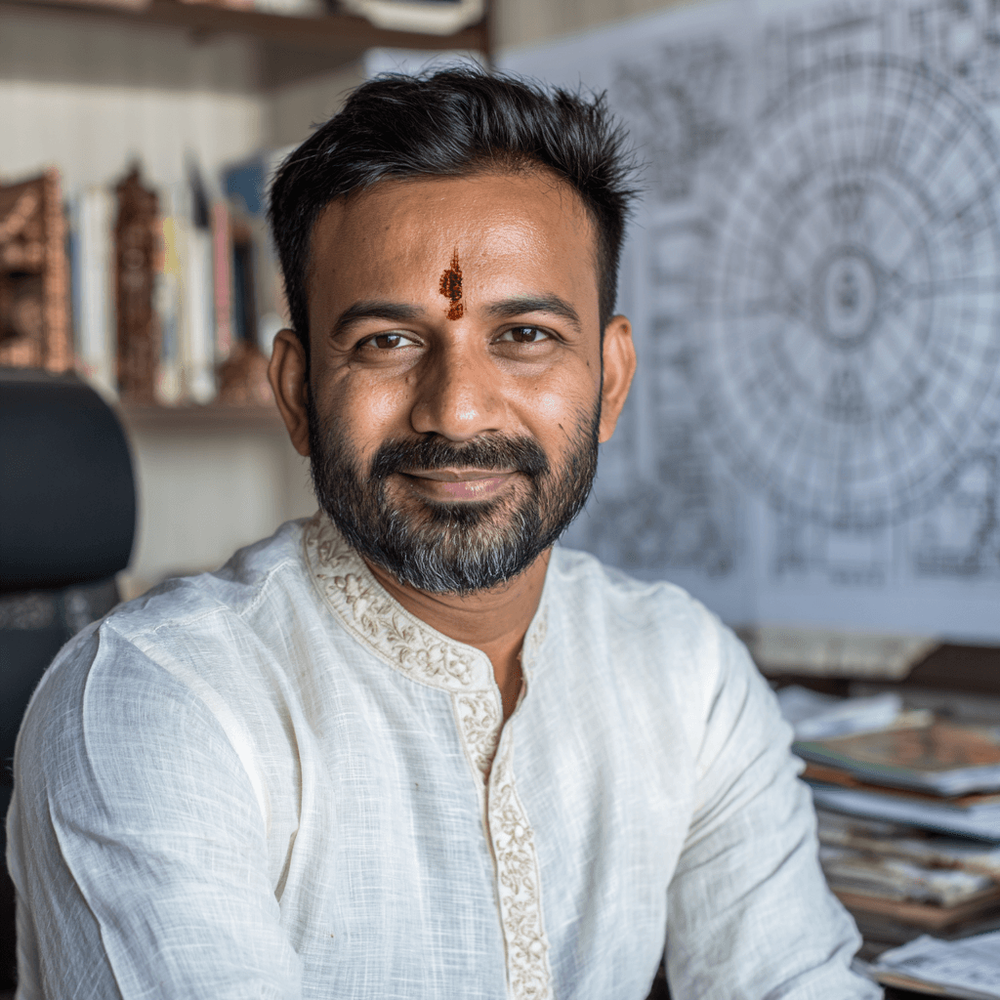
Shri Ankit Bansal
Vedic Astrologer · Numerology and Vastu Expert, 15+ Years
Shri Ankit Bansal is a renowned numerology and Vastu expert with over 15 years of specialized experience in these ancient Indian sciences. His extensive practice encompasses thousands of consultations in numerological analysis, name corrections, business numerology, and comprehensive Vastu assessments for residential and commercial properties. As a contributing writer for AstroSight, Shri Bansal combines his deep understanding of numerical vibrations with practical Vastu principles to provide holistic solutions that harmonize living and working spaces with cosmic energies. His expertise spans personal numerology charts, business name analysis, property Vastu audits, and remedial measures that blend traditional wisdom with modern lifestyle requirements. Through his methodical approach and proven track record, Shri Bansal has established himself as a trusted authority in helping clients optimize their environment and numerical influences for enhanced prosperity, health, and overall well-being.


