Om Chandraya Namaha: Moon Mantra for Emotional Balance
Discover the ancient Moon mantra Om Chandraya Namaha for emotional healing, mental peace, and intuitive awakening. Learn proper chanting methods, timing, and complementary practices from classical Vedic tradition.
What Is Om Chandraya Namaha and Why Practice It?
Om Chandraya Namaha is the principal Vedic mantra for invoking and strengthening lunar energy. In the tradition of Jyotish, the Moon (Chandra) governs the mind (manas), emotions, intuition, and our capacity for nurturing and being nurtured. When this luminary is well-placed and strong in a birth chart, it bestows mental peace, emotional intelligence, and receptive intuition. When afflicted, it brings anxiety, depression, and psychological turbulence.
The Brihat Parashara Hora Shastra establishes the Moon as the karaka (significator) of the mind, describing how Chandra's condition directly reflects one's mental constitution and emotional wellbeing. Sage Parashara teaches that planetary mantras create a resonance between the individual consciousness and the cosmic energy represented by that graha, gradually harmonizing their influence in one's life.
In my consultation practice, I frequently recommend Moon mantra sadhana for clients experiencing emotional instability, chronic anxiety, or difficulties in their relationship with maternal figures. The practice serves as a direct channel to lunar energy, strengthening the Moon's positive influence regardless of its natal position.
Word-by-Word Translation of the Mantra
Understanding the meaning deepens the practice. Each syllable carries specific significance:
- OM — The primordial sound containing all creation; the cosmic vibration from which manifestation emerges
- CHANDRAYA — To Chandra, to the Moon deity (Chandra means 'the shining one' and the -ya suffix indicates the dative case, meaning 'to')
- NAMAHA — I bow, I offer salutations, I surrender (from 'namas' meaning reverence)
The complete meaning is "I bow to the Moon" or "Salutations to Chandra." Beyond the literal translation, the mantra represents an opening of oneself to receive lunar blessings, aligning the individual mind with cosmic consciousness, and invoking the cooling, nurturing aspect of divinity.
The Beej (Seed) Mantra Alternative
For enhanced potency, classical texts prescribe the Moon's beej mantra: "Om Shraam Shreem Shraum Sah Chandraya Namah." This seed mantra contains concentrated lunar energy through the specific vibrations of the bija syllables. However, it requires more precision in pronunciation and is traditionally received through proper initiation. The simpler Om Chandraya Namaha is universally accessible and highly effective for most practitioners.
Who Needs Moon Strengthening According to Vedic Astrology?
Not everyone requires intensive Moon remedies. Jyotish provides specific indicators that reveal when Chandra needs strengthening. The Phaladeepika by Mantreshwara and the Saravali by Kalyana Varma describe various conditions where the Moon's beneficence becomes compromised and remedial action proves beneficial.
Astrological Indicators of Afflicted Moon
Classical texts identify these birth chart positions as requiring Moon remedies:
- Moon in Scorpio (Vrishchika) — the sign of debilitation where lunar qualities are weakened
- Moon conjunct Saturn, Rahu, or Ketu — malefic associations that disturb mental peace
- Moon in the 6th, 8th, or 12th houses — dusthana placements that challenge emotional wellbeing
- Combust Moon (within 12° of Sun) — solar rays overpower lunar coolness
- Moon without beneficial aspects — lacking support from Jupiter, Venus, or Mercury
- Afflicted Moon in Navamsa (D9) chart — deeper karmic emotional patterns requiring attention
You can calculate your birth chart to examine your Moon's placement and determine whether strengthening practices would be beneficial.
Life Symptoms Indicating Weak Moon
Beyond chart analysis, certain life experiences suggest lunar weakness. The Brihat Jataka by Varahamihira connects Moon affliction to specific manifestations:
Mental symptoms include chronic anxiety without clear cause, persistent sadness or depression, dramatic mood swings, overthinking, and difficulty making decisions. The mind feels unstable, as if tossed about like the ocean's surface.
Emotional symptoms manifest as feeling emotionally disconnected, inability to express or process feelings, excessive reactivity, persistent insecurity, and relationship difficulties rooted in emotional patterns.
Physical symptoms often include sleep disturbances, digestive problems related to fluids, water retention or dehydration, hormonal imbalances, and eye problems (the Moon rules the left eye in Jyotish).
Relationship patterns frequently show troubled connection with the mother, difficulty receiving nurturing, problems with emotional intimacy, and feeling unsupported or abandoned by life itself.
Those Who Benefit Most from Moon Practices
While anyone can benefit from Moon mantra practice, certain individuals find it particularly transformative: those with Cancer Moon or Ascendant (where Moon is the chart ruler), those currently experiencing Moon Mahadasha or Antardasha, people undergoing emotional crises, artists and creative individuals who rely on intuitive flow, empaths and highly sensitive people, and healthcare workers or caregivers who need to maintain emotional equilibrium while serving others.
How Do You Practice Om Chandraya Namaha Correctly?
The effectiveness of mantra practice depends significantly on proper methodology. Classical texts like the Mantra Mahodadhi provide detailed protocols for planetary mantra sadhana. While elaborate rituals have their place, a sincere daily practice with proper orientation yields substantial results.
Daily Practice Protocol
Best timing for Moon mantra practice is Monday evening around moonrise, when lunar energy is naturally accessible. Full Moon nights amplify the practice significantly. The Shukla Paksha (waxing moon) period is ideal for building Moon energy, while Krishna Paksha (waning moon) suits practices focused on releasing emotional patterns.
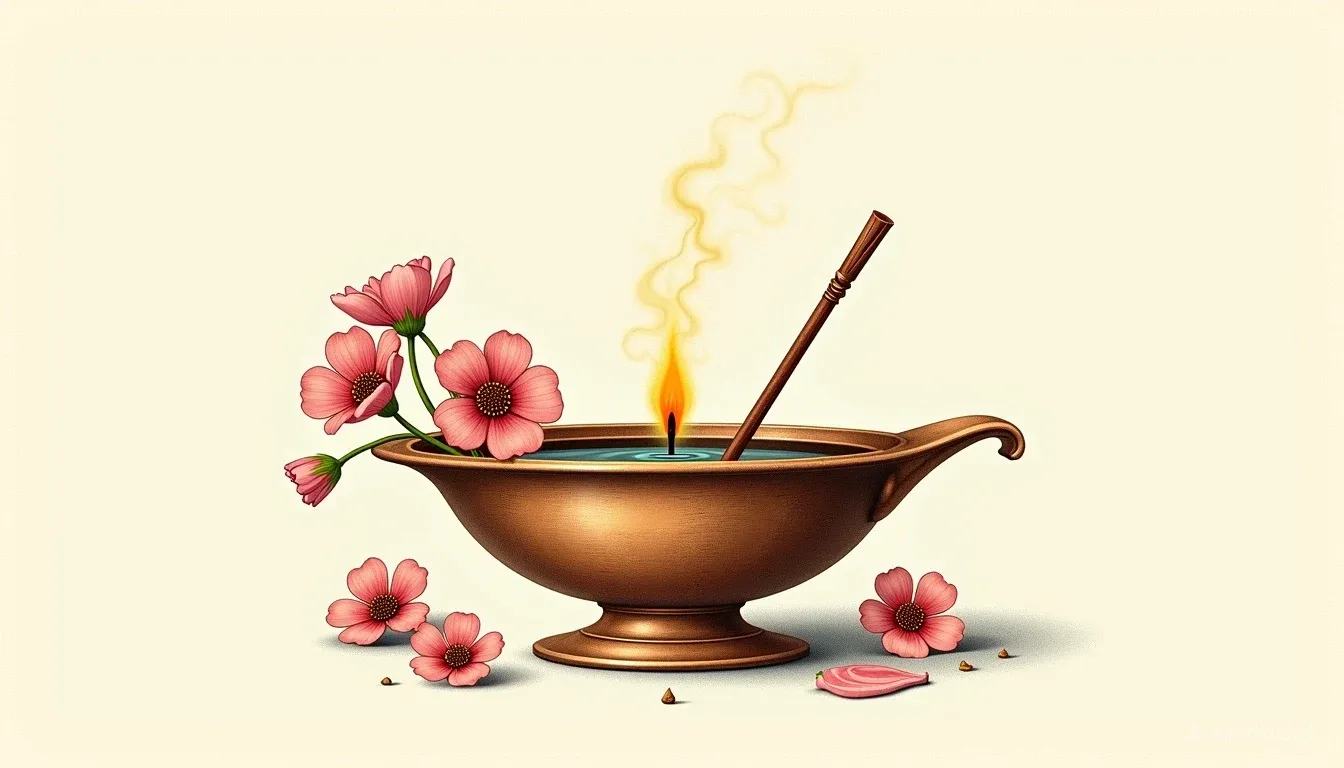
Standard practice involves: taking a bath or at minimum washing face, hands, and feet; wearing white or light-colored clothing; sitting facing Northeast or North; lighting a white candle or ghee lamp; placing a Moon image, yantra, or silver item before you; holding a crystal or pearl mala (rudraksha also works); and beginning to chant with closed eyes and steady breath.
Chanting counts vary according to one's commitment: minimum 11 times daily for maintenance, 108 times (one mala) for standard practice, or 324 times daily for intensive remedy when serious Moon affliction exists. The Brihat Parashara Hora Shastra recommends completing specific total counts—such as 11,000 repetitions—for full remedial effect.
Duration recommendations suggest minimum 21 consecutive days to establish the practice, 40 consecutive days for a complete sadhana cycle, and 16 Mondays for the traditional Somvar Vrat observance. Many practitioners continue Monday practice indefinitely as spiritual maintenance.
Visualization During Chanting
Classical texts recommend accompanying mantra with visualization to deepen its effect. As you chant Om Chandraya Namaha, visualize a bright white moon at your forehead (the ajna chakra or third eye), cool silvery light filling your entire body, moonlight radiating from your heart center, the presence of nurturing maternal energy surrounding you, and peaceful waters calming the waves of emotion within.
These visualizations activate the corresponding subtle body centers and create a receptive state for lunar energy absorption. With practice, the imagery arises spontaneously and the mind naturally settles into peaceful contemplation.
Understand Your Moon's Full Impact
Discover how your Moon placement affects your emotional patterns, career decisions, and life path. Get a personalized analysis with specific timing for when lunar remedies will be most effective.
Get Your JanampatriWhat Are the Best Times for Moon Mantra Practice?
Timing significantly influences the efficacy of mantra practice. The Muhurta Chintamani and other classical texts on electional astrology provide detailed guidance on when planetary energies are most accessible.
Daily Optimal Times
Evening practice around moonrise represents the ideal timing for Moon sadhana. As the Moon rises, its energy becomes directly accessible. The window from sunset to early night—roughly 6:00 to 9:00 PM—provides excellent conditions for lunar practice. Evening practice also supports restful sleep and meaningful dreams.
Early morning hours (4:00 to 6:00 AM) offer an alternative for those unable to practice in evening. The Brahma Muhurta period, approximately 96 minutes before sunrise, is considered spiritually potent for all mantra practice. During Shukla Paksha, the Moon may still be visible at dawn, enhancing the connection.
Weekly and Monthly Emphasis
Monday (Somvar) is the Moon's own day and provides the most auspicious weekly timing. On Mondays, practitioners traditionally double or triple their usual mantra count. Monday fasting (Somvar Vrat) combined with Moon mantra creates a powerful remedial combination. The Lal Kitab particularly emphasizes Monday observances for Moon pacification.
Full Moon (Purnima) represents the monthly peak of lunar energy. Extended practice is recommended on these nights—chanting 324 to 1,008 repetitions if possible. Moon gazing meditation combines beautifully with mantra practice on clear full moon nights. Special Purnimas carry additional significance: Guru Purnima (July) for spiritual amplification, Sharad Purnima (October) as the supreme Moon night when nectar is said to descend, and Kartik Purnima (November) for general auspiciousness.
Moon Phase Considerations
Shukla Paksha (waxing Moon) from New Moon to Full Moon is ideal for building lunar energy, starting new Moon sadhanas, and practices focused on receiving and growing. The Moon's strength increases daily, supporting the accumulation of positive lunar influence.
Krishna Paksha (waning Moon) from Full Moon to New Moon suits practices focused on releasing negative emotional patterns, letting go of attachments, and purification. During Amavasya (New Moon) itself, Moon energy reaches its lowest point—use this time for release rather than building.
Understanding these cycles allows practitioners to align their sadhana with natural cosmic rhythms, working with rather than against the flow of lunar energy.
What Complementary Practices Enhance Moon Energy?
While Om Chandraya Namaha forms the core practice, classical Jyotish offers complementary measures that amplify lunar strengthening. The Brihat Parashara Hora Shastra describes a multi-faceted approach to planetary remediation, combining mantra, gemstone, charity, fasting, and worship into an integrated practice.
Monday Fasting (Somvar Vrat)
The tradition of Monday fasting specifically pacifies and strengthens the Moon. The full protocol involves waking before sunrise, bathing and wearing white, offering water to Shiva Lingam (Lord Shiva wears the Moon as his ornament), chanting Om Chandraya Namaha 108 times, maintaining complete fast until evening moonrise, and breaking fast with milk and white foods.
For those unable to observe complete fasting, a partial protocol permits one meal at noon consisting of white foods only—milk, rice, curd, white vegetables—avoiding onion, garlic, and non-vegetarian food, with fruit or milk in the evening.
The traditional duration is 16 consecutive Mondays for the full effect. If you miss a Monday, continue your count rather than restarting—consistency over time matters more than perfection.
Pearl (Moti) — The Moon's Gemstone
Pearl is the ratna (gemstone) assigned to the Moon in Vedic gemology. The Garuda Purana describes Pearl as capturing lunar essence in physical form. Key specifications include: natural, lustrous, round stones of at least 4-6 carats; set in silver (the Moon's metal); worn on the little finger of the right hand; and consecrated on Monday during Moon Hora or Rohini Nakshatra.
The traditional energization ritual involves soaking the pearl in raw milk overnight (Sunday night), placing it before a Moon image Monday morning, chanting Om Chandraya Namaha 108 times over the ring, and wearing it before noon. Natural Moonstone serves as a more accessible alternative with similar though gentler effects.
It's important to understand that gemstones work on the physical level while mantras work on the subtle energy body. Mantra practice alone is highly effective; gemstones provide enhancement rather than replacement. Consult a qualified Jyotish practitioner before wearing any planetary gemstone.
Silver and Moon Water
Silver is the Moon's metal, and wearing silver jewelry creates continuous lunar connection. A silver ring on the left hand's little finger, a silver chain, or silver bracelet all support Moon strengthening. The Lal Kitab particularly recommends silver remedies as accessible and effective for Moon-related difficulties. You can explore more about astrological benefits of wearing silver for detailed guidance.
Moon water is prepared by placing pure water in a silver vessel under the full moon overnight, collecting it before sunrise, and storing in a cool, dark place. Traditional uses include drinking small amounts daily for emotional balance, adding to bath water for lunar charging, incorporating into Moon-related pujas, and applying to the face for calming effect.
Shiva Worship for Moon Strengthening
Lord Shiva is called Chandrashekhara—"one who wears the Moon as his crown ornament." This theological connection means that pleasing Shiva automatically benefits the Moon. Monday Shiva puja, offering milk (abhisheka) to the Shiva Lingam, chanting "Om Namah Shivaya" alongside the Moon mantra, and visiting Shiva temples on Mondays all strengthen lunar energy while developing spiritual devotion.
What Results Can You Expect from Moon Mantra Practice?
Classical texts describe planetary mantra effects unfolding gradually as the subtle body absorbs and integrates the vibration. The Saravali teaches that a strong Moon brings mental contentment (manas sukha), popularity with others, access to conveniences and comforts, and the capacity for sustained well-being. These qualities develop progressively through sincere practice.
The Gradual Unfolding of Benefits
In my experience guiding clients through Moon sadhana, the first shifts often appear in sleep quality and dream life. Many report more restful sleep and meaningful dreams within the first few weeks. A subtle sense of being supported by life, even without external change, frequently accompanies early practice.
As practice continues over weeks and months, emotional responses become more measured, anxiety diminishes, and decision-making capacity improves. Relationships—particularly with maternal figures—often begin to heal. The capacity to give and receive nurturing expands.
With sustained practice over months to years, practitioners report fundamental emotional transformation, reliable intuitive capacity, deep inner peace regardless of external circumstances, and what classical texts call "psychic sensitivity"—receptivity to subtle information that the rational mind alone cannot access.
Physical and Relational Improvements
The Moon governs body fluids in Jyotish, and practitioners often notice improved fluid balance, better skin quality, and hormonal regulation over time. Since the Moon rules the left eye, eye health may improve. Sleep disorders frequently resolve.
Relational benefits typically include healing in the maternal relationship, better emotional intimacy with romantic partners, increased empathy and understanding of others, ability to nurture effectively, and a fundamental sense of being supported by existence itself.
It's essential to understand that these benefits reflect traditional observations and the general trajectory of Moon strengthening. Individual results depend on many factors including the natal chart configuration, current dasha periods, sincerity of practice, and overall lifestyle. Astrology offers tendencies and possibilities, not guaranteed outcomes.
What Advanced Moon Practices Does Vedic Tradition Offer?
For those called to deeper engagement with lunar energy, Vedic tradition offers advanced practices that intensify the connection. These should ideally be undertaken under guidance from an experienced practitioner, though foundational practices can be explored independently.
Chandra Yantra Worship
The Moon Yantra (Chandra Yantra) is a geometric pattern that concentrates lunar energy in physical form. Traditionally inscribed on copper or silver and energized on a Full Moon, the yantra is placed facing North in the home. Daily worship involves offering white flowers, sprinkling rice, lighting a ghee lamp, and chanting the mantra 108 times before the yantra. The Yantra Chintamani provides detailed protocols for yantra consecration and worship.
Chandra Stotra and Kavacham Recitation
Extended devotional texts like the Chandra Stotra (hymn to the Moon) or Chandra Kavacham (Moon armor, a protective prayer) provide deeper engagement than the mantra alone. Recited after mantra practice on Monday mornings or Full Moon nights, these Sanskrit texts take 15-20 minutes and invoke the Moon's presence with elaborate praise and specific requests for blessing.
Moon Homa (Fire Ceremony)
Homa (fire ceremony) represents the most intensive form of planetary remedy in Vedic tradition. A Chandra Homa involves a trained priest offering 1,008 or more Moon mantras into a consecrated fire along with white substances—rice, milk, white sesame, camphor, and white flowers. The Brihat Parashara Hora Shastra describes homa as providing maximum planetary pacification and blessing. Ideal timing is a Full Moon Monday. You can learn more about homa ceremonies in Vedic astrology for understanding this powerful remedy.
Moon Gazing Meditation
The practice of trataka (gazing meditation) on the Full Moon combines beautifully with mantra recitation. On clear nights, practitioners gaze at the Moon for 5-15 minutes, allowing the moonlight to enter through the eyes while mentally chanting Om Chandraya Namaha. This creates direct absorption of lunar energy and profoundly calms the nervous system. Classical texts recommend this practice particularly for developing intuition and promoting restful sleep.
Whatever level of practice you engage, sincerity matters more than elaborate ritual. A heartfelt daily recitation of Om Chandraya Namaha, undertaken with proper intention and consistency, creates the foundation for all lunar benefits. Begin simply, establish consistency, and allow the practice to deepen naturally over time.
Explore AstroSight Services
Personalized Report
Janampatri (Birth Chart Report)
Understand how this dosha affects your full chart — get your complete Janampatri
- Personalized analysis based on YOUR exact birth chart
- Expert-prepared by Dr. Meenakshi Sharma
- Delivered as PDF within 24-48 hours
- Unlimited follow-up clarifications
By Dr. Meenakshi Sharma · Delivered in 24-48 hours

Dr. Meenakshi Sharma
PhD in Vedic Astrology, 20+ Years Experience
Dr. Meenakshi Sharma is a distinguished Vedic astrologer with a PhD in Vedic Astrology and over 20 years of professional experience in the ancient science of Jyotisha. Her extensive practice encompasses thousands of chart readings, predictive analyses, and remedial consultations, making her uniquely qualified to bridge traditional Vedic wisdom with contemporary applications. As a contributing writer for AstroSight, Dr. Sharma specializes in natal chart analysis, predictive astrology, and Vedic remedial measures, sharing her deep knowledge through insightful articles that make complex astrological concepts accessible to practitioners at all levels. Her approach combines rigorous academic training with ethical consultation standards, empowering clients through education and practical guidance while maintaining authentic adherence to classical Vedic principles.