Monthly Vedic Rituals Guide — What to Do Each Month
The Hindu lunar calendar is not simply a system for naming months — it is a complete spiritual curriculum arranged by the cosmos itself. Each of the 12 lunar months (masa) carries a distinct divine quality, a ruling deity, and a set of rituals, fasts, and sacred observances that align the practition
The Hindu lunar calendar is not simply a system for naming months — it is a complete spiritual curriculum arranged by the cosmos itself. Each of the 12 lunar months (masa) carries a distinct divine quality, a ruling deity, and a set of rituals, fasts, and sacred observances that align the practitioner with the cosmic energy that is predominant at that time. Living in rhythm with this calendar is what the tradition calls dharmic living — it is the spiritual practice of allowing one's inner life to move in harmony with the larger movements of sun, moon, and planets. This guide gives you the complete month-by-month Vedic ritual map, so you can know at any moment what the cosmos is inviting you to do.
Reviewed by Dr. Meenakshi Sharma, M.A. Sanskrit & Vedic Studies, Varanasi, with 20+ years of practice in Vedic Jyotish.
What Is the Hindu Lunar Month System?
The Vedic calendar counts 12 lunar months (masa) in a year, each beginning on the day after Amavasya (new Moon) in most North Indian traditions (Amanta system), or after Purnima (full Moon) in some South Indian traditions (Purnimanta system). The months are named after the nakshatra (lunar mansion) in which the full Moon falls.
Each month has:
- A ruling deity (Adhipati Devata)
- Specific fasts (Upavasa) for that month's qualities
- Major festivals marking cosmic events
- Recommended practices (sadhana) aligned with that month's energy
- Foods and actions to emphasize and avoid
The birth chart calculator reveals which planets are prominent in your chart — knowing your key planets helps you identify which months carry the most personal significance and where the month's cosmic energy will most directly impact your life.
What Rituals Belong to Chaitra (March–April)?
Chaitra (March–April): The first month of the Hindu new year, ruled by Brahma and associated with creation and new beginnings. The Sun moves through Pisces and Aries during this month — a cosmic renewal.
Major festivals and rituals:
- Chaitra Navratri: Nine nights of the Goddess (Shakti worship) beginning on Pratipada (1st day of Chaitra Shukla paksha). The nine forms of Durga (Navaratri Devi) are worshipped over nine nights: Day 1 Shailputri, Day 2 Brahmacharini, Day 3 Chandraghanta, continuing through Day 9 Siddhidatri. Fasting for all nine days or a chosen subset. These are the nine most powerful nights for Shakti worship in the spring.
- Gudi Padwa / Ugadi (Day 1 of Chaitra Shukla): The Vedic New Year begins. Gudi (bamboo staff with cloth, neem leaves, and an inverted vessel) is erected outside homes in Maharashtra. Ugadi is celebrated with Pachadi — a mixture of six tastes (sweet, sour, salty, bitter, spicy, and astringent) representing the year's events. Worship of Brahma (the creator) as the month's deity.
- Ram Navami (9th day of Chaitra Shukla): Lord Rama's birthday. Fasting, Ram Navami Puja, recitation of the Ramayana, and processions. This is the culminating day of Chaitra Navratri.
Monthly emphasis: New beginnings, planting (literal and metaphorical), purification from the previous year's karma, fasting to begin the year with clarity. The body is prepared for the hot season beginning.
What Does Vaishakha Offer Spiritually (April–May)?
Vaishakha (April–May): One of the most auspicious months, ruled by Madhusudana (Vishnu). Even a small virtuous act performed in Vaishakha is said to earn exponential merit.
Major festivals and rituals:
- Akshaya Tritiya (3rd day of Vaishakha Shukla): The most auspicious day of the entire year for initiating new activities — marriage, business, construction, or any venture begun on this day is said to bear eternal fruit (Akshaya = eternal, indestructible). Ritual bathing, donation, and worship of Vishnu-Lakshmi are prescribed. Gold purchases on this day are considered a lifetime investment with divine backing.
- Buddha Purnima (full Moon of Vaishakha): The birthday, enlightenment, and Parinirvana of Gautama Buddha are all said to have occurred on this full Moon — making it among the most spiritually potent Purnimas of the year for meditation, compassion practice, and the worship of Vishnu (Buddha being his 9th avatar).
- Vaishakha Purnima snana: Bathing in a sacred river on this Purnima earns spiritual merit that the texts equate with 100 Agnishtoma yajnas.
Monthly emphasis: Beginning of good deeds for permanent benefit. Any Vedic samskara (ritual of passage) performed in Vaishakha is considered particularly lasting.
What Are Jyeshtha's Unique Rituals (May–June)?
Jyeshtha (May–June): The hottest month, ruled by the Sun at its maximum northern position before the solstice. The month itself is named Jyeshtha — "the elder," the greatest — signaling its intensity.
Major festivals and rituals:
- Nirjala Ekadashi (11th day of Jyeshtha Shukla — also called Bhima Ekadashi or Pandava Ekadashi): The most austere Ekadashi of the year — a complete fast without even water (Nirjala = without water) from sunrise to sunrise the next day. Performing Nirjala Ekadashi is said to earn the merit of all 24 Ekadashis of the year in a single observance. Only water used for sipping with mantra (achamana) is permitted.
- Ganga Dussehra (10th day of Jyeshtha Shukla): The day the River Ganga descended to earth. Bathing in the Ganga on this day removes 10 types of sins. River bathing and Ganga puja are performed throughout North India.
- Vat Savitri Vrat: Observed by married women for the longevity and wellbeing of their husbands. On Jyeshtha Amavasya or Purnima (depending on regional tradition), women fast, worship the Vat (banyan) tree, and retie the sacred thread around the tree while reciting the story of Savitri who rescued her husband from Yama.
Monthly emphasis: Endurance, austerity, the maximum expression of vows. Heat-season protection rituals and cooling offerings to deities.
What Does Ashadha Inaugurate (June–July)?
Ashadha (June–July): The month of the monsoon's arrival, ruled by Vishnu, and the month when the most important Vedic ritual cycle begins.
Major festivals and rituals:
- Guru Purnima (Ashadha Purnima): The full Moon of Ashadha is the most important day for honoring one's guru — spiritual teacher, intellectual mentor, or the divine guru principle. Established by the tradition as Vyasa Purnima (honoring Veda Vyasa, the compiler of the Vedas), it is the day when disciples offer their devotion to the guru and receive blessings for the year ahead. Pada Puja (foot worship) of the guru, recitation of Guru Paduka Stotram, and charitable donations in the guru's name.
- Devshayani Ekadashi (11th day of Ashadha Shukla): The day Lord Vishnu is said to enter his cosmic sleep (Yoga Nidra) for four months — marking the beginning of Chaturmas (four holy months). From this day until Prabodhini Ekadashi in Kartik, no auspicious ceremonies (marriages, Upanayana, house entries) are performed.
- Chaturmas begins: The four-month period during which the monsoon grounds everyone — monks traditionally stayed in one place rather than traveling. Spiritual practice intensifies, fasting increases, and non-violence is strictly observed (to avoid accidentally harming the insects and life abundant in the monsoon season).
Monthly emphasis: Initiation of Chaturmas disciplines. Deepening spiritual practice for the duration of the rainy season. Guru devotion as the month's primary spiritual current.
What Makes Shravana the Most Sacred Month (July–August)?
Shravana (July–August): Universally considered the most sacred month of the year, ruled by Vishnu, associated with Shiva's cosmic dance of dissolution and recreation. Every Monday (Somvar) of Shravana carries special Shiva-worship merit.
Major festivals and rituals:
- Shravana Mondays (Savan Somvar): The four Mondays of Shravana are dedicated to Shiva in his most complete form. Millions of devotees pour milk, water, and bilva leaves over the Shiva Linga on each Monday. Some devotees walk barefoot to Jyotirlinga shrines carrying Ganga water in decorated vessels (Kanwar Yatra) to offer at Shiva temples.
- Mangala Gauri Vrat: Observed by newly married women on each Tuesday of Shravana. They worship Parvati in her Mangala Gauri form (auspicious Gauri) for the wellbeing and longevity of their husbands and for marital happiness. A 5-year vow is traditionally taken beginning in the first Shravana after marriage.
- Nag Panchami (5th day of Shravana Shukla): Worship of the Naga deities (sacred serpents) with milk offering. Serpent images are drawn in front of homes and worshipped. This propitiates Ketu, removes Kaal Sarp Dosha effects for the day, and earns the blessings of the Naga devatas for family protection.
- Raksha Bandhan (Shravana Purnima): Sisters tie the sacred thread (Rakhi) on brothers' wrists — a ritual of protection, love, and the renewal of sibling bonds. Brahmins also change their sacred threads (Yajnopavita) on this day. The Purnima bath is especially meritorious.
Monthly emphasis: Shiva devotion, family protection, austerities for marital and family wellbeing. The sacred month's energy supports all forms of Shaiva, Shakta, and Vaishnava practice with equal potency.
What Is Bhadrapada Famous For (August–September)?
Bhadrapada (August–September): The month of auspiciousness and testing — the transition from the height of monsoon to the beginning of autumn. Ruled by Vishnu.
Major festivals and rituals:
- Ganesh Chaturthi (4th day of Bhadrapada Shukla): The most widely celebrated Ganesha festival — Lord Ganesha's birthday. Clay Ganesha murti is installed at home or in community pandals for 1.5, 5, 7, or 10 days, with daily puja, modak offerings, and devotional singing, culminating in a procession to immerse the clay murti in water (symbolic return to the earth of the deity's form).
- Pitru Paksha begins (Bhadrapada Krishna Pratipada through Mahalaya Amavasya): The 16-day fortnight of ancestor worship begins in Bhadrapada and extends into Ashwin. Each day has specific Shradh (ancestral offerings) associated with the tithi (lunar day) on which one's ancestor died. Pitru Tarpan (water offerings), sesame donation, and Brahmin feeding are the prescribed practices.
Monthly emphasis: Ganesha's blessings for all new endeavors (particularly relevant for those who began something at Akshaya Tritiya and are now at the mid-point evaluation). Ancestor karma clearing through Pitru Paksha.
What Does Ashwin Bring (September–October)?
Ashwin (September–October): The month of Sharad (autumn), clarity, and the most powerful Navratri of the year. Ruled by the Ashwini Kumaras (divine physicians).
Major festivals and rituals:
- Sharad Navratri (9 nights of Ashwin Shukla): The autumn Navratri is generally considered more powerful than the spring Navratri — the autumn quality of crisper, more settled energy makes the shakti (divine feminine) more accessible. The nine Devi forms are worshipped. Many devotees observe complete Navratri fasting (only fruits, milk, and specific sattvic foods). Durga Saptashati (Chandi Path) is recited.
- Dussehra / Vijayadashami (10th day of Ashwin Shukla): The day Lord Rama defeated Ravana — the victory of dharma over adharma, light over darkness. Burning of Ravana effigies, Ram Lila performances, and worship of weapons and tools (Ayudha Puja in South India). Shami tree worship for Kuldevi blessings.
- Pitru Paksha ends with Mahalaya Amavasya: The final ancestral offering day — the most powerful day for Pitru Tarpan in the entire year. Many families perform full Shradh ceremony with Brahmin feeding on this day.
Monthly emphasis: Shakti worship at maximum intensity, victory of dharma, ancestral karma clearing culmination.
Why Is Kartik Called the Most Meritorious Month (October–November)?
Kartik (October–November): Universally described in the Puranas as the holiest month of the entire year — called Damodar Maas in Vaishnava tradition, Kartik Mas in Shaiva tradition. Every act of dharma performed in Kartik carries 1,000-fold merit.
Major festivals and rituals:
- Diwali (Amavasya of Kartik): The New Moon night of deepest darkness becomes the festival of lights — Lakshmi Puja at sunset, lighting of diyas throughout the home, worship of Ganesha and Lakshmi for wealth and prosperity. The most widely celebrated festival in the Hindu calendar.
- Kartik snan (daily dawn bathing throughout the month): A vow of Kartik bathing — rising before dawn to bathe in a sacred river or at home with Ganga jal throughout the month — is one of the highest-merit practices in the entire tradition. The Kartik snan vow begun on Ekadashi of Ashwin and maintained for the full month earns moksha-level merit.
- Tulsi Vivah (11th day of Kartik Shukla — Devotthan Ekadashi): The cosmic marriage of Lord Vishnu (in his Shaligram form) with the Tulsi plant (sacred basil). Marks the end of Chaturmas and the resumption of auspicious ceremonies. All marriages that were suspended during Chaturmas can now take place.
- Dev Diwali / Kartik Purnima: The full Moon of Kartik — when the gods themselves bathe in the sacred rivers. River bathing at Brahma Muhurat, lighting diyas along the river banks (particularly at Varanasi's ghats), and worshipping the Shiva-Vishnu-Lakshmi together on this most auspicious of Purnimas.
Monthly emphasis: Vishnu/Lakshmi devotion, Kartik snan, maximum spiritual merit accumulation through any dharmic act. This is the month to begin or intensify any long-term spiritual practice.
What Are Margashirsha's Spiritual Gifts (November–December)?
Margashirsha (November–December): Ruled by Vishnu in his Damodara form. In the Bhagavad Gita (Chapter 10), Krishna says "Of months, I am Margashirsha" — making this month the most directly associated with Krishna's divine self-declaration.
Major festivals and rituals:
- Gita Jayanti (11th day of Margashirsha Shukla): The birthday of the Bhagavad Gita — the day on which Krishna delivered the Gita to Arjuna on the battlefield of Kurukshetra. Reading or reciting the entire Gita on this day earns extraordinary merit. Many temples organize Gita Saptah (seven-day recitation).
- Mokshada Ekadashi (11th day of Margashirsha Shukla — same as Gita Jayanti): The Ekadashi that grants moksha. Fasting on this day along with Gita reading is said to liberate both the practitioner and their ancestors.
- Margashirsha Purnima: An auspicious full Moon for Satyanarayan Katha — the narration of Vishnu's grace stories, traditionally performed on Purnimas with family and neighbors.
Monthly emphasis: Bhakti (devotion), sacred text study, the internalization of dharmic knowledge. The month's crisp winter quality supports deep philosophical study and contemplation.
What Completes the Year — Paush, Magha, and Phalguna?
Paush (December–January): The month of maximum austerity — cold, spare, inward. Sacred river bathing on every day of Paush earns special merit; the month ends with Makar Sankranti's powerful solar transition into Uttarayan. Pausha Purnima near Makar Sankranti is an important bathing day.
Magha (January–February): Named after the Magha nakshatra, this month features Maghi Purnima — one of the Kumbh Mela's principal Shahi Snan dates. Daily bathing in the Magh month (Magh Snan), especially at a sacred tirtha or the Triveni Sangam, is considered equivalent to Kumbh bathing. Maha Shivratri falls at the end of Magha — the great night of Shiva worship.
Phalguna (February–March): The month of completion and celebration before the new year cycle begins.
- Maha Shivratri (13th/14th night of Phalguna Krishna): The great night of Shiva — the most important annual Shiva observance. Fasting through the night, bathing the Shiva Linga with milk, curd, honey, water, and bilva leaves at four Prahars (night-watches), and chanting Om Namah Shivaya through the night. This is the night when Shiva's grace is most accessible and when sincere devotion can transform karma more profoundly than almost any other single practice in the year.
- Holi (Phalguna Purnima): The festival of colors and the burning of Holika (the demoness of delusion and arrogance). Holika Dahan the night before Holi symbolizes the burning of ego in Shiva's fire. The color play of Holi represents the joy of the liberated soul playing in Krishna's garden. Holi also marks the final completion of the year — spring begins, new cycles restart.
The daily, weekly, and monthly rhythm: Within each month, the daily rhythm (Brahma Muhurat practice), the weekly rhythm (planetary day rituals), and the monthly rhythm (Ekadashi fasting, Purnima bathing, Amavasya Tarpan) all nest within this larger annual calendar. Living this rhythm fully is what the classical texts call the sattvic life — the life aligned with cosmic truth.
---
Align Your Spiritual Path with Your Purpose
Your birth chart reveals your dharma — the path aligned with your soul purpose. Get expert analysis connecting spiritual direction with practical life choices.
Explore Our Reports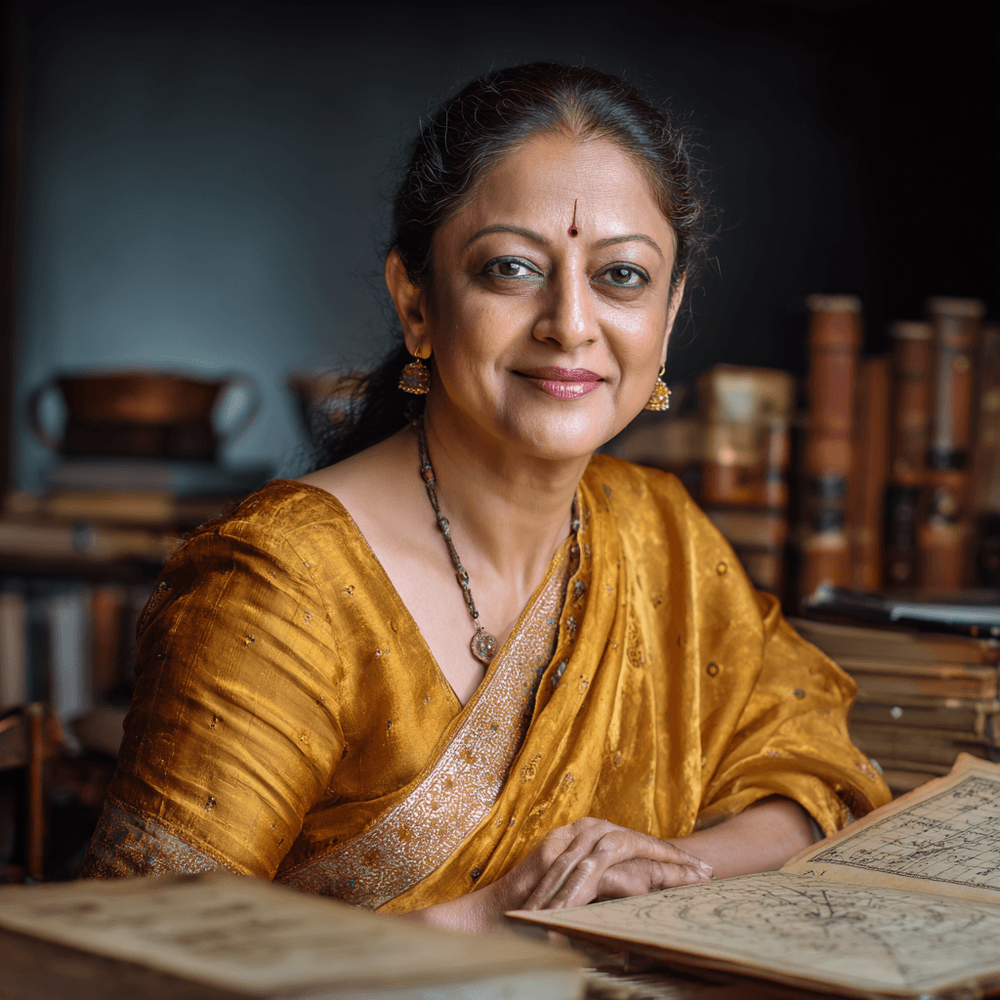
Dr. Meenakshi Sharma
PhD in Vedic Astrology, 20+ Years Experience
Dr. Meenakshi Sharma is a distinguished Vedic astrologer with a PhD in Vedic Astrology and over 20 years of professional experience in the ancient science of Jyotisha. Her extensive practice encompasses thousands of chart readings, predictive analyses, and remedial consultations, making her uniquely qualified to bridge traditional Vedic wisdom with contemporary applications. As a contributing writer for AstroSight, Dr. Sharma specializes in natal chart analysis, predictive astrology, and Vedic remedial measures, sharing her deep knowledge through insightful articles that make complex astrological concepts accessible to practitioners at all levels. Her approach combines rigorous academic training with ethical consultation standards, empowering clients through education and practical guidance while maintaining authentic adherence to classical Vedic principles.