

\"Discover Auspicious Timing for Your Region\"
India's calendrical heritage represents one of the world's most sophisticated systems for tracking time. The term Panchanga derives from "pancha" (five) and "anga" (limb), referring to the five essential elements documented in texts like the Surya Siddhanta. However, calculation methods vary signifi
India's calendrical heritage represents one of the world's most sophisticated systems for tracking time. The term Panchanga derives from "pancha" (five) and "anga" (limb), referring to the five essential elements documented in texts like the Surya Siddhanta. However, calculation methods vary significantly across India's diverse regional traditions.
Understanding these variations matters for practical reasons. Festival dates, auspicious muhurtas, and daily panchanga readings differ between systems. Using a birth chart calculator requires knowing which panchanga tradition applies to your analysis.
What Are the Five Elements of Panchanga?
The Surya Siddhanta and Brihat Samhita establish the five universal Panchanga elements providing necessary foundation.
1. Tithi (Lunar Day):
The Muhurta Chintamani explains that tithi represents the angular relationship between Sun and Moon. Each 12-degree gain of the Moon over the Sun constitutes one tithi. A lunar month contains 30 tithis.
2. Vara (Weekday):
The Brihat Samhita describes the seven-day week with each day ruled by a planet, cycling from Sunday (Sun) through Saturday (Saturn).
3. Nakshatra (Lunar Mansion):
The Brihat Parashara Hora Shastra explains that 27 nakshatras divide the zodiac into segments. Check your nakshatra using the nakshatra calculator.
4. Yoga (Planetary Combination):
The Muhurta Chintamani describes 27 yogas calculated from combined Sun and Moon longitudes, carrying distinct qualities.
5. Karana (Half-Tithi):
The Brihat Samhita notes that each tithi contains two karanas, creating 60 karanas per lunar month.
What Is the Difference Between Lunar and Solar Calendars?
The Surya Siddhanta establishes the fundamental division between lunar-based and solar-based calculations.
Lunar (Chandra) Calendar:
The Muhurta Chintamani explains months based on Moon's cycle around Earth. Each month begins with new Moon (Amanta) or full Moon (Purnimanta). Primarily used in North India, Maharashtra, Gujarat.
Solar (Saura) Calendar:
The Surya Siddhanta describes months based on Sun's movement through zodiac signs. Each month begins when Sun enters a new sign. Primarily used in South India, Bengal, Assam, Odisha.
Lunisolar Calendar:
The Brihat Samhita notes that most Hindu religious observances use lunisolar timing, combining lunar months adjusted to solar year through leap months.
---
Get Your Personalized Muhurta Analysis
title: "Discover Auspicious Timing for Your Region" text: "Get muhurta guidance tailored to your regional Panchanga tradition with analysis of all five elements for important decisions." buttonText: "Get Your Career Report" buttonLink: "/lp/career-report-bundle-jan" style: "Prominent"
---
How Do North Indian Panchanga Systems Work?
The Surya Siddhanta forms the basis for North Indian traditions using lunar-based calendars.
Vikram Samvat:
The most widely used calendar in North India, named after King Vikramaditya. The Muhurta Chintamani principles guide its application in Gujarat, Rajasthan, Madhya Pradesh, Uttar Pradesh, and Bihar.
Purnimant vs Amant:
The Brihat Samhita distinguishes: 1. Purnimant System: Month ends on full Moon—used in North India beyond Gujarat 2. Amant System: Month ends on new Moon—used in Gujarat and South India
How Do South Indian Panchanga Systems Differ?
The Surya Siddhanta's solar calculations form the basis for South Indian traditions.
Tamil Calendar:
The Brihat Samhita's principles inform this purely solar calendar, with months beginning when Sun enters each zodiac sign.
Malayalam Calendar (Kolla Varsham):
Solar calendar used in Kerala. The Muhurta Chintamani principles apply with regional adaptations.
Telugu Calendar:
The Surya Siddhanta's lunisolar elements inform this system following Chandramana (lunar) for months aligned with solar year.
Why Do Festival Dates Differ Across Regions?
The Muhurta Chintamani acknowledges that different calendar systems create apparent discrepancies.
Same Festival, Different Dates:
The Brihat Samhita explains that festivals based on tithis may fall on different calendar dates due to Purnimant vs. Amant differences.
Regional Festival Variations:
The Surya Siddhanta's calculations inform regional observances like Pongal (Tamil), Onam (Malayalam), and Bihu (Assamese).
How Should Astrologers Handle Multiple Systems?
The Brihat Parashara Hora Shastra principles apply regardless of regional system.
Client's Regional Background:
The Muhurta Chintamani recommends following the client's family tradition—Tamil clients use Tamil panchanga; Gujarati clients follow Vikram Samvat with Amant system.
Consistency Within Analysis:
The Surya Siddhanta emphasizes choosing one system and applying it consistently. Check your daily horoscope using appropriate regional settings.
Universal Elements:
The Brihat Samhita confirms that regardless of calendar system, nakshatra positions and planetary positions remain identical.
What Role Does Panchanga Play in Daily Astrological Practice?
The Surya Siddhanta establishes Panchanga as the foundation for daily astrological guidance, extending far beyond calendar management into practical life applications.
Daily Panchanga Reading: The Muhurta Chintamani teaches that consulting the day's Panchanga before important activities provides valuable guidance. Each day's combination of Tithi, Vara, Nakshatra, Yoga, and Karana creates a unique energetic signature. Professional astrologers routinely consult Panchanga before advising clients on timing for major decisions.
Horoscope Integration: The Brihat Parashara Hora Shastra explains how Panchanga elements interact with individual birth charts. Your personal dasha period combined with the day's Panchanga elements determines how cosmic energies specifically affect you. This explains why the same day can be favorable for one person and challenging for another—their individual charts filter universal Panchanga energies differently.
Marriage Timing: The Muhurta Chintamani provides extensive Panchanga-based guidelines for selecting wedding dates. Beyond avoiding inauspicious elements, expert muhurta selection considers the bride and groom's individual charts in relation to each Panchanga element. The Brihat Samhita notes that proper Panchanga matching for marriages traditionally involves checking compatibility across all five elements.
Business and Career: The Surya Siddhanta's principles inform commercial timing decisions. Launching businesses, signing contracts, or beginning new ventures during favorable Panchanga combinations has been traditional practice for centuries. Modern practitioners apply these same principles to corporate decisions, investment timing, and career transitions.
Health and Healing: The Muhurta Chintamani connects specific Panchanga elements with healing activities. Beginning Ayurvedic treatments, surgery scheduling (where choice exists), and starting health regimens all benefit from favorable Panchanga alignment. The Brihat Samhita particularly notes the importance of Nakshatra selection for beginning medical procedures.
How Has Panchanga Evolved in the Modern Era?
The traditional Panchanga system documented in the Surya Siddhanta continues evolving to remain relevant in contemporary life while preserving classical foundations.
Digital Panchanga: Modern software applications calculate Panchanga elements with astronomical precision exceeding traditional manual methods. The Muhurta Chintamani's principles translate seamlessly into digital formats, making Panchanga consultation accessible worldwide rather than requiring proximity to local pandits or almanac publishers.
Scientific Validation: The Surya Siddhanta's astronomical calculations have been validated by modern observational astronomy. The lunar-solar relationships underlying Tithi calculation, the precision of Nakshatra positions, and the mathematical elegance of Yoga calculations all demonstrate sophisticated astronomical understanding embedded in classical texts.
Cross-Cultural Adaptation: The Brihat Samhita's principles have found application among diaspora communities worldwide. Indian families in America, Europe, and elsewhere maintain Panchanga observance using their regional traditions, often reconciling solar calendar work schedules with traditional Panchanga-based observances.
Interfaith Relevance: The Muhurta Chintamani's timing principles have universal applicability. While rooted in Vedic tradition, the astronomical foundations—lunar phases, solar position, stellar movements—operate regardless of religious context. Some practitioners apply Panchanga timing principles to secular activities without religious framing.
Check your daily horoscope for current Panchanga conditions relevant to your chart.
How Do Leap Months (Adhik Maas) Work?
The Surya Siddhanta explains how lunar calendars require periodic adjustment.
Why Adhik Maas Is Needed:
The Muhurta Chintamani notes that the lunar year falls about 11 days short of the solar year. An extra month is inserted approximately every 32-33 months.
Astrological Significance:
The Brihat Samhita identifies Adhik Maas as inauspicious for major ceremonies but auspicious for spiritual practices and charitable donations.
---
Key Links
linkHeading: "Explore AstroSight Services" links: 1. Check Your Daily Horoscope 2. Calculate Your Nakshatra 3. Get Your Birth Chart
---
India's diverse Panchanga systems reflect rich regional traditions while sharing the common foundation of five essential elements from the Surya Siddhanta and related classical texts.
General Predictions vs Personal Forecasts
General predictions give a glimpse. Your personalized career forecast provides a 24-month roadmap with specific timing for major decisions.
Get Your Career ReportPersonalized Report
Career Report Bundle
Get your personalised predictions based on your exact chart — not generic sun sign forecasts
- Personalized analysis based on YOUR exact birth chart
- Expert-prepared by Dr. Meenakshi Sharma
- Delivered as PDF within 24-48 hours
- Unlimited follow-up clarifications
By Dr. Meenakshi Sharma · Delivered in 24-48 hours
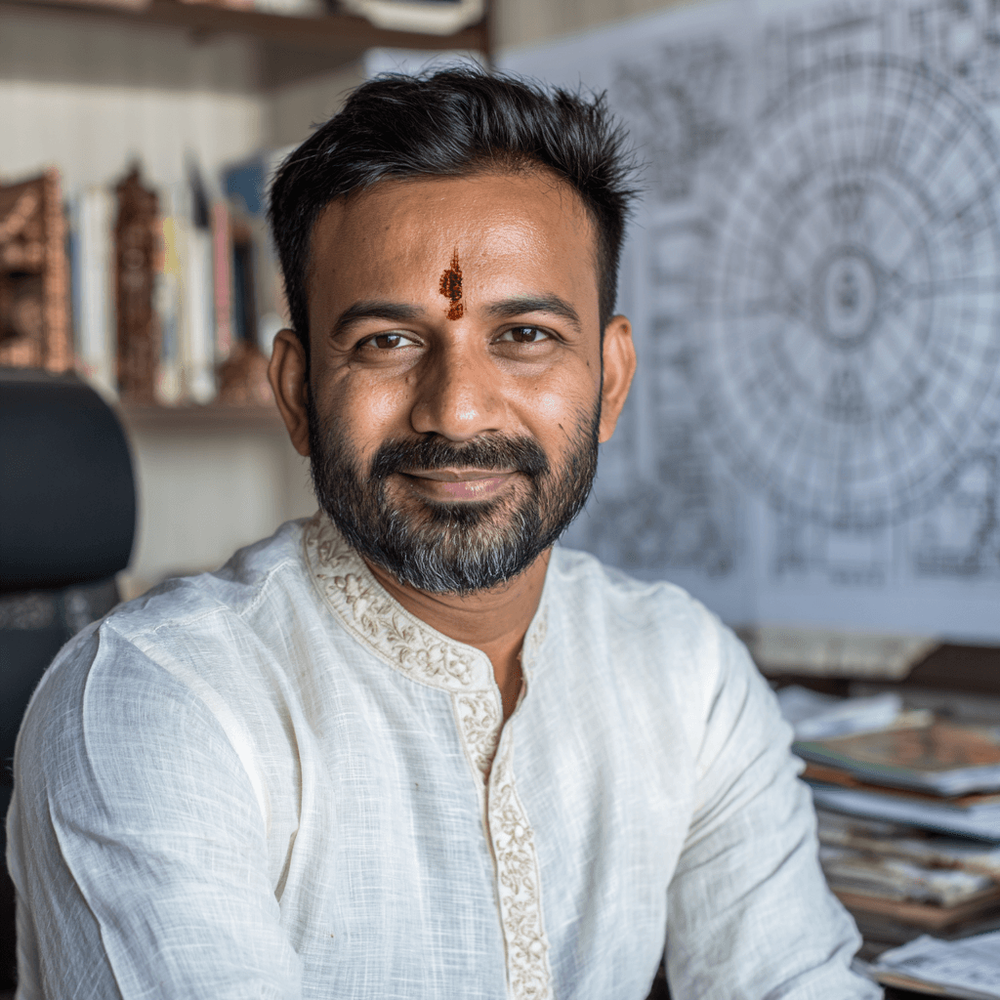
Shri Ankit Bansal
Vedic Astrologer · Numerology and Vastu Expert, 15+ Years
Shri Ankit Bansal is a renowned numerology and Vastu expert with over 15 years of specialized experience in these ancient Indian sciences. His extensive practice encompasses thousands of consultations in numerological analysis, name corrections, business numerology, and comprehensive Vastu assessments for residential and commercial properties. As a contributing writer for AstroSight, Shri Bansal combines his deep understanding of numerical vibrations with practical Vastu principles to provide holistic solutions that harmonize living and working spaces with cosmic energies. His expertise spans personal numerology charts, business name analysis, property Vastu audits, and remedial measures that blend traditional wisdom with modern lifestyle requirements. Through his methodical approach and proven track record, Shri Bansal has established himself as a trusted authority in helping clients optimize their environment and numerical influences for enhanced prosperity, health, and overall well-being.


