
Raksha Bandhan 2026 — Date, Muhurat & Rakhi Tying Time
Raksha Bandhan 2026 is August 28 (Friday). Rakhi muhurat: 05:57–09:48 IST — Bhadra-free morning. Complete guide to Raksha Bandhan 2026 date, Bhadra kaal,...
Raksha Bandhan 2026 falls on Friday, August 28, 2026 — Shravan Purnima, the full moon of the monsoon month of Shravan. Sisters tie the rakhi (protective thread) on their brothers' right wrists, and brothers pledge protection. The Bhadra-free muhurat is 05:57 to 09:48 IST on August 28 — a nearly four-hour morning window. In 2026 Bhadra ends before sunrise, so the morning is fully clear until the Purnima tithi itself ends at 09:48 AM. Rakhis tied within this window carry the full protective power of Shravan Purnima.
Raksha Bandhan 2026 falls on a Friday — Venus's day. Venus represents relationships, affection, and family bonds. A Friday Shravan Purnima is considered especially auspicious for sibling rituals: the Moon's full power at Purnima combined with Venus's relational energy creates an ideal field for the protective rakhi bond.
Reviewed by Dr. Meenakshi Sharma, M.A. Sanskrit & Vedic Studies, Varanasi, with 20+ years of practice in Vedic festival traditions.
Understand how Venus and the Moon's placement in your chart affect family and sibling bonds with the free birth chart calculator.
When Is Raksha Bandhan in 2026?
Raksha Bandhan 2026 is on Friday, August 28 — Shravan Purnima. The Bhadra period (an inauspicious sub-period of the Purnima tithi) ends before sunrise this year. The rakhi-tying muhurat opens at 05:57 IST and remains open until 09:48 IST, when the Purnima tithi ends — a morning festival in 2026.
Year | Date | Day | Rakhi Muhurat (New Delhi)
- 2024 | August 19 | Monday | 13:31–21:14 IST
- 2025 | August 9 | Saturday | 14:14–21:16 IST
- 2026 | August 28 | Friday | 05:57–09:48 IST
- 2027 | August 28 | Saturday | 13:45–21:12 IST
What Is the Bhadra Kaal on Raksha Bandhan 2026?
Bhadra (Vishti Karana) is a period within each tithi considered inauspicious for rituals. On Shravan Purnima 2026, Bhadra ends before sunrise, leaving the morning fully clear. Rakhi must not be tied during Bhadra.
The Skanda Purana specifically warns against tying rakhi during Bhadra — the protection offered is weakened. The 05:57–09:48 IST window on August 28 is fully Bhadra-free and auspicious for the complete rakhi ceremony — note that Purnima ends at 09:48 AM, so the ceremony belongs to the morning this year.
Raksha Bandhan 2026 Muhurat by City
City | Muhurat Start (Bhadra End) | Muhurat End
- New Delhi | 05:57 IST | 09:48 IST
- The Bhadra end and Purnima end are the same moment across India; only sunrise shifts slightly — verify your city at drikpanchang.com.
Muhurat start (Bhadra end) is effectively uniform. End times vary by local Purnima tithi conclusion. Verify at drikpanchang.com.
What Is the Significance of Raksha Bandhan?
Raksha Bandhan means "bond of protection" — raksha (protection) + bandhan (bond/tie). The festival has three classical origin stories:
The Mahabharata story: When Draupadi tore a strip from her sari and tied it on Krishna's wounded finger, Krishna pledged protection in return. This pledge was fulfilled when he saved her honor at Hastinapura's court — establishing rakhi as a bond that obligates the receiver to protect the giver.
The Indra story: The Bhavishya Purana records Indra's wife Shachi tying a protective thread on Indra's wrist before his battle with the demon Vritra. Indra won — making this the original rakhi as protective amulet before battle.
The historical tradition: Rani Karnavati of Mewar sent a rakhi to Emperor Humayun asking for protection against Bahadur Shah. Humayun, honoring the rakhi, marched to her aid — establishing the thread's power to create protective bonds across religious and political boundaries.
How Is the Raksha Bandhan Puja Performed in 2026?
The traditional ceremony within the morning window (05:57–09:48 IST) on August 28:
1. Prepare a puja thali: a lit diya, kumkum (red), akshat (whole rice), rakhi thread, sweets, and a small amount of water 2. Sister performs aarti (circular lamp motion) before her brother — purifying his aura before the ritual 3. Sister applies tilak (kumkum + akshat) on the brother's forehead 4. Sister ties the rakhi on the brother's right wrist while reciting: "Yena baddho Bali Raja Daanavendro Mahaabalah; Tena twaam anubadhnami Rakshe maa chala maa chala" ("The same bond with which King Bali — lord of generosity — was bound, with that I bind you. O protection, do not waver.") 5. Brother gives a gift (typically cash or a present) and pledges protection 6. Both share the sweets from the puja thali
What Is the Astrological Significance of Shravan Purnima?
Shravan Purnima places the Moon in its maximum power (Purnima) in the monsoon month ruled by Vishnu. The full Moon in Shravan illuminates after monsoon rains — historically the time when Vedic students completed summer studies and reaffirmed their teacher bonds. In Jyotish, the Moon transits near Shravana nakshatra (the 22nd nakshatra, meaning "hearing," associated with Vishnu and preservation) — aligning perfectly with rakhi's theme of preserving sibling bonds.
Check your Moon's nakshatra placement with the birth chart calculator to understand how Shravan Purnima 2026 activates your personal bond and relationship houses.
What Gifts Are Traditionally Given on Raksha Bandhan 2026?
Traditional and modern gifts for brothers to give sisters:
- Gold or silver jewellery: The most traditional gift — gold represents the Sun (brother's protective energy) safeguarding the Moon (sister's receptive energy)
- Cash (Shagun): A meaningful amount as token of the protective pledge
- Clothing: Sarees, salwar kameez, or silk dupattas traditionally gifted
- Electronics: Phones, earbuds, and similar gifts in modern practice
- Sweet boxes: Mithai and chocolates accompany all other gifts
Sisters traditionally prepare or buy the rakhi — from simple cotton thread with a small amulet to elaborate silk rakhis with gold and silver ornaments.
What Should Be Done If a Brother Cannot Be Present on Raksha Bandhan?
Sisters can mail or courier the rakhi to arrive by August 28 and perform the tilak and mantra ceremony over video call at the moment of tying. The intention and the mantra carry the protective bond even at a distance. Alternatively, a male relative (father, uncle, cousin) may substitute for an absent brother — the rakhi's protective bond extends to any male who accepts it.
What Is the Rakhi Purnima Tradition for Brahmins?
Shravan Purnima is also Rakhi Purnima for the Brahmin community — the day when Brahmin men change their sacred thread (Yagnopavita). The old thread is immersed in a river and a new one worn. This ceremony (Upakarma) is called Avani Avittam in Tamil Nadu and Shravani Upakarma in Karnataka and Andhra Pradesh — the annual renewal of the Vedic student-teacher bond, parallel to the sibling-bond renewal of Raksha Bandhan.
How Is Raksha Bandhan Celebrated Differently Across India?
Regional variations:
- North India (UP, Bihar, Rajasthan): The full rakhi ceremony with puja thali, tilak, sweets, and gifts — the classic form described above
- Maharashtra: Narali Purnima — coconuts are offered to the sea on this day by fishing communities; Shravan Purnima is the day the sea is thanked for its protection through the year
- Gujarat: Pavitropana Purnima — special puja for Lord Shiva with gold and silver ornaments (pavitras) offered to the Shiva Linga
- Bengal: Jhulan Yatra (Krishna's swing festival) runs through Shravan Purnima — rakhi is secondary to the Krishna celebration
- South India: The Upakarma (sacred thread renewal) dominates; rakhi is observed within families but is not the primary public festival
Is Raksha Bandhan 2026 a Public Holiday?
Raksha Bandhan is a gazetted public holiday in Uttar Pradesh, Madhya Pradesh, Rajasthan, and Uttarakhand. It is a restricted (optional) holiday in most other states. Schools across North India are closed. In states where it is not gazetted, many employers grant half-day flexibility for employees with sibling commitments.
Get Your Complete Birth Chart Reading
Stop reading generic advice. Get a complete Vedic astrology analysis of your life path, timing and remedies based on your exact birth chart.
Get Your JanampatriFrequently Asked Questions
Raksha Bandhan 2026 is on Friday, August 28, 2026. The auspicious rakhi-tying muhurat is 05:57 to 09:48 IST — Bhadra ends before sunrise, and the Purnima tithi ends at 09:48 AM.
In 2026 Bhadra ends before sunrise, so the morning of August 28 is fully clear. Tie the rakhi between 05:57 and 09:48 IST — after 09:48 AM the Purnima tithi has ended.
"Yena baddho Bali Raja Daanavendro Mahaabalah; Tena twaam anubadhnami Rakshe maa chala maa chala" — "The same bond that bound King Bali, the great king, with that I bind you. O protection, do not waver."
Classical texts do not recommend tying rakhi before Shravan Purnima begins — the thread's protective power is linked to the Purnima tithi. In 2026, the muhurat is the 05:57–09:48 IST morning window; tie the rakhi within it rather than the day before.
The right wrist (dakshina hasta) is the hand of action and dharmic activity. Tying the protective thread here means the brother's actions — everything done with the right hand — are pledged to his sister's welfare.
Regional and textual traditions allow the rakhi ritual between female cousins (as protective bonds between sisters), or between close female friends as mutual pledges of support. The festival's core is the protective bond — not exclusively biological brother-sister pairs.
Sweets are central — ghewar (Rajasthan), modak (Maharashtra), barfi, and ladoo are traditional. The puja thali must have sweets for the ceremony; they are shared as prasad afterward.
Friday is ruled by Venus — the planet of love, relationships, and beauty. Venus governs family bonds, affection, and the exchange of care. A Friday Shravan Purnima amplifies the relational and emotional quality of the rakhi bond.
Red is the traditional color — associated with protection, Mars (bravery), and auspiciousness. Gold thread is considered the most auspicious for permanent bonds. Modern rakhis use all colors, but red and gold threads are classical.
Purnima (full moon) represents the Moon at its most complete — maximum light, maximum emotional and relational energy. Shravan Purnima creates the ideal energetic field for sibling bond renewal: the Moon's nourishing and protective qualities are fully expressed, making the protective pledge made on this day particularly powerful.
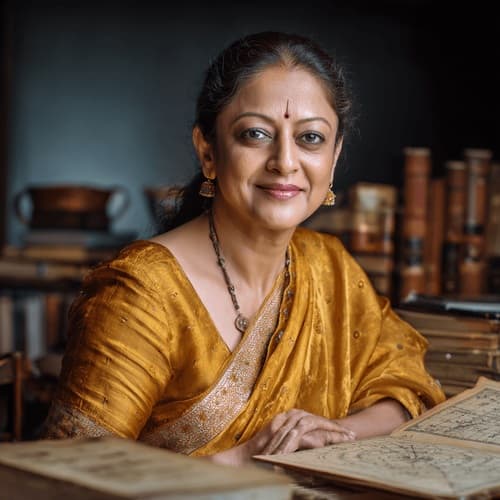
Dr. Meenakshi Sharma
PhD in Vedic Astrology • 20+ Years Experience
Distinguished Vedic astrologer specializing in natal chart analysis, predictive astrology, and Vedic remedial measures. Trusted by thousands for accurate Raksha Bandhan 2026 — Date, Muhurat & Rakhi Tying Time interpretations.