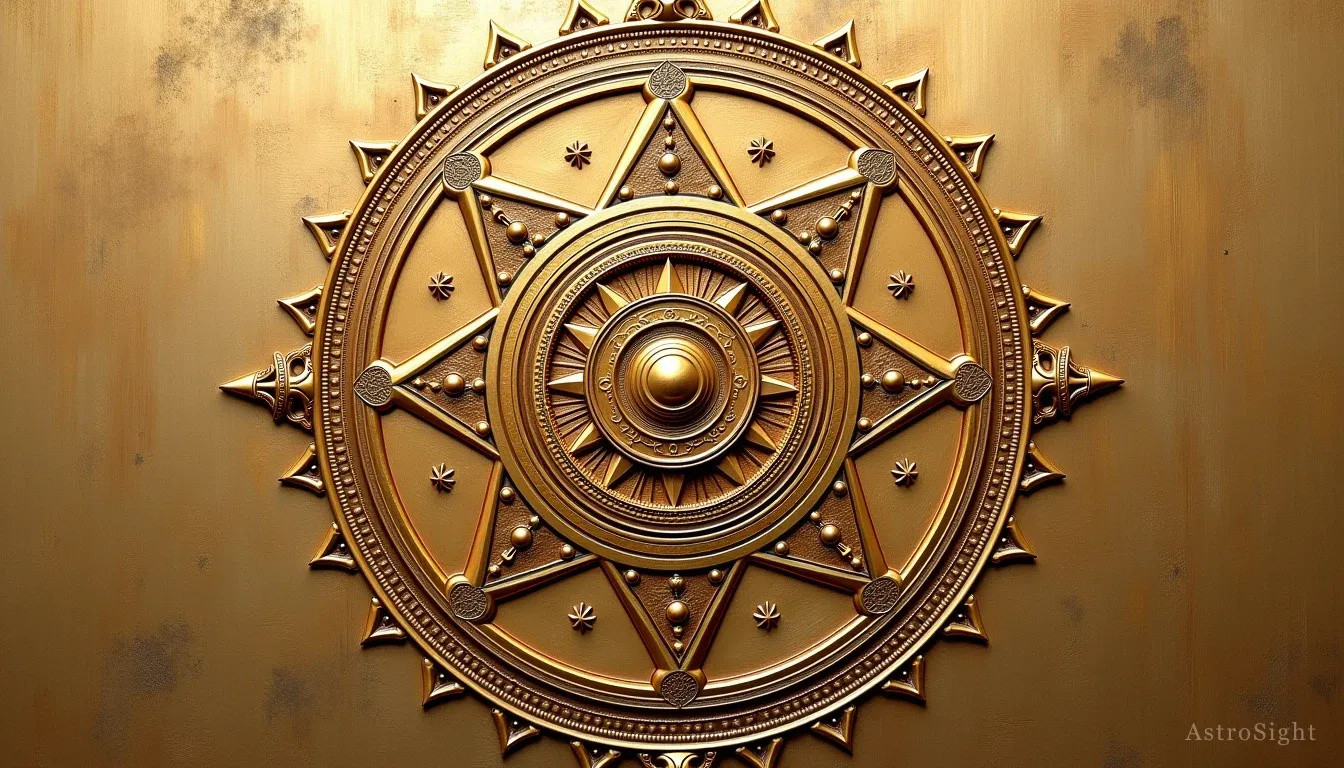
Mahamrityunjay Yantra Health Benefits: Healing Guide

The Mahamrityunjay Yantra channels Lord Shiva's healing energy for health protection, recovery from illness, and vital strength. Classical texts describe it as the supreme yantra for conquering disease and fear of death.
What Is the Mahamrityunjay Yantra and How Does It Promote Healing?
The Mahamrityunjay Yantra is a sacred geometric representation of Lord Shiva's death-conquering (Mrityunjay) form. According to the Yantra Chintamani, this yantra embodies the most potent healing energy available in the Vedic tradition. The term "Mahamrityunjay" translates as "Great Victory Over Death"—encompassing not merely physical death, but all forms of suffering, disease, and decay.
In my years of guiding individuals through health crises, I have observed that those who incorporate Mahamrityunjay worship alongside medical treatment often report a profound sense of inner peace and support. The yantra does not promise miraculous cures—rather, it creates optimal conditions for healing by addressing the subtle dimensions of illness that physical medicine cannot reach.
Understanding the Healing Mechanism
Unlike curative approaches that target specific diseases, the Mahamrityunjay Yantra works holistically through several mechanisms as described in classical texts:
- Strengthening Prana (life force) — The yantra enhances the vital energy that maintains all body systems
- Removing obstacles to healing — It clears karmic and subtle-body blockages that may impede recovery
- Invoking divine grace — It connects the devotee with Shiva's regenerative power
- Balancing the doshas — It supports the Ayurvedic humors that govern health
Scriptural Foundation
The Mahamrityunjay Mantra appears in the Rig Veda (7.59.12), making it among the oldest known healing prayers in human history. According to the Shiva Purana, the sage Markandeya chanted this mantra to overcome his destined death at age sixteen, ultimately living to become an immortal sage. This account illustrates the mantra's profound connection to life-extension and healing.
The yantra serves as a physical focus for this mantra's energy. As the Mantra Mahodadhi explains, a properly consecrated yantra holds the mantra's vibration continuously, creating a reservoir of healing energy that the devotee can access through worship.
The Yantra's Geometric Elements
Each element of the Mahamrityunjay Yantra carries specific healing significance:
- Central bindu — Represents Shiva's concentrated healing presence
- Trikona (triangle) — Embodies Iccha (will), Jnana (knowledge), and Kriya (action) shaktis
- Lotus petals — Symbolize life energy radiating outward
- Outer square (Bhupura) — Grounds healing energy in physical health
Who Should Use the Mahamrityunjay Yantra for Health Support?
While anyone can benefit from this yantra's health-enhancing properties, certain individuals find it particularly valuable based on their circumstances and astrological configurations.
Ideal Candidates for Mahamrityunjay Worship
- Patients with chronic illness — When standard treatment provides management but not cure
- Those recovering from surgery — For post-operative healing support
- Cancer patients — As supportive care alongside conventional treatment
- Accident survivors — For physical and psychological healing
- Individuals with weak constitution — Those frequently ill or with low immunity
- Elderly seeking vitality — For age-related decline support
- Caretakers of sick family members — Can worship on the patient's behalf
Astrological Indicators for Mahamrityunjay Benefits
From a Jyotish perspective, certain chart configurations particularly benefit from Mahamrityunjay worship. The Brihat Parashara Hora Shastra identifies health vulnerabilities through specific planetary patterns:
- Afflicted sixth house — indicating disease susceptibility
- Malefics in the eighth house — suggesting potential life-threatening situations
- Weak Moon — connected to mental health and immunity challenges
- Saturn-Moon affliction — often correlating with chronic illness patterns
- Running dasha of malefics — indicating temporary health challenges
If you are uncertain about your chart's health indicators, consulting with a qualified Jyotish practitioner can provide personalized guidance. You can begin with our free birth chart calculator to generate your basic chart configuration.
Important Clarification: Complementary, Not Replacement
I must emphasize what classical texts consistently state: the Mahamrityunjay Yantra works alongside medical care, never replacing it. For active medical emergencies, seek professional medical help immediately. The yantra's role is to create supportive spiritual conditions, reduce anxiety about health, and open subtle channels that may enhance the body's response to treatment.
How Do You Properly Install the Mahamrityunjay Yantra?
Proper installation aligns the yantra with Shiva's healing frequency. The Yantra Chintamani provides specific guidelines for consecration that maximize the yantra's effectiveness.
Optimal Timing for Installation
Best days:
- Monday (Somavar) — Shiva's day; ideal for installation
- Trayodashi (13th tithi) — Sacred to Shiva
- Pradosh — Twilight worship days sacred to Shiva
- Maha Shivaratri — The most powerful annual day
Favorable nakshatras: Ardra (ruled by Rudra, Shiva's fierce form), Punarvasu (renewal and regeneration), Hasta (healing hands), and Mrigashira (Lord Shiva's association).
Placement Location
- Patient's bedroom — For chronically ill persons
- Puja room — For general family health protection
- East or north wall — Preferred directions according to Vastu
- Height — Four to five feet from floor, at eye level when seated
Essential Materials for Installation
- Mahamrityunjay Yantra (copper or silver based on availability)
- Gangajal and Panchamrit
- Bilva (bael) leaves — essential for Shiva worship
- White flowers
- Ghee lamp and sandalwood incense
- Rudraksha mala
- Raw milk for abhishekam
- Vibhuti (sacred ash)
Step-by-Step Installation Process
Phase 1: Preparation
Clean the installation space thoroughly. Bathe with Gangajal added to water. Wear clean white clothes and fast until after installation (or consume only light sattvic food).
Phase 2: Yantra Purification
Sprinkle Gangajal while chanting "Om Gam Ganapataye Namaha" three times. Pour raw milk over the yantra while chanting "Om Namah Shivaya" eleven times. Apply panchamrit, then rinse with pure water and dry with a soft white cloth.
Phase 3: Prana Pratishtha (Energization)
Light the ghee lamp and sandalwood incense. Offer bilva leaves (traditionally three leaves joined as a trifoliate) and white flowers. Apply vibhuti to the central bindu and sandalwood paste.
Chant the Mahamrityunjay Mantra 108 times:
"Om Tryambakam Yajamahe Sugandhim Pushtivardhanam, Urvarukamiva Bandhanan Mrityor Mukshiya Maamritat"
Translation: "We worship the three-eyed One (Shiva), who is fragrant and nourishes all beings. May He liberate us from death, for the sake of immortality, even as a cucumber is severed from its bondage to the creeper."
During chanting, visualize healing light emanating from the yantra, entering the body of the person seeking health, dissolving disease, and strengthening the life force.
Phase 4: Completion
Offer milk as naivedya, perform aarti with camphor, and apply vibhuti to your forehead from the yantra. If installing for someone else, keep their photo near the yantra and state their name during the sankalpa (intention).
Understand Your Health Indicators
Your birth chart reveals important health patterns and favorable periods for healing practices. Get personalized analysis of your planetary configurations and their connection to wellness.
Get Your Personalized ReportWhat Is the Daily Worship Routine for Health Benefits?
Consistent daily practice builds healing momentum over time. The Mantra Mahodadhi emphasizes that regular, sincere worship—even brief—generates greater results than occasional elaborate ceremonies.
Morning Routine (10-15 Minutes)
- After bathing (or bed bath for bedridden patients)
- Light ghee lamp and incense at the yantra
- Offer fresh bilva leaves if available, or a single tulsi leaf
- Offer fresh water
- Chant Mahamrityunjay Mantra: minimum 27 times for serious illness, 108 times for standard health maintenance
- Sit quietly visualizing healing light
- Apply vibhuti from altar to forehead, throat, and heart
For Caretakers Worshipping on Patient's Behalf
Follow the same routine as above, keeping the patient's photograph before the yantra. Visualize healing light reaching the patient during mantra chanting. After worship, bring vibhuti to apply on the patient while speaking healing affirmations.
Monday Intensive Practice
Monday is Shiva's day, making it particularly potent for Mahamrityunjay worship. Enhanced Monday practice includes:
- Fasting or fruit-only diet
- Extended mantra chanting (108-324 repetitions)
- Bilva patra offering (minimum eleven leaves)
- Raw milk abhishekam to yantra
- Longer meditation period
- Charity to those in need
During Health Crisis
If the patient's condition worsens, traditional practice recommends increasing to 1,008 mantras daily. Multiple family members can share this count. Add a midnight worship session for additional support. During critical periods, consider engaging a qualified priest to perform Mahamrityunjay Havan.
What Can You Realistically Expect from Mahamrityunjay Worship?
Health benefits manifest progressively with consistent practice. In my experience guiding families through health challenges, I have observed certain patterns, though I must emphasize that individual results vary significantly based on karmic factors, the nature of the illness, and the sincerity of practice.
Phase 1: Stabilization (Days 1-14)
Early signs often include improved sleep quality, reduced anxiety regarding the health condition, and a subtle feeling of support and protection. Many devotees report that their medical treatment plans seem to align more favorably, and that medications are better tolerated with fewer side effects.
Phase 2: Healing Support (Days 14-40)
With continued practice, devotees often experience gradual symptom improvement, enhanced energy levels, and clearer mental state. The classical texts describe this as the life force (prana) becoming stronger and more organized, supporting the body's natural healing mechanisms.
Phase 3: Recovery and Maintenance (Days 40+)
Long-term practitioners often report sustained health improvements, sometimes surprising their physicians. This phase also establishes ongoing protection against future health challenges.
Signs the Practice Is Working
- Dreams featuring Lord Shiva or healing imagery
- Sense of peace regarding health situation
- Physicians making beneficial adjustments to treatment
- Fortunate timing of medical discoveries or appointments
- Others noticing improved appearance or energy
- Intuitive guidance about health choices
Important Understanding
The Mahamrityunjay Yantra supports healing but does not guarantee specific outcomes—no genuine spiritual practice makes such promises. Even when physical healing is not karmically destined, the yantra provides profound benefits: peace with whatever unfolds, reduced fear of death, spiritual preparation, and protection from additional suffering. As the Shiva Purana teaches, Mrityunjay worship benefits the soul regardless of the body's fate.
How Does the Yantra Complement Medical Treatment?
The Mahamrityunjay Yantra works synergistically with conventional medicine rather than replacing it. This integrative approach reflects the traditional understanding that health involves physical, subtle, and karmic dimensions.
Integration at Different Medical Phases
During diagnosis: Worship can help open channels for accurate diagnosis, guiding physicians toward identifying the true nature of illness.
During treatment: The yantra's energy supports the effectiveness of medications and therapies while potentially reducing side effects.
Post-treatment: Practice accelerates recovery and helps prevent recurrence.
Ongoing management: For chronic conditions, regular worship maintains stability and improves quality of life.
Practical Integration Suggestions
- Before medical appointments — Chant 27 mantras seeking divine guidance for your physicians
- Before procedures — Family members can chant during surgery or treatment
- Medication times — Brief mental mantra recitation as medicine is taken
- Hospital stays — Keep a small yantra image near the bed
Supporting Specific Conditions
For cancer treatment: The yantra supports tolerance of chemotherapy and radiation, reduces anxiety about procedures, enhances immune function between treatments, and provides spiritual fortitude for the treatment journey.
For surgery: Pre-operative worship calms the patient and prepares the body. Family worship during the procedure provides energetic support. Post-operative practice accelerates wound healing.
For chronic conditions: Regular practice helps stabilize fluctuating conditions, reduces the frequency of acute episodes, improves response to medications, and supports adherence to lifestyle changes.
Traditional Cautions and Considerations
The Yantra Chintamani provides guidance on maintaining proper practice and avoiding common errors.
Maintaining Practice Integrity
- Consistency matters more than intensity — Daily brief worship surpasses occasional elaborate ceremonies
- Keep the yantra clean — Regular cleaning with milk or water maintains its energy
- Maintain personal purity — Approach worship after bathing and with clean clothes
- Avoid worship during impurity periods — Traditional guidelines suggest pausing during certain times; family members can maintain practice during such periods
When to Seek Additional Guidance
Consider consulting a qualified Jyotish practitioner if your health challenges coincide with major dasha transitions, if you have specific eighth-house afflictions, or if other remedies have not produced expected results. A comprehensive chart analysis can reveal whether additional practices might complement your Mahamrityunjay worship. Our dasha calculator can help you identify your current planetary period.
Explore Astrosight Services
Personalized Report
Career Report Bundle
Your Navamsa and Dashamsha are covered in your Career Report — see your exact vocational path
- Personalized analysis based on YOUR exact birth chart
- Expert-prepared by Dr. Meenakshi Sharma
- Delivered as PDF within 24-48 hours
- Unlimited follow-up clarifications
By Dr. Meenakshi Sharma · Delivered in 24-48 hours

Dr. Meenakshi Sharma
PhD in Vedic Astrology, 20+ Years Experience
18 + Years of Experience
100+ Readers
Dr. Meenakshi Sharma is a distinguished Vedic astrologer with a PhD in Vedic Astrology and over 20 years of professional experience in the ancient science of Jyotisha. Her extensive practice encompasses thousands of chart readings, predictive analyses, and remedial consultations, making her uniquely qualified to bridge traditional Vedic wisdom with contemporary applications. As a contributing writer for AstroSight, Dr. Sharma specializes in natal chart analysis, predictive astrology, and Vedic remedial measures, sharing her deep knowledge through insightful articles that make complex astrological concepts accessible to practitioners at all levels. Her approach combines rigorous academic training with ethical consultation standards, empowering clients through education and practical guidance while maintaining authentic adherence to classical Vedic principles.